
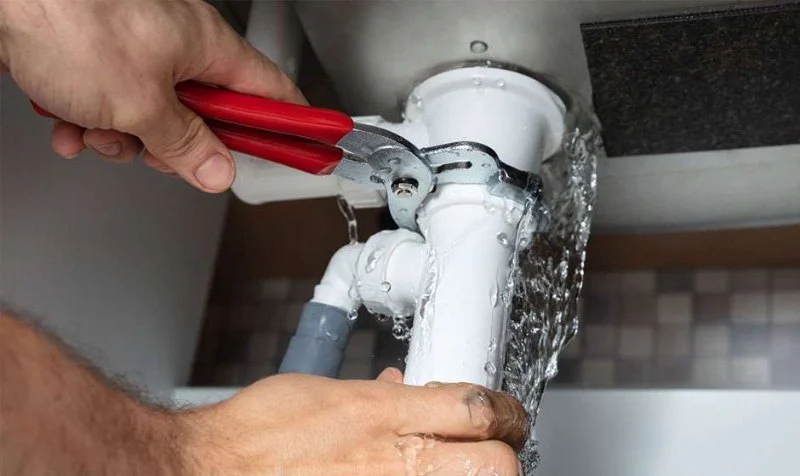
Overview of Common Plumbing Problems
Plumbing issues can lead to costly repairs if not detected early. From leaking pipes to clogged drains, these problems are often easily avoidable with routine maintenance. In this article, we will explore the most common plumbing problems homeowners face and how to detect them early.
Early Signs of Plumbing Issues
Spotting plumbing problems early can save you significant time and money. Here are the key signs that indicate something might be wrong:
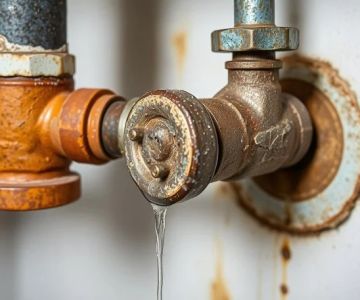
- Leaky Faucets: A small drip can be a sign of worn-out washers or valve issues, which can escalate into bigger problems.
- Low Water Pressure: If the water pressure in your home is suddenly low, it could indicate a hidden leak or a clogged pipe.
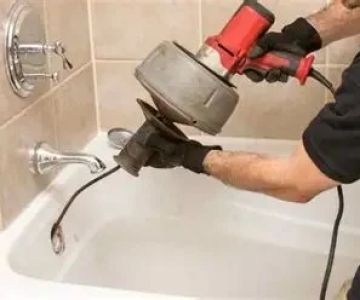
- Slow Draining: Slow drains are often a sign of a clog or a blockage, which, if left untreated, can cause flooding or pipe damage.
- Unpleasant Odors: Foul smells emanating from drains or sinks might be an indication of trapped food, grease buildup, or even a septic tank issue.
Prevention Tips to Avoid Costly Repairs
Preventing plumbing issues before they become major problems is the best way to save on repairs. Here are some simple tips for keeping your plumbing system in top condition:
- Regular Inspections: Hire a professional plumber to perform regular inspections to catch potential issues early.
- Maintain Drains: Avoid pouring grease, oils, or large food scraps down the drain. Use drain guards to prevent hair buildup in bathroom sinks and showers.
- Install Water Softeners: Hard water can cause mineral buildup in pipes, leading to blockages and leaks. Installing a water softener can help prevent this.
- Fix Leaks Immediately: A leaky faucet may seem like a minor issue, but left unchecked, it can lead to water damage and higher water bills.
How to Inspect Your Plumbing System
Conducting regular plumbing inspections can help you catch problems before they escalate. Here’s how to do a basic inspection of your plumbing system:
- Check for Visible Leaks: Inspect your kitchen and bathroom pipes for any visible signs of leaks or water stains.
- Inspect Toilets: Check for running toilets, which can waste a significant amount of water.
- Examine Water Heater: Look for signs of corrosion or leaks around the water heater. Ensure that the temperature is set correctly to prevent excess wear.
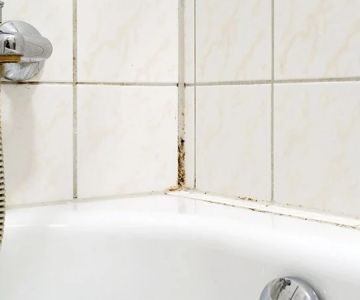
- Look Under Sinks: Check the area under sinks for any signs of mold or water damage, which can indicate slow leaks.
Real-Life Examples of Plumbing Issues and Savings
Understanding how early detection can save you money is crucial. Let’s look at a couple of real-life examples:
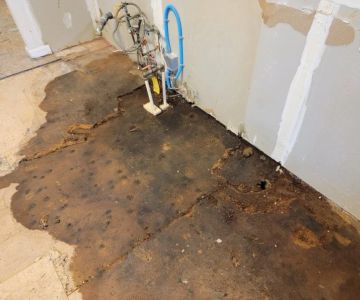
- Case Study 1: A homeowner in Texas noticed their water bill was rising unexpectedly. Upon investigation, a small leak was found under the sink, saving them from a costly water damage repair.
- Case Study 2: In Florida, a clogged drain caused a backup that led to water damage. If the homeowner had noticed the slow drain earlier, they could have avoided the $2,000 repair bill.
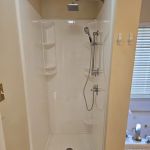 Bizzy B Plumbing4.0 (101 reviews)
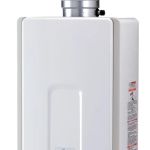 Tankless Water Heater Repair and Plumbing5.0 (4 reviews)
 Gamble's Plumbing3.0 (2 reviews)
 Randall Webb Plumbing Inc4.0 (4 reviews)
 100 Percent Plumbing - Nashville5.0 (167 reviews)
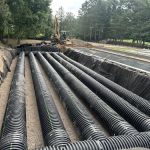 Capra's Utilities Inc4.0 (41 reviews)
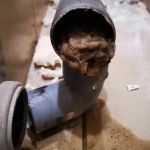 Why Your Sewer Line Is Clogged and How to Fix It
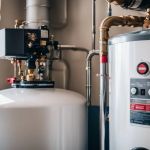 The Best Plumbing Practices to Follow When Installing a New Water Heater
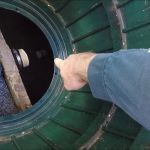 How to Clean Out a Septic Tank Filter Safely: Step-by-Step Guide
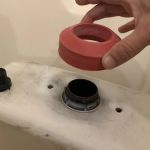 How to Replace the Gasket on Your Toilet Tank and Prevent Leaks
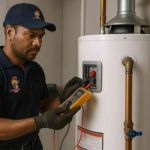 How to Troubleshoot a Water Heater That’s Not Heating Properly
 What to Do When Your Sink Leaks Only at the Base: Causes & Fixes