
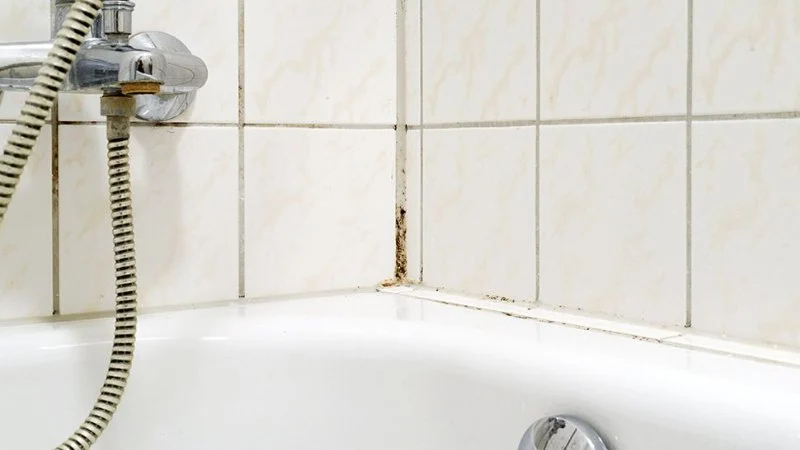
What to Do if You Discover Mold in Your Bathroom Due to Plumbing Leaks
Discovering mold in your bathroom can be alarming, especially if you suspect it's caused by plumbing leaks. Mold thrives in damp environments, and bathrooms provide the perfect breeding ground. When combined with a plumbing issue, mold can spread quickly and cause significant damage to your walls, floors, and health. In this guide, we’ll explore how to identify the problem, take immediate action, and prevent future mold growth caused by plumbing leaks.

Understanding the Link Between Plumbing Leaks and Mold
Mold is a type of fungus that grows in moist conditions, and it often develops in hidden or hard-to-reach areas like behind walls, under sinks, or near shower fixtures. Plumbing leaks provide the perfect conditions for mold to grow. Here’s how:
- Constant Moisture – A leaky pipe or fixture introduces a constant source of moisture that molds love. Even small, slow leaks can lead to mold growth if not addressed quickly.
- Hidden Leaks – Plumbing leaks are not always visible. Often, the water seeps into the walls or floors before it’s noticed, giving mold time to grow undetected.
- Warm, Damp Conditions – Bathrooms are naturally humid, especially after showers and baths. Combined with a plumbing leak, the warm, moist air creates a perfect environment for mold to thrive.
How to Identify Mold in Your Bathroom
If you suspect that plumbing leaks are causing mold in your bathroom, it’s important to know what to look for. Here are common signs of mold and water damage:
- Musty Odor – One of the first signs of mold is a musty or earthy smell in your bathroom. This odor is often the result of mold growing in hidden areas, such as behind tiles or under the sink.
- Visible Mold Growth – Mold appears as black, green, or white spots on walls, floors, or ceilings. It may also grow around faucets, pipes, or along the grout lines of tiles.
- Discoloration or Stains – Water stains or discoloration on walls, ceilings, or around fixtures can indicate that a plumbing leak has been present for some time. This can lead to mold growth if not addressed.
- Peeling or Bubbling Paint – If the paint on your walls or ceiling is peeling, bubbling, or flaking, it could be a sign that moisture has gotten behind the surface, allowing mold to grow.
Steps to Address Mold and Plumbing Leaks
Once you’ve identified mold caused by plumbing leaks, it’s important to take quick action to mitigate the damage. Follow these steps:
- Fix the Plumbing Leak – The first and most critical step is to fix the plumbing leak. Even if you remove the mold, if the leak isn’t repaired, the mold will return. Call a plumber to locate and repair any leaks in your pipes, faucets, or fixtures.
- Remove the Mold – Once the leak is fixed, it’s time to address the mold. For small mold problems, you can clean it yourself using a mixture of water and bleach or a commercial mold cleaner. Wear gloves and a mask to protect yourself from mold spores. If the mold has spread extensively, it’s best to hire a professional mold remediation service.
- Dry the Area Thoroughly – After cleaning the mold, thoroughly dry the affected area. Use fans, dehumidifiers, and open windows to promote air circulation and reduce moisture. Mold thrives in damp environments, so ensuring the area is completely dry is essential to prevent future growth.
- Repair Water-Damaged Surfaces – If the drywall, insulation, or flooring has been damaged by the leak, it may need to be replaced. Water-damaged materials can retain moisture and foster mold growth, even after cleaning.
How to Prevent Future Mold Growth in Your Bathroom
Once you’ve dealt with the immediate mold problem, it’s essential to take steps to prevent it from happening again. Here are some tips to help you maintain a mold-free bathroom:
- Install Proper Ventilation – Use exhaust fans to reduce humidity in the bathroom. Make sure the fan is running during and after showers to remove excess moisture from the air.
- Regularly Inspect Plumbing – Keep an eye on your plumbing and check for leaks regularly. Address any minor issues immediately to prevent water from seeping into walls and causing mold.
- Seal Grout and Caulk – Seal the grout lines and caulk around bathtubs, sinks, and toilets. This helps prevent water from seeping into the walls and causing long-term damage.
- Use Mold-Resistant Materials – Consider using mold-resistant paint or materials for your bathroom walls and floors. This can reduce the likelihood of mold growth in high-moisture areas.
Real-Life Case Example: Resolving a Mold Problem Due to Plumbing Leaks
Consider the case of Jake and Lisa, homeowners who discovered mold in their bathroom after noticing a musty smell. After investigating, they found a slow leak in the pipe behind their shower wall, which had caused water damage and mold growth. They immediately called a plumber to fix the leak, and then used a commercial mold remover to clean the affected area. With the help of a dehumidifier, they dried the area thoroughly and replaced the damaged drywall. By addressing both the leak and the mold, Jake and Lisa were able to prevent further damage and mold growth in their bathroom.
T&J's tri city service
Signal MountainHamilton CountyTennessee
2215 Hollywood Ln, Signal Mountain, TN 37377, USA
Why You Should Choose Professionals for Mold Removal
While minor mold problems can be tackled by homeowners, extensive mold growth due to plumbing leaks should be handled by professionals. Mold remediation experts have the training and equipment to properly remove mold, identify hidden issues, and prevent future growth. They can also assess the full extent of the damage and advise on the best course of action. If you’re unsure about how to handle mold in your bathroom, consider consulting with a professional to ensure your home stays safe and healthy.
If you're dealing with plumbing issues or water damage, visit Reliable Damage Hub for trusted products and services to help you prevent and repair damage caused by leaks and mold.
 Mike Diamond Plumbing, HVAC & Electrical - Inglewood4.0 (46 reviews)
 THE Water Heater Company4.0 (77 reviews)
 Easy Call Plumbing5.0 (1 reviews)
 East End Plumbing4.0 (194 reviews)
 VIP Sewer and Drain Services, Inc4.0 (469 reviews)
 Smith Family Plumbing Inc.5.0 (7 reviews)
 How to Clean Out a Septic Drain Field Safely
 The Best Ways to Keep Your Plumbing System Efficient and Leak-Free
 How to Maintain Your Plumbing to Avoid Future Leaks and Clogs
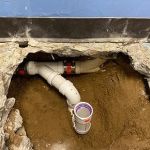 How to Repair a Slab Leak Under the Floor: Step-by-Step Expert Guide
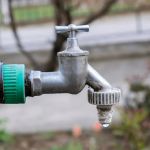 How to Prevent Plumbing Problems in Your Garden and Outdoor Plumbing
 How to Replace a Broken Toilet Bowl: Step-by-Step Guide for Homeowners