
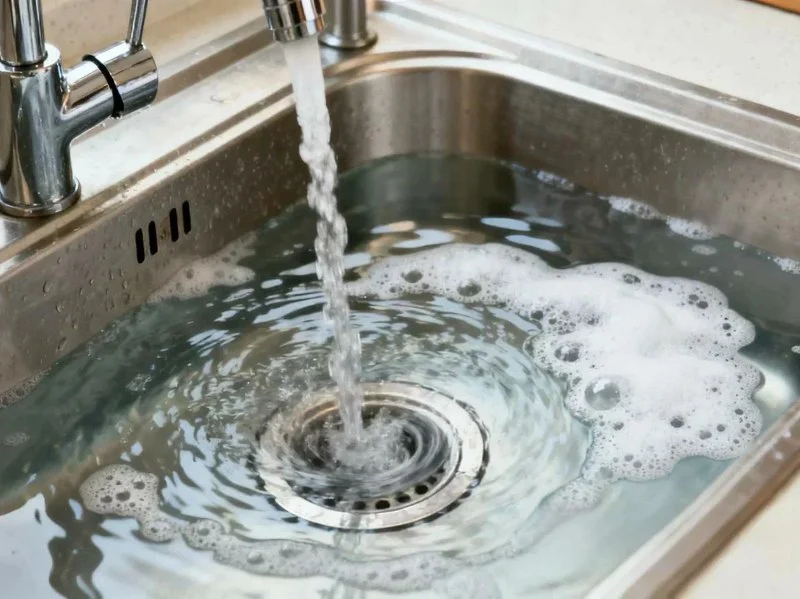
Troubleshooting Plumbing Problems: What to Do When Your Sink Is Slow to Drain
- Common Causes of Slow Draining Sinks
- How to Diagnose Sink Drain Problems
- Effective Home Remedies for Fixing a Slow Drain
- When to Call a Plumber for a Slow Drain
- Real-Life Case: Solving a Slow Drain Problem
Common Causes of Slow Draining Sinks
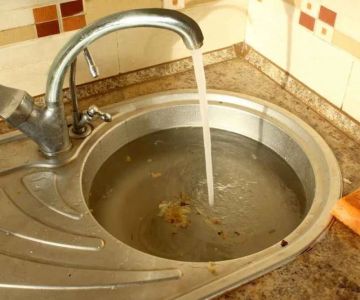
If your sink is slow to drain, you’re not alone. This is a common plumbing issue that can be caused by a variety of factors. Understanding the underlying causes will help you identify the best course of action to fix the problem quickly.
1. Clogged Pipes: The most common cause of a slow-draining sink is a blockage in the drainpipes. Over time, food debris, grease, soap scum, and hair can accumulate in the pipes, creating a clog that restricts the flow of water.
2. Dirty or Damaged Drain Trap: The drain trap, located underneath the sink, is designed to prevent odors and debris from escaping into the kitchen or bathroom. If the trap becomes dirty or damaged, it can cause water to drain slowly.
3. Hard Water Buildup: In areas with hard water, mineral deposits can accumulate in your sink’s drainpipes, leading to clogs and slow drainage. These minerals can build up over time, narrowing the pipes and obstructing water flow.
4. Venting Issues: Plumbing systems rely on vents to allow air to flow into the pipes and maintain proper pressure. If the vent is blocked or malfunctioning, it can cause drainage problems, including slow draining sinks.
How to Diagnose Sink Drain Problems
Before you attempt to fix a slow-draining sink, it’s important to diagnose the problem. Follow these steps to help pinpoint the cause:
1. Check for Visible Blockages: Start by inspecting the drain opening and sink trap for any visible blockages. You may notice food debris, hair, or soap buildup that could be slowing down the drainage.
2. Test the Water Flow: If water is draining slowly, it’s a sign that the problem lies within the drain. If you have multiple sinks or fixtures that are draining slowly, it could indicate a larger plumbing issue affecting the entire system.
3. Check for Gurgling Sounds: If you hear gurgling sounds coming from the sink when water is draining, it could mean there’s a blockage in the drain vent or trap. This noise is often caused by air trying to escape through a clogged pipe.

Effective Home Remedies for Fixing a Slow Drain
If your sink is draining slowly, there are several home remedies you can try before calling a plumber. These solutions are simple, affordable, and can often resolve minor issues quickly:
1. Boiling Water: Pouring boiling water down the drain can help dissolve grease and soap scum buildup. Boil a kettle of water and slowly pour it down the drain in stages. Repeat the process a few times to see if it helps clear the blockage.
2. Baking Soda and Vinegar: This classic DIY remedy can help break down minor clogs. Start by pouring a half cup of baking soda down the drain, followed by a half cup of vinegar. Cover the drain and let it sit for 15-20 minutes, then flush it with hot water.
3. Plunger: If you suspect a clog in the drain trap, a plunger can help dislodge the blockage. Place the plunger over the drain opening and push down firmly several times. If the clog is loose, this may help clear it.
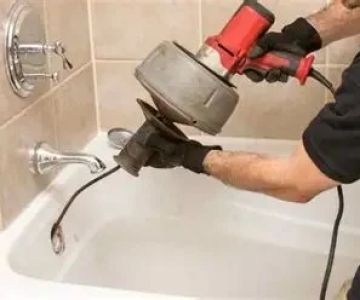
4. Drain Snake: For more stubborn clogs, a drain snake can help break up debris and clear the pipe. Insert the snake into the drain, twist, and push it through the pipe until you reach the clog. Pull it out and dispose of any debris it collects.
When to Call a Plumber for a Slow Drain
While many slow-drain issues can be solved with DIY methods, there are certain situations when it’s best to call a professional plumber. If you’ve tried home remedies and the problem persists, or if you notice any of the following signs, it’s time to contact a plumber:
1. Persistent Clogs: If you’ve attempted to fix the slow drain with no success, or if the clog keeps returning, it may indicate a deeper issue, such as a problem in the main sewer line.
2. Multiple Drains Are Affected: If other drains in your home are also draining slowly, it could point to a larger blockage in the plumbing system, and a plumber will be able to identify the root cause.
3. Foul Odors: If you notice a foul smell coming from the drain, it could be a sign of rotting food or other organic matter stuck in the pipes. A plumber can assess the situation and remove the source of the odor.
Real-Life Case: Solving a Slow Drain Problem
Last month, Tom noticed that his kitchen sink was draining slower than usual. He tried using boiling water and baking soda, but the problem persisted. After a few days of frustration, he called a plumber. Upon inspection, the plumber discovered that Tom’s kitchen drain trap was partially clogged with food debris and grease. The plumber quickly cleared the blockage and advised Tom to regularly clean the drain trap to prevent future issues.
Tom’s experience highlights the importance of troubleshooting plumbing problems early. While DIY remedies can help, it’s always a good idea to consult a professional if the issue doesn’t resolve quickly. Prompt action can save you time and money in the long run.

 Linek Plumbing Company4.0 (96 reviews)
 Roto-Rooter Plumbing & Water Cleanup4.0 (3994 reviews)
 Predictable Plumbing5.0 (30 reviews)
 Main Drain Sewer & Repair4.0 (153 reviews)
 Premium plumbing4.0 (14 reviews)
 Hutchison Septic Tank Cleaners4.0 (7 reviews)
 How to Clear Stubborn Hair Clogs from Bathroom Drains – Effective Solutions
 How to Prevent Clogged Drains: Everyday Habits You Should Adopt
 How to Repair a Pipe Saddle That Leaks: Complete Guide
 How to Detect Water Leaks in Your Plumbing System
 How to Fix a Leaky Toilet Tank and Stop Water Waste
 How to Detect Plumbing Leaks Early to Avoid Expensive Repairs