

- 1. Understanding Low Flow Showerheads
- 2. Common Causes of Low Water Flow
- 3. How to Troubleshoot Low Flow Showerheads
- 4. Fixing Low Flow Showerhead Issues
- 5. When to Replace Your Showerhead
- 6. Final Tips for Maintaining Good Water Flow
1. Understanding Low Flow Showerheads
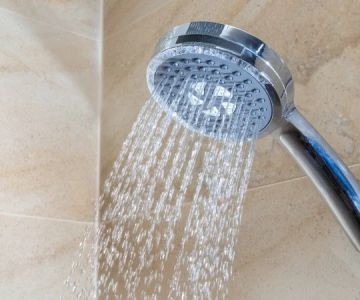
Low flow showerheads are designed to conserve water while maintaining a satisfying shower experience. However, if your showerhead starts experiencing low water pressure, it can lead to a frustrating shower experience. Low water pressure or reduced water flow could be due to various reasons, including clogged nozzles, mineral buildup, or issues with the plumbing system. In this article, we’ll help you understand why your showerhead might be delivering low flow and how to troubleshoot and fix the issue.

Sparks plumbing and drain cleaning
705 County Rd 44 S, Ironton, OH 45638, USA
2. Common Causes of Low Water Flow
Before jumping into solutions, it's important to first understand what could be causing the low flow in your showerhead. Below are some of the most common culprits:

2.1. Mineral Buildup
One of the leading causes of low water flow in showerheads is mineral buildup, especially in areas with hard water. Over time, calcium, lime, and other minerals accumulate inside the showerhead, clogging the tiny holes and reducing water flow.
2.2. Clogged Nozzles
Showerheads have multiple small nozzles that allow water to flow out. If these nozzles become clogged with debris or soap scum, it can restrict the water flow and result in low pressure. Regular cleaning can help prevent this buildup.
2.3. Water Pressure Problems
Sometimes, low water pressure is not caused by the showerhead itself but by issues with the plumbing system. If your entire home is experiencing low water pressure, it may be worth investigating your water supply system, including the main water valve and water lines.
3. How to Troubleshoot Low Flow Showerheads
If you're experiencing low water flow in your shower, here are some troubleshooting steps you can take to identify and solve the problem:
3.1. Check the Water Supply
Start by checking if the problem is related to your water supply. Ensure that the main water valve is fully open. If the water pressure is low throughout your home, the issue might be with your water supply and not the showerhead itself.
3.2. Inspect the Showerhead
Remove the showerhead from the shower arm to check for any visible blockages or buildup. Examine the nozzles and the inside of the showerhead for any signs of mineral deposits or debris that might be obstructing the flow of water.
3.3. Clean the Showerhead
If you notice mineral buildup, try soaking the showerhead in a vinegar solution for a few hours. Vinegar helps dissolve mineral deposits and can restore the water flow. After soaking, use a toothbrush to scrub the nozzles and remove any remaining buildup.
4. Fixing Low Flow Showerhead Issues
Once you've identified the issue, here are some fixes that can help restore normal water flow to your showerhead:
4.1. Clean or Replace the Showerhead
If cleaning the showerhead doesn’t improve the water flow, you may need to replace the showerhead. Over time, showerheads can wear out, and mineral buildup might become too difficult to remove. Upgrading to a new low flow showerhead may improve both water pressure and efficiency.
4.2. Install a Showerhead Filter
If mineral buildup is a frequent issue in your home, consider installing a water softening filter on your showerhead. These filters can reduce mineral deposits and improve water flow by preventing future blockages.
4.3. Adjust the Water Pressure Regulator
If your home has a water pressure regulator, it might be set too low. You can adjust the regulator to increase water pressure throughout the home, which can improve the flow from your showerhead.
5. When to Replace Your Showerhead
While most low flow showerhead issues can be resolved with cleaning, there are times when replacement is necessary. If the showerhead is severely clogged, cracked, or corroded, it may be time to replace it. A new showerhead will not only solve the water flow problem but can also enhance your shower experience with improved spray patterns and efficiency.
6. Final Tips for Maintaining Good Water Flow
To prevent low flow issues in the future, follow these maintenance tips:
6.1. Regular Cleaning
Make it a habit to clean your showerhead every few months to prevent mineral buildup and clogged nozzles. A simple vinegar soak can go a long way in maintaining optimal water flow.
6.2. Use a Water Softener
If your home has hard water, consider investing in a water softener to reduce mineral buildup on your showerhead and plumbing fixtures. This will not only improve water flow but also extend the lifespan of your appliances.
7. Final Thoughts and Recommendations
Dealing with a low flow showerhead can be frustrating, but it’s a problem that’s often easily solvable. By following the troubleshooting steps outlined in this guide, you can restore your shower’s water flow and enjoy a better shower experience. Remember to keep your showerhead clean, check the water pressure, and invest in a high-quality showerhead for long-term performance. For more helpful products and advice, visit Plumbers Supply Hub for expert recommendations and top-rated showerheads to fit your needs.
 Edwards Plumbing4.0 (57 reviews)
 Express Plumbing, LLC.4.0 (110 reviews)
 Lock’s Plumbing, LLC4.0 (13 reviews)
 Bendele Electric Plumbing4.0 (2 reviews)
 Plumberland Emergency Plumbing Land Commerce5.0 (22 reviews)
 Taylor Plumbing Services4.0 (52 reviews)
 How to Reset a Tripped Pressure Switch in a Well Pump
 How to Prevent Water Damage with Regular Plumbing Inspections
 How to Eliminate Corrosion in Hard Water Homes
 How to Replace a Faulty Pressure Relief Valve: Step-by-Step Guide for Homeowners
 How to Deal With Low Water Pressure in Your Bathroom
 How to Reroute a Drain Line After Flooring Remodel