

- 1. Why Install a Washing Machine Yourself?
- 2. Tools You Need for Washing Machine Installation
- 3. Step-by-Step Washing Machine Installation Guide
- 4. Common Mistakes to Avoid
- 5. Real-Life Case Studies and Inspirations
- 6. Final Thoughts and Recommendations
1. Why Install a Washing Machine Yourself?
Installing a washing machine yourself can be a rewarding DIY project that saves both time and money. Many homeowners assume that washing machine installation requires a professional, but with the right tools and instructions, it’s a completely manageable task. DIY installation allows you to gain a better understanding of your home's plumbing system and gives you full control over the quality of the setup. Plus, you'll have the satisfaction of completing the project yourself!
2. Tools You Need for Washing Machine Installation
Before beginning the installation process, it’s crucial to gather all the necessary tools. Here's a list of what you’ll need:
2.1. Adjustable Wrench
An adjustable wrench is necessary for tightening the hose connections securely.
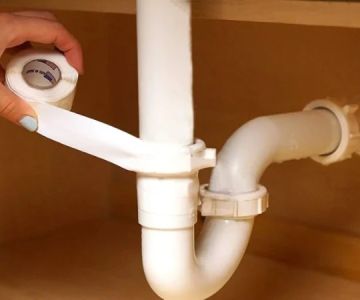
2.2. Plumber's Tape
Plumber's tape, also known as Teflon tape, ensures a tight seal on water connections, preventing leaks.
2.3. Level
A level helps you ensure that your washing machine is perfectly aligned to avoid vibration and movement during use.
2.4. Drain Hose
The drain hose is essential for draining the water from your washing machine. Make sure it’s long enough to reach your drain or utility sink.
2.5. Pliers and Screwdrivers
You'll need pliers and screwdrivers for securing the hoses and making adjustments to the washing machine’s connections.
3. Step-by-Step Washing Machine Installation Guide
Now that you have the tools, it's time to install your washing machine! Follow these steps for a smooth and efficient installation:
3.1. Prepare the Location
First, ensure that your chosen spot for the washing machine is level, and there is access to both water supply lines and a drain. If the location is not level, use a level to adjust the position of the washing machine. If your laundry area lacks the necessary water supply lines or drain, you’ll need to install them beforehand, which may require professional help.
3.2. Connect the Water Supply Hoses
Next, connect the water supply hoses to the back of the washing machine. Attach the hot and cold water hoses to their corresponding water supply valves. Make sure to use plumber’s tape around the threads of the hoses to avoid leaks. Tighten the connections securely with an adjustable wrench, but be careful not to overtighten.
3.3. Attach the Drain Hose
Place the drain hose into the drainpipe or utility sink. Make sure the hose is positioned securely so that water doesn’t leak out during operation. Some machines have a special clamp to hold the hose in place. If necessary, secure the drain hose with tape or a clamp to ensure it doesn’t move during use.
3.4. Plug In the Washing Machine
Plug the washing machine into a grounded electrical outlet. Make sure the plug fits securely and that the outlet is functioning correctly. Do not use extension cords as they can pose a fire hazard.
3.5. Test the Installation
Once everything is connected, turn on the water supply valves and plug in the washing machine. Run a short cycle to check for any leaks. If you notice any leaks, immediately turn off the water supply and tighten the connections. After ensuring there are no leaks, your washing machine installation is complete!
4. Common Mistakes to Avoid
While installing a washing machine may seem straightforward, there are several common mistakes you should avoid:
4.1. Not Leveling the Machine Properly
A washing machine that’s not level will cause unnecessary vibrations and potentially damage the machine over time. Always use a level to ensure that the washing machine sits perfectly flat on the floor.
4.2. Incorrect Hose Connections
Make sure that the water hoses are connected to the correct valves—hot to hot and cold to cold. Mixing up the hoses can result in improper water temperature and inefficient washing cycles.
4.3. Forgetting to Check for Leaks
Always run a test cycle after installation to check for leaks. Many people neglect this step, leading to water damage and costly repairs later on. Even small leaks should be addressed immediately to prevent long-term issues.
5. Real-Life Case Studies and Inspirations
To illustrate how DIY washing machine installation can be both cost-effective and rewarding, let’s look at some real-life examples:
5.1. Case Study: A Family of Four's Successful Installation
A family of four decided to install their washing machine to avoid the high costs of hiring a plumber. After gathering all the tools and following a step-by-step guide, they were able to set up their machine within a few hours. Not only did they save money, but they also gained valuable knowledge about their home plumbing system.
5.2. Case Study: First-Time Installers
Another individual, a first-time DIYer, was able to install their washing machine with the help of online resources and a bit of patience. Despite being unsure at first, they successfully completed the installation and now feel empowered to tackle future home improvement projects.
6. Final Thoughts and Recommendations
Installing a washing machine yourself is a feasible and cost-effective project, especially when you have the right tools and guidance. By following the steps outlined above, you can ensure a successful installation and avoid common mistakes. If you encounter any challenges or need professional products for your installation, consider visiting Plumbers Supply Hub for expert recommendations and the right tools for the job. Happy washing machine installation!
 Petrack Plumbing, Llc4.0 (28 reviews)
 All Service Plumbing Drain and Hydro-Jet4.0 (16 reviews)
 Gage & Gage Plumbing & Heating, Inc.5.0 (9 reviews)
 Sewer Surgeons Of Michigan4.0 (19 reviews)
 Geiger Plumbing4.0 (87 reviews)
 Happy Camper Drain Cleaning & Plumbing Repair5.0 (87 reviews)
 How to Prevent Water Heater Leaks with Regular Maintenance
 Why Your Water Bill Is High and How to Lower It with Plumbing Solutions
 How to Detect a Hidden Slab Leak: A Complete Guide for Homeowners
 How to Eliminate Corrosion in Hard Water Homes
 How to Repair a Pipe Saddle That Leaks
 How to Replace a Broken Pipe Without Major Construction Work