
- Understanding a Running Toilet
- Common Causes of a Running Toilet
- How to Fix a Running Toilet in 5 Simple Steps
- Real-Life Case: Fixing a Running Toilet at Home
Understanding a Running Toilet
Dealing with a running toilet can be a frustrating experience, especially when it seems like the toilet is constantly wasting water. Not only does this lead to a higher water bill, but it can also indicate an underlying problem in your plumbing system. In this guide, we will walk you through the causes and easy fixes to resolve this issue.
Why Toilets Run Constantly
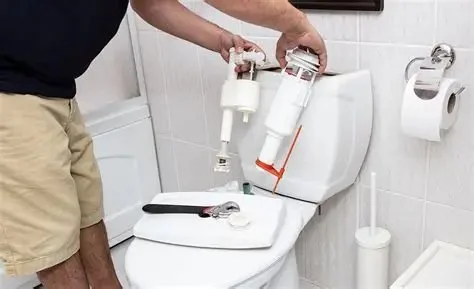
A running toilet occurs when water continues to flow into the bowl after flushing. This often happens due to issues with the toilet's internal mechanisms, which include the flapper valve, float valve, and flush valve. Over time, these components can wear out, resulting in water leaking from the tank into the bowl and causing the toilet to run continuously.

Milnes Plumbing & Heating
MurrayvilleMorgan CountyIllinois
2078 County Line Rd, Murrayville, IL 62668, USA
The Importance of Fixing a Running Toilet
Not only is it annoying to hear your toilet running all the time, but it's also a waste of water. According to experts, a running toilet can waste up to 200 gallons of water per day, leading to a higher water bill and a larger environmental footprint. Taking the time to fix the issue can save you money and help conserve water.
Common Causes of a Running Toilet
Before you get started on the fix, it's helpful to know what might be causing the issue. Here are the most common culprits:
1. Faulty Flapper Valve
The flapper valve is one of the most common causes of a running toilet. This rubber valve sits at the bottom of the tank and seals the opening to the flush valve. If it becomes worn, warped, or misaligned, it may not create a proper seal, causing water to leak from the tank into the bowl.
2. Malfunctioning Fill Valve
The fill valve controls the water level in the toilet tank. If it’s broken or malfunctioning, it may keep filling the tank, causing the toilet to run. A faulty fill valve can lead to overfilling and a constant trickle of water.
3. Incorrect Float Position
The float mechanism helps regulate the water level in the tank. If the float is set too high or too low, it can cause the water to either overflow or fail to stop filling the tank. Adjusting the float position can often resolve the issue.
4. Leaking Flush Valve
A worn-out flush valve can also contribute to a running toilet. This part is responsible for allowing water to flow from the tank into the bowl when you flush. If it’s damaged or corroded, it may allow water to continue flowing even after the flush cycle is complete.
How to Fix a Running Toilet in 5 Simple Steps
Now that you know the common causes of a running toilet, here’s how to fix it with a few simple steps:
Step 1: Turn Off the Water Supply
The first step is to turn off the water supply to your toilet. You can do this by locating the shut-off valve behind the toilet and turning it clockwise until it’s completely closed. This prevents any more water from entering the tank while you make the repairs.
Step 2: Inspect the Flapper Valve
Remove the tank lid and check the flapper valve at the bottom of the tank. Look for any signs of wear, cracks, or misalignment. If it appears damaged, you’ll need to replace it. Flapper valves are inexpensive and easy to replace, typically costing around $5 to $10.
Step 3: Adjust the Float Valve
If the float is set too high or low, it could be causing the tank to overfill. Adjust the float by either bending the arm or adjusting the screw, depending on the type of float system your toilet uses. Ensure that the water level is about an inch below the overflow tube.
Step 4: Check the Fill Valve
If the fill valve seems to be malfunctioning, inspect it for any damage. If it’s clogged or worn, you might need to replace it. Replacement fill valves are easy to install and can be found at most hardware stores for $10 to $15.
Step 5: Test the Toilet
After making these adjustments, turn the water supply back on and let the tank refill. Flush the toilet to ensure that the problem is fixed. If the toilet no longer runs continuously, congratulations—you’ve successfully fixed the issue!
Real-Life Case: Fixing a Running Toilet at Home
Case Study: John's DIY Toilet Fix – John, a homeowner, noticed his toilet was running constantly for a week. After receiving high water bills, he decided to investigate. By following the steps outlined above, he quickly identified that the flapper valve was worn out. He replaced the valve for just $6, and after making a few float adjustments, the toilet stopped running. John was relieved not only to fix the problem himself but also to save on future water bills.


 Matt Mertz Plumbing, Inc.4.0 (348 reviews)
 DTS Plumbing LLC4.0 (3 reviews)
 Oasis Plumbing & Drain Services Inc.4.0 (36 reviews)
 Ziemer Plumbing L.L.C0.0 (0 reviews)
 Dupage Home Services4.0 (86 reviews)
 Hillard's Plumbing, Heating & Cooling Co4.0 (41 reviews)
 How to Replace Your Water Heater’s Thermostat for Better Performance
 How to Safely Drain a Water Heater Before Moving
 How to Detect and Stop Galvanic Corrosion in Pipes | Plumbers Supply Hub
 How to Install a New Kitchen Sink Faucet: A Beginner’s Guide
 htmlCopy codeHow to Repair a Loose Bathtub Overflow Plate
 How to Repair a Swollen P-Trap After a Clog