
- 1. Why Frozen Pipes Are a Problem
- 2. Signs of Pipes Freezing
- 3. How to Prevent Pipes from Freezing
- 4. What to Do If Your Pipes Freeze
- 5. When to Call a Professional
1. Why Frozen Pipes Are a Problem
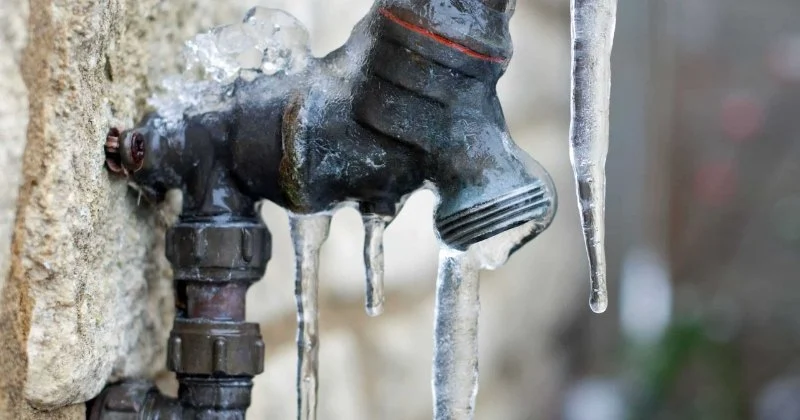
During the winter months, frozen pipes are a major concern for homeowners, particularly in colder regions. When the temperature drops, water inside pipes can freeze, causing them to expand. This expansion can lead to the pipes bursting, resulting in water damage and expensive repairs.
Frozen pipes often occur in areas of the home that are less insulated, such as basements, attics, garages, and exterior walls. A burst pipe can lead to flooding, damaging walls, floors, and personal belongings. The best way to prevent this situation is to take preventative measures before the cold weather hits.
2. Signs of Pipes Freezing
Knowing the signs of frozen pipes can help you act quickly before they cause significant damage. Here are a few common indicators that your pipes might be freezing:
2.1 Low Water Pressure
If you notice a sudden drop in water pressure or no water coming from a faucet, it could be a sign that a pipe is frozen. Frozen water blocks the flow, which results in decreased water pressure or complete stoppage.
2.2 Frost on Pipes
Frost or condensation on the exterior of pipes is a clear sign that the water inside is freezing. This is especially common in areas of your home that are exposed to colder air.
2.3 Strange Sounds from Pipes
Sometimes, you might hear unusual sounds, like banging or clanking, from your pipes. This can indicate the movement of ice inside the pipes, which can disrupt normal water flow.
3. How to Prevent Pipes from Freezing
Preventing frozen pipes involves a combination of insulation, proper heating, and regular maintenance. Here are the best strategies to avoid frozen pipes during the winter season:
3.1 Insulate Pipes
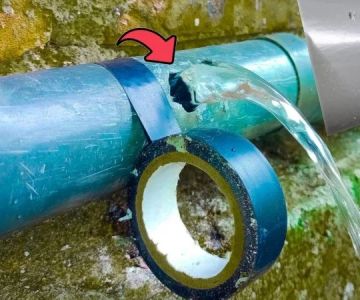
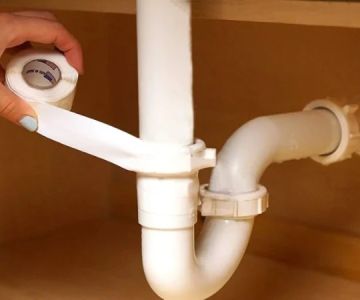
Insulating your pipes is one of the most effective ways to prevent freezing. Use pipe insulation foam or heat tape to cover pipes in unheated areas, such as basements, attics, and garages. This will help maintain the temperature of the water inside the pipes, even when the temperature outside drops.
3.2 Keep the Heat On
Even if you are leaving town for the winter, it’s important to keep the heat on in your home. Set your thermostat to at least 55°F (13°C) to ensure that the indoor temperature remains warm enough to prevent pipes from freezing. If you have unheated areas in your home, make sure they are well-insulated or heated to avoid cold drafts.
3.3 Let Faucets Drip
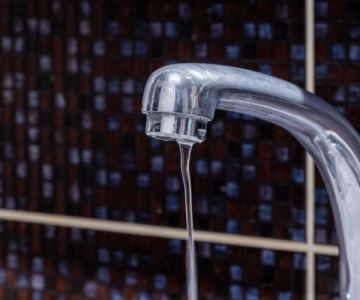
Letting your faucets drip slightly during extremely cold temperatures helps relieve pressure in the pipes. Running water, even in a small stream, prevents the water inside the pipes from freezing and causing blockages or bursts.
3.4 Open Cabinet Doors
If you have pipes under sinks or near exterior walls, open the cabinet doors to allow warm air to circulate around the pipes. This is especially helpful in kitchens and bathrooms where pipes are often in contact with cold outer walls.
3.5 Seal Gaps and Cracks
Inspect your home for gaps, cracks, or holes that may allow cold air to reach your pipes. Seal any openings around windows, doors, or vents to ensure that your pipes stay insulated from the outside chill. Pay extra attention to areas where pipes enter the home, such as around pipes in the basement, attic, or crawl spaces.
4. What to Do If Your Pipes Freeze
If you suspect that your pipes have frozen, it’s important to act quickly to minimize damage:
4.1 Turn Off the Water Supply
If you notice that a pipe has frozen, the first step is to turn off the water supply to prevent water from flowing through the pipe when it thaws. This can prevent flooding if the pipe bursts.
4.2 Apply Heat to the Frozen Section
To thaw the frozen pipe, apply heat gradually using a hair dryer, heat lamp, or a portable space heater. Start at the section of the pipe closest to the faucet and work your way toward the rest of the pipe. Never use an open flame or high-heat source, as this could cause the pipe to burst.
4.3 Call a Professional
If you’re unable to locate the frozen pipe or if the pipe has burst, it’s time to call a professional plumber. They will have the right tools and experience to safely thaw the pipes and repair any damage caused by freezing.
5. When to Call a Professional
While you can handle many pipe issues on your own, there are situations where professional help is necessary:
5.1 Multiple Pipes Are Frozen
If multiple pipes are frozen, it’s a sign that the problem is more extensive and may require professional intervention. A plumber can assess the situation and provide a permanent solution.
5.2 Pipe Has Burst
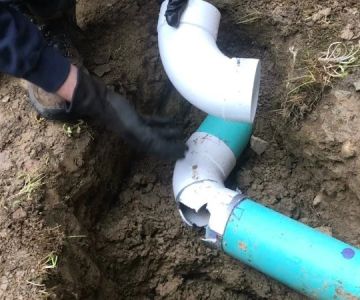
If a pipe has burst due to freezing, it’s crucial to call a plumber immediately to avoid significant water damage. They can quickly shut off your home’s water supply and repair the burst pipe to prevent flooding.
By following these tips to prevent frozen pipes during the winter season, you can protect your home from costly damage and ensure that your plumbing remains in top condition. For more information on plumbing solutions and to find the best products for pipe maintenance, check out Plumbers Supply Hub for expert recommendations and top-quality supplies.
 Hometown Plumbing, LLC4.0 (55 reviews)
 Jeff Caudill Plumbing3.0 (12 reviews)
 Alert Plumbing & Sewer Cleaning4.0 (3 reviews)
 Plumbing Boys4.0 (42 reviews)
 Cova Plumbing& Rooter4.0 (19 reviews)
 5 Star Plumbing, Heating, & Air5.0 (32 reviews)
 How to Detect and Repair Hidden Leaks in Your Home’s Plumbing System
 How to Prevent Tree Roots from Damaging Sewer Lines
 How to Clear a Clogged Sewer Line: What Every Homeowner Should Know
 Why Your Water Heater Is Making Noise and How to Fix It
 How to Repair a Swollen P-Trap After a Clog
 How to Repair a Hairball Clog Without Harsh Chemicals