
 php-template复制代码
1. Understanding the Risks of Frozen Pipes
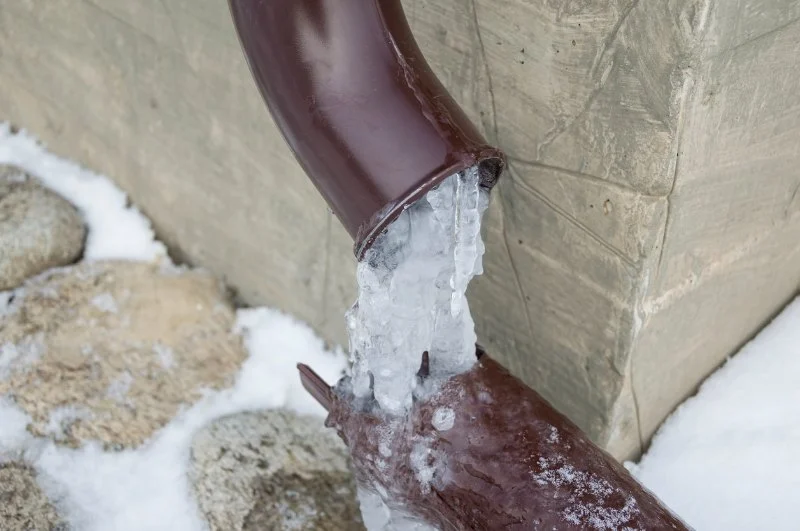
During the winter, one of the most common and damaging issues homeowners face is frozen pipes. When temperatures drop, the water inside your pipes can freeze, causing the pipes to expand and, in some cases, burst. This can lead to significant water damage, costly repairs, and disruption to your home’s plumbing system. The key to preventing frozen pipes is understanding why and how they freeze and taking proactive steps to protect them before the cold weather arrives.

2. Effective Ways to Prevent Frozen Pipes
Preventing frozen pipes requires a combination of preparation and maintenance. Below are several practical ways to keep your pipes safe during the winter:
2.1. Keep the Heat On
Even when you're away from home, it’s essential to maintain a consistent temperature. Set your thermostat no lower than 55°F (13°C), especially if you plan to travel during the winter. Lower temperatures can cause the water in your pipes to freeze, particularly in areas of your home that are less insulated, like basements or attics.
2.2. Open Cabinet Doors
If you have pipes under sinks that are located against exterior walls, open the cabinet doors to allow warm air to circulate around them. This is especially important in the kitchen and bathroom where pipes can freeze faster due to their proximity to outside walls.
2.3. Let Faucets Drip
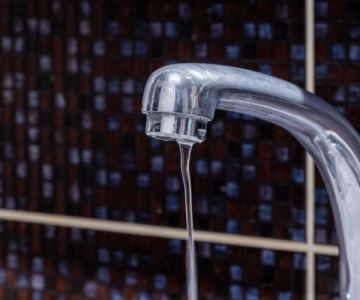
If temperatures are expected to drop significantly, allow a slow drip from faucets that are connected to pipes running through unheated or exterior walls. The flowing water is less likely to freeze than standing water, reducing the risk of a frozen pipe.
2.4. Seal Gaps and Cracks
Inspect your home for any gaps or cracks around windows, doors, or at the points where pipes enter the home. Use weatherstripping, insulation, or caulk to seal any openings. Cold air can enter your home through these gaps and cause your pipes to freeze, so sealing them can help keep the interior temperature stable and warm.
3. The Importance of Pipe Insulation
One of the most effective ways to prevent frozen pipes is through insulation. By adding insulation around your pipes, you help to maintain a consistent temperature and prevent the pipes from becoming too cold in the first place. There are several types of pipe insulation to consider:
3.1. Foam Insulation
Foam pipe insulation is one of the most popular and effective options for preventing frozen pipes. It is easy to install and works well for both hot and cold pipes. The foam material prevents the temperature from fluctuating around the pipes, keeping them warmer during cold weather.
3.2. Heat Tape
Heat tape is an electric heating cable that wraps around your pipes to maintain a warm temperature. This is especially useful for areas where freezing is more likely to occur, such as attics or crawlspaces. Heat tape can be plugged into a standard electrical outlet, and it will keep the temperature of the pipes regulated during the coldest months.
3.3. Pipe Sleeves
Pipe sleeves are another option for insulating your pipes. These sleeves fit over the pipes and help keep them insulated against the cold. They are available in various materials, such as foam, fiberglass, or rubber, each offering different levels of protection against freezing temperatures.
4. Using Heating Cables for Pipe Protection
In addition to basic insulation, heating cables are an excellent option for preventing frozen pipes. Heating cables are designed to keep the temperature of your pipes above freezing by providing a constant source of warmth. These cables are particularly useful for areas where freezing temperatures are most likely, such as exterior walls, basements, and garages.
4.1. How Heating Cables Work
Heating cables are usually installed along the length of the pipe, either on the outside or inside. The cable is typically wrapped around the pipe or laid along it, and it generates heat when plugged in. This heat prevents the pipes from dropping below freezing temperatures, ensuring they remain functional throughout the winter months.
4.2. Benefits of Heating Cables
One of the key benefits of using heating cables is their energy efficiency. Most heating cables are designed to activate only when the temperature drops below a certain level, ensuring that energy is used only when necessary. They are a cost-effective solution for preventing frozen pipes, especially in critical areas where freezing is more likely to occur.
5. Real-Life Examples of Frozen Pipe Prevention
Here are a couple of real-life examples where homeowners successfully prevented frozen pipes:
5.1. Case Study 1: A Winter Disaster Averted
In a home in northern Michigan, the owners experienced extreme cold temperatures during the winter. Concerned about frozen pipes in their basement, they decided to install foam pipe insulation around the vulnerable pipes. Additionally, they placed heat tape on the pipes in areas prone to freezing. These measures prevented any damage, even as temperatures dropped well below freezing for several days.
5.2. Case Study 2: Avoiding Expensive Plumbing Repairs
A homeowner in Minnesota noticed that their garage pipes were exposed to the cold winter air. To prevent them from freezing, they installed heating cables along the pipes and sealed any cracks around the garage door. The pipes remained safe, and the homeowner avoided costly plumbing repairs and water damage.
6. Final Thoughts on Winterizing Your Pipes
Preventing frozen pipes is an essential part of winter home maintenance. By taking proactive steps like insulation, heating cables, and sealing gaps, you can protect your home from the costly damage caused by burst pipes. Don’t wait for the first cold snap—prepare your home now to ensure your pipes stay safe and your plumbing system remains intact. For the best pipe insulation and heating cable products, visit Plumbers Supply Hub for top-quality options tailored to your needs.
 Righty Tighty Plumbing5.0 (116 reviews)
 Four Seasons Drain Services5.0 (89 reviews)
 TruFlow Plumbing & Drainage, Inc4.0 (49 reviews)
 Kelly Plumbing & Heating, Inc.4.0 (165 reviews)
 Command Plumbing Inc.4.0 (233 reviews)
 Rooter Guy Plumbing3.0 (11 reviews)
 How to Repair a Crack Around a Bathtub Rim: A Step-by-Step Guide
 The Risks of Installing Incorrectly Sized Pipes
 How to Fix a Leaky Faucet Under the Sink - Plumbers Supply Hub
 How to Repair a Pipe Saddle That Leaks
 The Top Plumbing Tools Every Homeowner Should Have in Their Toolkit
 What to Do When Your Sink Leaks Only at the Base: Causes & Fixes