
How to Fix a Leaky Faucet Under the Sink
- 1 - Identifying the Leak
- 2 - Tools Needed for Faucet Repair
- 3 - Step-by-Step Guide to Fixing a Leaky Faucet
- 4 - Common Causes of Leaky Faucets
- 5 - When to Call a Plumber
1 - Identifying the Leak
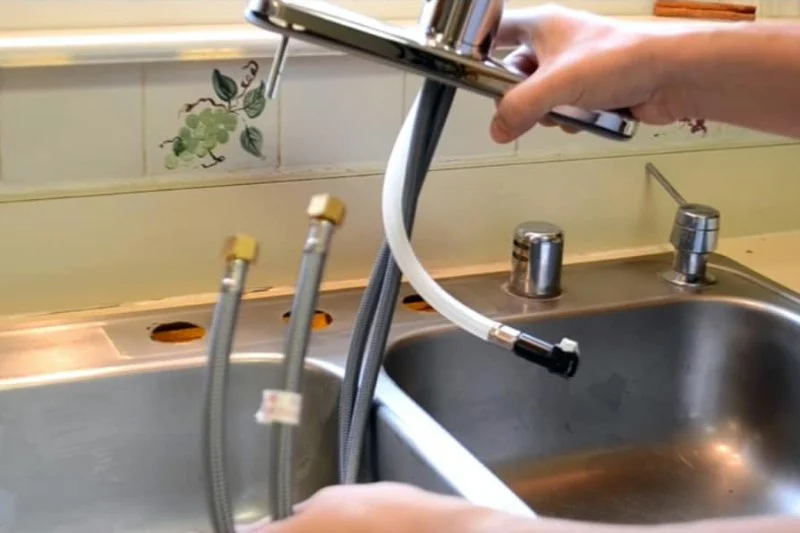
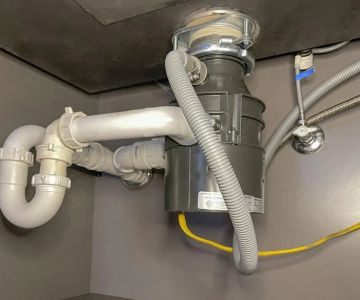
Before fixing a leaky faucet, it’s essential to correctly identify the source of the leak. Faucets under the sink can develop leaks from various areas, including the spout, base, or connections to the water supply lines. Carefully examine the faucet to determine where the water is dripping from. A common sign of a problem is water pooling around the base or on the countertop. If the leak is coming from the water supply lines, you may notice wetness around the connections or hear a steady drip under the sink.
Additionally, check if the faucet handle feels loose or difficult to turn, as this could also indicate a problem that needs addressing. Once you’ve pinpointed the source of the leak, you’ll be able to move forward with the appropriate fix.

2 - Tools Needed for Faucet Repair
Having the right tools for the job is crucial when repairing a leaky faucet. Here’s a list of the basic tools you’ll need:
- Adjustable Wrench: This will help loosen and tighten the nuts and bolts that hold the faucet components together.
- Plumber’s Tape: Also known as Teflon tape, this is used to seal the connections and prevent leaks at the joints.
- Screwdrivers: Both flathead and Phillips screwdrivers will be necessary to remove screws from faucet handles or parts.
- Replacement Parts: Depending on the type of faucet you have, you might need replacement washers, O-rings, or cartridges.
- Bucket or Towels: These will help catch any residual water while you work on the faucet and keep your workspace dry.
These tools are commonly used for most DIY faucet repairs, and they can usually be found in any well-stocked home improvement store. If you're unsure about the exact parts you need, visiting a site like Plumbers Supply Hub can help you find the right tools and replacement components for your specific faucet model.
3 - Step-by-Step Guide to Fixing a Leaky Faucet
Once you’ve gathered the necessary tools, it’s time to get started with fixing the leaky faucet. Follow these steps to address the problem:
- Turn Off the Water Supply: Locate the water shut-off valves under the sink and turn them off. If you can’t find the individual shut-off valves, you may need to turn off the main water supply for your home.
- Plug the Drain: To prevent small parts from falling into the drain, use a plug or a rag to cover it.
- Remove the Faucet Handle: Use a screwdriver to remove the handle of the faucet. Some faucets may have a decorative cap that needs to be popped off before the screws are accessible.
- Inspect the Parts: With the handle removed, you’ll likely find a cartridge or valve inside. Inspect these parts for signs of damage, such as wear or corrosion.
- Replace Worn Parts: If you see any damaged components, such as worn washers, O-rings, or cartridges, replace them with the new parts you’ve purchased. Be sure to check the size and type of replacement part required for your faucet model.
- Reassemble the Faucet: After replacing the parts, carefully reassemble the faucet by reversing the steps you took to disassemble it. Tighten all connections securely.
- Test the Faucet: Turn the water supply back on and test the faucet to ensure that the leak has been fixed. Run the water for a few minutes to check for any remaining drips or leaks.
If done correctly, the leak should be resolved, and your faucet should be functioning properly again. If the problem persists, you may need to consult a professional plumber.
4 - Common Causes of Leaky Faucets
Understanding the common causes of leaky faucets can help prevent future issues. Here are some of the most frequent culprits:
- Worn-out Washers: Over time, the rubber washers inside faucets can wear down, causing leaks. Replacing them can solve many leakage problems.
- Corroded or Damaged O-Rings: O-rings are small rubber components that help seal connections. When they wear out, they can cause water to leak.
- Loose or Broken Parts: If parts of the faucet, like the valve seat or the faucet handle, become loose or damaged, water may leak from the connections.
- Faulty Cartridges: Cartridges control the flow of water in many faucets. A damaged or malfunctioning cartridge can result in a leaky faucet.
Regular maintenance and timely replacement of worn parts can help prevent these common issues and extend the life of your faucet.
5 - When to Call a Plumber
While many leaky faucet repairs are simple and can be done on your own, there are times when it’s best to call a plumber. Here are some scenarios when professional help may be necessary:
- Complex Faucet Models: Some faucets have intricate designs or require specialized tools and knowledge. If you're dealing with a high-end or complicated faucet, it might be best to leave the repair to a professional.
- Persistent Leaks: If you’ve replaced parts and the leak continues, there may be a deeper issue that requires professional inspection.
- Water Damage: If the leak has caused significant water damage to surrounding cabinets or walls, it’s essential to call a plumber to assess the situation and prevent further issues.
- Lack of Tools or Expertise: If you don't feel comfortable performing the repair or don’t have the proper tools, it’s better to hire a professional to avoid causing additional damage.
Plumbers can quickly diagnose and repair the issue, ensuring your faucet is fixed properly and efficiently. If you need a reliable plumber, Plumbers Supply Hub offers recommendations for trusted professionals in your area.

 Best Tech Plumbing Services5.0 (22 reviews)
 Plumb Inc - Plumber4.0 (58 reviews)
 J C's Plumbing Services5.0 (4 reviews)
 All-Star Plumbing4.0 (19 reviews)
 Black Brothers Plumbers4.0 (64 reviews)
 Sewer Sharks5.0 (46 reviews)
 How to Safely Replace an Outdated Plumbing Fixture
 How to Replace a Toilet That Wobbles After Installation
 When to Call a Professional for Sewer Line Issues
 How to Replace a Mixing Valve for Tempered Water | Plumbers Supply Hub
 How to Prevent Frozen Pipes During the Winter
 Why Your Sump Pump Runs Excessively and How to Limit It