
- -Understanding Hidden Plumbing Leaks-#understanding-hidden-leaks
- -Signs Your Home Might Have a Leak-#leak-signs
- -Step-by-Step Methods to Test Your Plumbing-#testing-methods
- -Using Technology and Tools for Detection-#technology-tools
- -Case Studies: Savings from Early Leak Detection-#case-studies
- -Preventive Maintenance and Tips-#preventive-maintenance
- -Resources from Plumbers Supply Hub-#plumbers-supply-hub-resources
1. Understanding Hidden Plumbing Leaks
Hidden leaks are plumbing issues that occur out of sight, often behind walls, under floors, or beneath sinks. These leaks may not be immediately visible but can cause extensive water damage, mold growth, and higher utility bills if left unchecked. Understanding where leaks commonly occur—such as at pipe joints, under toilets, or behind appliances—is the first step toward early detection and cost savings.
Leaks often develop gradually due to corrosion, aging pipes, or small cracks in fittings. Many homeowners are unaware of these problems until significant damage occurs, making routine testing crucial for maintaining plumbing health.
Johnston's Plumbing
BrandenburgMeade CountyKentucky
2125 Battletown Rd #9745, Brandenburg, KY 40108, USA
2. Signs Your Home Might Have a Leak
Recognizing potential signs of hidden leaks can save homeowners money and prevent structural damage:
2.1 Unexplained Increase in Water Bills
A sudden spike in water usage without changes in household habits often indicates a leak. Monitoring monthly bills can provide early warning signs.
2.2 Damp Spots or Mold Growth
Discoloration on walls, ceilings, or floors, as well as persistent musty odors, can signal hidden moisture and leaks behind surfaces.
2.3 Low Water Pressure
Leaks can reduce water flow to faucets and showers. If pressure drops unexpectedly, it may be due to a concealed leak in the plumbing system.
2.4 Dripping Sounds or Running Water
Even when all faucets are off, hearing water flow or dripping can indicate a hidden leak. This is often overlooked until damage becomes noticeable.
3. Step-by-Step Methods to Test Your Plumbing
Homeowners can perform several methods to test for hidden leaks:
3.1 Monitor Your Water Meter
Turn off all water fixtures and appliances. Note the water meter reading and check again after a few hours. Any change in reading indicates a leak in the system.
3.2 Inspect Toilet Tanks and Bowls
Toilets are a common source of hidden leaks. Add a few drops of food coloring to the tank and wait 10–15 minutes. If color appears in the bowl without flushing, there is a leak.
3.3 Check Under Sinks and Appliances
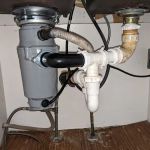
Inspect areas under sinks, dishwashers, washing machines, and refrigerators for moisture, water stains, or corrosion. Even small drips should be addressed immediately.
3.4 Examine Exposed Pipes and Fittings
Look for signs of rust, mineral deposits, or condensation. Pipes with gradual wear or loose fittings may develop leaks over time, requiring maintenance or replacement.
4. Using Technology and Tools for Detection
Modern tools make detecting hidden leaks more efficient:
4.1 Electronic Leak Detectors
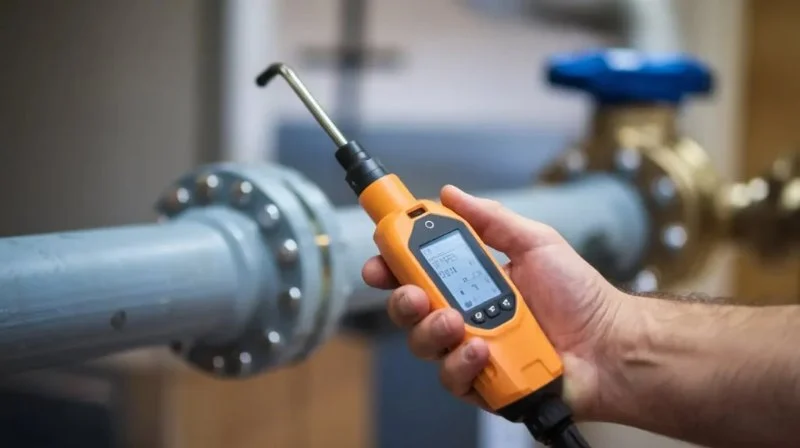
These devices detect moisture or changes in pressure behind walls, under floors, or inside pipes, helping locate leaks without invasive inspection.
4.2 Infrared Cameras
Infrared or thermal cameras reveal temperature variations caused by water leaks behind walls or under floors. Professionals often use these tools to pinpoint leaks precisely.
4.3 Smart Water Sensors
Smart sensors placed near pipes or appliances send alerts to your phone when moisture or unusual activity is detected. These sensors prevent extensive damage and allow for rapid intervention.
5. Case Studies: Savings from Early Leak Detection
Real-life examples highlight the importance of detecting leaks early:
Case 1: The Johnson Family
The Johnsons noticed a high water bill and minor wall discoloration. By using a smart water sensor and inspecting under sinks, they discovered a small pipe leak behind the kitchen wall. Early detection allowed them to repair the leak quickly, saving thousands in potential structural damage and mold remediation.
Case 2: Apartment Complex Management
An apartment building experienced ongoing water damage. Management implemented regular meter monitoring and thermal imaging inspections. Detecting leaks early minimized tenant disruption and avoided costly repairs that would have been required if leaks persisted unchecked.
Case 3: DIY Homeowner Initiative
A homeowner used food coloring in toilets and observed slight seepage. Promptly addressing the leak prevented carpet damage and foundation issues. This simple method saved both money and stress.
6. Preventive Maintenance and Tips
Regular maintenance reduces the likelihood of hidden leaks:
6.1 Schedule Routine Inspections
Professional inspections every 12–18 months can identify early signs of leaks and prevent major damage.
6.2 Replace Aging Pipes and Fittings
Older plumbing systems, especially those with galvanized or corroded pipes, should be replaced to reduce the risk of leaks.
6.3 Maintain Appliances and Fixtures
Regularly check washing machines, dishwashers, and water heaters for leaks or worn hoses. Prompt repairs prevent hidden water damage.
6.4 Educate Household Members
Ensure everyone in the household knows to report dripping faucets, slow leaks, or unusual water bills. Early reporting helps catch leaks before they escalate.
7. Resources from Plumbers Supply Hub
Plumbers Supply Hub provides tools, equipment, and guidance for homeowners to detect hidden leaks and maintain plumbing systems effectively:
- Leak detection devices and smart water sensors
- Guides and tutorials on testing plumbing systems safely
- Professional-grade tools for home inspections and minor repairs
- Support and advice from experienced plumbing experts
By utilizing these resources, homeowners can identify hidden leaks, prevent costly damage, and save money on water bills and repairs. Early detection combined with proper maintenance ensures the longevity of plumbing systems and the safety of your home.
 Lakeshore Plumbing and Septic4.0 (161 reviews)
 Young's Plumbing Inc4.0 (51 reviews)
 T.L. Sinz Plumbing, Inc.4.0 (31 reviews)
 Rezab Plumbing4.0 (137 reviews)
 Munson’s Water Works of Madison County4.0 (123 reviews)
 Sewer Doctor3.0 (6 reviews)
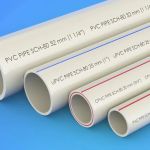 The Differences Between PVC, CPVC, and PEX Pipes: A Complete Comparison
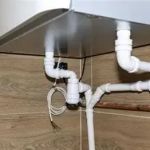 How to Repair a Condensation Issue on Cold Pipes
 How to Replace a Sink Trap That Rusted Through
 How to Install a New Showerhead: A Step-by-Step DIY Plumbing Guide
 How to Handle a Plumbing Leak: A Homeowner’s Emergency Guide
 Why Regular Pipe Inspections Are Essential for Your Home