
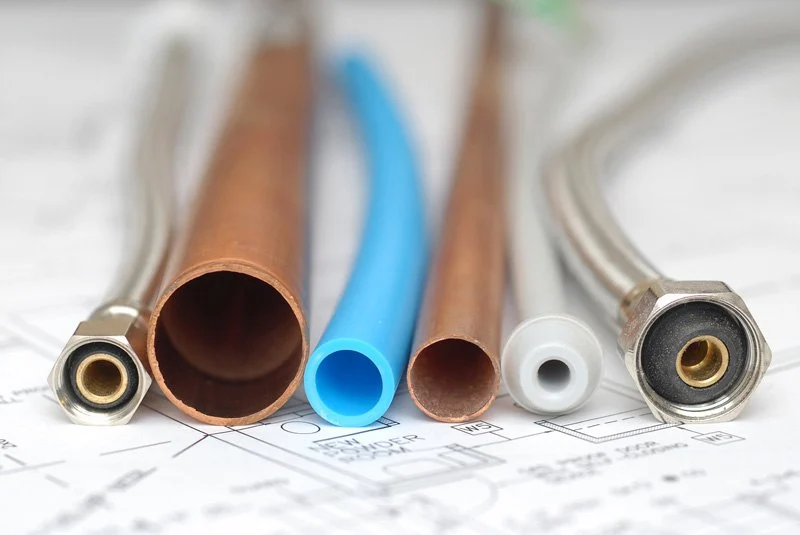
Understanding the Different Types of Plumbing Pipes and Their Benefits
- Introduction to Plumbing Pipes
- Common Types of Plumbing Pipes
- Choosing the Right Plumbing Pipe for Your Home
- Benefits of Proper Pipe Selection
- Plumbing Pipe Maintenance and Care
Introduction to Plumbing Pipes
Plumbing pipes are an essential part of every home or business. These pipes are responsible for transporting water and waste efficiently. The choice of pipe material plays a crucial role in the longevity, cost, and functionality of a plumbing system. Understanding the different types of plumbing pipes will help you make informed decisions about your plumbing needs.
Common Types of Plumbing Pipes
There are various types of plumbing pipes, each designed for specific purposes. Let’s explore the most common materials used in modern plumbing systems:

1. Copper Pipes
Copper pipes have been used in plumbing for many years due to their durability and resistance to corrosion. They are often used for both hot and cold water supply lines, offering reliability and long-term performance. Copper pipes are also relatively easy to install and are resistant to bacteria growth, making them a popular choice for residential plumbing systems.
2. PVC Pipes (Polyvinyl Chloride)
PVC pipes are lightweight, durable, and resistant to corrosion, making them a cost-effective option for plumbing systems. They are typically used for cold water lines, drainage systems, and venting. PVC pipes are easy to cut and install, which contributes to their popularity in both commercial and residential applications.
3. PEX Pipes (Cross-Linked Polyethylene)
PEX pipes are becoming increasingly popular in modern plumbing systems due to their flexibility, ease of installation, and resistance to freezing. PEX is ideal for both hot and cold water systems and is especially useful in retrofitting existing homes. PEX pipes are available in various sizes and are commonly used in new construction projects.
4. Galvanized Steel Pipes
Galvanized steel pipes were once a common choice for plumbing systems but are now being phased out due to their tendency to corrode over time. These pipes are made of steel coated with a layer of zinc to prevent rust. However, over time, the zinc coating wears off, leading to rust and clogs. If you have galvanized steel pipes in your home, it’s important to replace them with more modern materials to prevent plumbing issues.
5. CPVC Pipes (Chlorinated Polyvinyl Chloride)
CPVC pipes are similar to PVC but are treated with chlorine, making them more resistant to high temperatures. These pipes are typically used for hot and cold water lines in both residential and commercial applications. CPVC is cost-effective, easy to install, and can be used for systems where higher temperatures are expected, such as in hot water lines.
Choosing the Right Plumbing Pipe for Your Home
When choosing plumbing pipes for your home, it’s essential to consider the following factors:
- Cost: Some pipes, like copper, can be more expensive than others like PVC or PEX. Consider your budget when choosing materials.
- Location: Pipes used in outdoor environments may need to be more durable to withstand weather conditions. Similarly, pipes exposed to high temperatures may need to be heat-resistant.
- Longevity: Some pipes, like copper, have a long lifespan and are resistant to corrosion, while others, like galvanized steel, may need to be replaced sooner due to rust.
Benefits of Proper Pipe Selection
Choosing the right type of plumbing pipe can offer numerous benefits:
- Durability: Pipes like copper and PEX are known for their durability, which can prevent frequent repairs and replacements.
- Cost-Effectiveness: PVC and CPVC pipes are affordable options that provide excellent performance for the cost.
- Improved Water Flow: Properly selected pipes can prevent clogs, leaks, and other plumbing issues, ensuring a smooth flow of water throughout your home.
Plumbing Pipe Maintenance and Care
Maintaining your plumbing pipes is essential to extend their lifespan and prevent costly repairs. Some basic maintenance tips include:
- Regularly check for leaks and cracks in pipes.
- Avoid using harsh chemicals that can damage pipes.
- Flush your pipes periodically to prevent buildup.
- Call a professional plumber if you notice signs of corrosion or damage.
For expert advice and high-quality plumbing products, visit Plumbers Supply Hub for the best plumbing solutions for your home.

 Courtesy Plumbing4.0 (1043 reviews)
 Flowmasters Plumbing4.0 (19 reviews)
 Horner Plumbing4.0 (40 reviews)
 CJ's Plumb Services3.0 (58 reviews)
 Family Pride Plumbing5.0 (18 reviews)
 Lay It Rite Plumbing4.0 (44 reviews)
 Why Your Garbage Disposal Is Jamming and How to Fix It
 How to Safely Drain a Water Heater Before Moving
 How to Install a Secondary Drain for Air Conditioners
 How to Locate Hidden Water Leaks in Walls or Ceilings: Tips for Homeowners
 How to Install a New Sink Faucet: DIY Guide for Homeowners
 What Causes Plumbing Noises? How to Quiet Your Pipes