
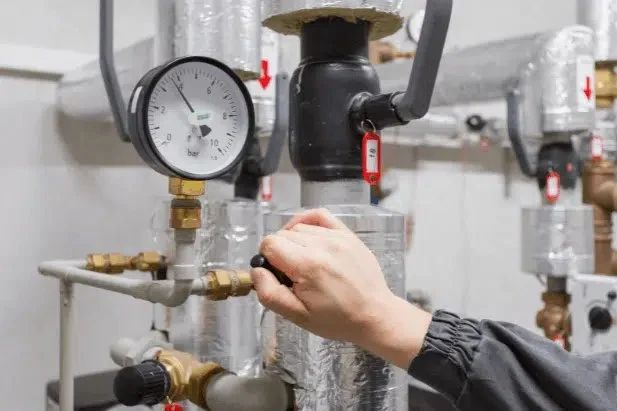
1. Understanding Water Pressure in Your Home
Water pressure is the force that pushes water through your pipes and into faucets, showerheads, and appliances. In a typical home, water pressure should be high enough to provide a strong flow but not so high that it causes damage to the plumbing. Water pressure is measured in pounds per square inch (psi), with the ideal range typically falling between 40-60 psi. Anything below this can lead to weak water flow, while anything higher can cause pipes to burst or leak.
Dymek's Freedom Plumbing, Inc
AnaheimOrange CountyCalifornia
2921 E Miraloma Ave #17, Anaheim, CA 92806, USA
2. Signs You Have Water Pressure Problems
There are several indicators that your home might be experiencing water pressure problems. Some common signs include:
- Low water flow: If water flows weakly from your faucets or showerheads, it could be a sign that the water pressure is low.
- Inconsistent pressure: Water pressure that fluctuates, such as a sudden drop or surge, can indicate a problem with the water supply or your plumbing system.
- No pressure: If you notice that your water is barely flowing from your taps or not at all, it’s a clear indication of a significant water pressure issue.
- Appliance issues: Low water pressure can affect appliances that rely on water, such as dishwashers and washing machines, making them less efficient.
3. How to Test Your Home’s Water Pressure
Testing your home’s water pressure is a simple process that you can do yourself. You’ll need a water pressure gauge, which can be purchased at most hardware stores. Here’s how to test your water pressure:
- Attach the gauge: Screw the pressure gauge onto an outdoor faucet or any faucet that provides direct water access. If you can’t find an outdoor faucet, you can use an indoor one, but make sure it’s the one closest to the main water line.
- Turn on the faucet: Turn the faucet on all the way to allow water to flow through the gauge. Be sure there’s no obstruction or other faucets open.
- Read the gauge: Once the water is flowing, read the pressure gauge. A typical reading should fall between 40-60 psi. If your reading is much lower than this, you may have low water pressure.
4. Common Causes of Low Water Pressure
There are several potential causes for low water pressure in your home. Some of the most common issues include:
- Clogged pipes: Over time, mineral buildup and debris can clog your pipes, restricting the flow of water and causing low water pressure.
- Faulty pressure regulator: If your home has a pressure regulator, it may become faulty over time, causing fluctuations in water pressure.
- Leaking pipes: If there are leaks in your plumbing, it can lead to a significant loss of water pressure. Leaks can occur in both visible and hidden pipes, making it important to check your entire system.
- Municipal water supply issues: If there are problems with the water supply from your utility company, such as maintenance or repairs, it can cause a temporary dip in water pressure.
5. Solutions to Fix Water Pressure Problems
If you’ve identified a water pressure problem, here are some common solutions to consider:
- Clean your pipes: If your pipes are clogged, cleaning them can restore proper water flow. You may need to call a plumber to clean out mineral deposits or debris from the pipes.
- Replace the pressure regulator: If you have a faulty pressure regulator, replacing it can help restore your water pressure to normal levels.
- Fix any leaks: If leaks are found in your plumbing system, repairing them should fix the pressure issue. Leaks in pipes can cause a significant loss of water pressure and increase your water bills.
- Install a water booster pump: If your home’s water pressure is consistently low, installing a water booster pump can help increase the flow and ensure adequate water pressure in your home.
- Consult with a professional: If you're unable to identify or fix the issue, consider calling a professional plumber to assess your system and recommend a solution.
 ASAP Plumbing Services0.0 (0 reviews)
 Mr. Rooter Plumbing of Orange County4.0 (504 reviews)
 Titan Brother's Plumbing & Rooter Services5.0 (1 reviews)
 Miller Sewer & Drain Cleaning LLC4.0 (118 reviews)
 Ted & Bros. Plumbing4.0 (478 reviews)
 Triple H Plumbing Ltd5.0 (16 reviews)
 How to Replace an In-Wall Shower Drain: Step-by-Step Guide
 How to Replace a Faulty Pressure Relief Valve: Step-by-Step Guide for Homeowners
 How to Replace a Spigot That Leaks Only When Turned On
 How to Choose a Reliable Plumber for Emergency Repairs
 How to Install a Water Softener: DIY Plumbing Tips
 How to Maintain Your Home’s Plumbing System to Avoid Unnecessary Costs