
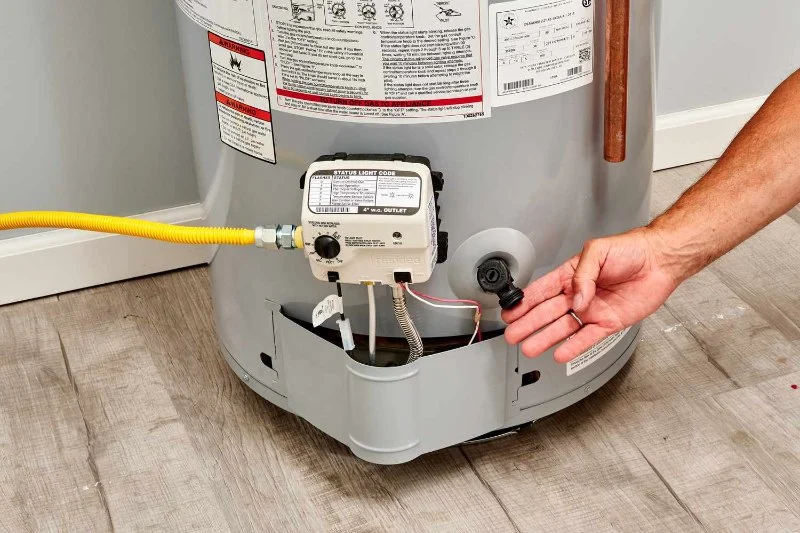
1. Introduction to Water Heater Leaks
Experiencing a water heater leak can be a frustrating and worrisome situation. A leaking water heater can cause water damage, high utility bills, and, in some cases, loss of hot water. Whether it's a slow drip or a significant flood, knowing what to do when your water heater starts leaking can help you address the issue quickly. In this article, we will discuss the common causes of water heater leaks, how to troubleshoot them, and the steps you can take to prevent further damage.
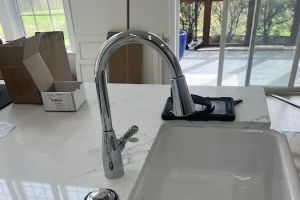
2. Common Causes of Water Heater Leaks
There are several reasons why your water heater might be leaking. Understanding the root cause of the leak is essential for determining the best course of action. Below are the most common causes:
2.1. Corroded Tank
One of the most common causes of a leaking water heater is corrosion inside the tank. Over time, the steel tank can rust due to the buildup of minerals and sediment from the water. Once the tank starts to corrode, it may develop holes or cracks, leading to leaks. Unfortunately, a corroded tank often requires a full replacement of the water heater.
2.2. Loose or Broken Drain Valve
The drain valve on your water heater is used for flushing out sediment and debris. If the valve becomes loose, broken, or worn out, it can lead to leaks. This issue can typically be fixed by replacing the valve or tightening it, depending on the extent of the damage.
2.3. Faulty Connections
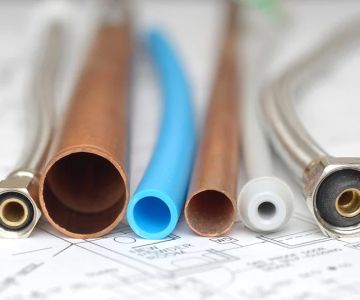
Sometimes, the leak may not be from the tank itself, but from the connections to the pipes. If the inlet or outlet connections are not properly secured or have become worn out, water may leak from these areas. Checking these connections and ensuring they are tightly sealed can prevent further leaks.
2.4. High Water Pressure
If your water pressure is too high, it can put excessive strain on your water heater, leading to leaks. The pressure relief valve (PRV) is designed to release excess pressure to prevent damage. If this valve fails, it may cause leaks around the valve or tank. A plumber can check and adjust the water pressure to the proper level to avoid damage.
3. What to Do When You Discover a Leak
Once you discover that your water heater is leaking, it's important to act quickly to prevent further damage. Follow these steps:
3.1. Turn Off the Power and Water Supply
For safety, the first thing you should do is turn off the power supply to your water heater. If you have an electric water heater, switch off the circuit breaker. For gas-powered heaters, turn off the gas supply. Additionally, turn off the water supply to the heater to stop the leak from getting worse.
3.2. Drain the Tank
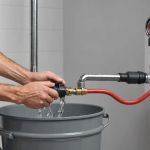
If the water heater has leaked significantly, you should drain the tank to prevent water damage. To do this, connect a hose to the drain valve at the bottom of the tank, direct the hose to a drain or outside, and open the valve to allow the water to drain out. Be cautious when draining hot water, as it can cause burns.
3.3. Assess the Damage
Once the tank is drained, you can assess the damage. If the leak is coming from the valve, pipe connections, or the drain valve, you may be able to fix it yourself by tightening or replacing the parts. However, if the leak is coming from the tank itself due to corrosion, you will need to replace the entire water heater.
4. When to Call a Professional Plumber
If you're unable to locate the source of the leak or if the issue requires replacing the water heater, it's time to call a professional plumber. A licensed plumber can diagnose the problem accurately, recommend the best solution, and perform any necessary repairs or installations safely. Don't attempt to repair a leaking water heater if you're unsure about the cause or how to fix it—water heater repairs require technical expertise.
5. Preventing Future Leaks
To avoid dealing with a leaking water heater in the future, consider the following preventive measures:
5.1. Regular Maintenance
Regular maintenance of your water heater, such as flushing the tank to remove sediment buildup, can help prolong its lifespan and prevent leaks. Schedule an annual checkup with a plumber to ensure your water heater is in good working condition.
5.2. Install a Water Softener
If you live in an area with hard water, consider installing a water softener. Hard water can accelerate corrosion inside the water heater tank, leading to leaks. A water softener will reduce mineral buildup and help extend the life of your water heater.
5.3. Monitor Water Pressure
Ensure your home's water pressure is within the recommended range (typically between 50 and 60 psi). High water pressure can strain your water heater and cause leaks. A plumber can install a pressure regulator to keep the pressure at a safe level.
6. Conclusion
A leaking water heater can cause significant damage if not addressed quickly. By understanding the causes of leaks and taking immediate action, you can minimize the impact of a leak and restore your water heater to proper working condition. For professional help, don't hesitate to contact a plumber for assistance. Visit 【Plumbers Supply Hub】 for the best plumbing solutions and services in your area.
 Courtesy Plumbing4.0 (1043 reviews)
 Flowmasters Plumbing4.0 (19 reviews)
 Horner Plumbing4.0 (40 reviews)
 CJ's Plumb Services3.0 (58 reviews)
 Family Pride Plumbing5.0 (18 reviews)
 Lay It Rite Plumbing4.0 (44 reviews)
 Why Your Garbage Disposal Is Jamming and How to Fix It
 How to Safely Drain a Water Heater Before Moving
 How to Install a Secondary Drain for Air Conditioners
 How to Locate Hidden Water Leaks in Walls or Ceilings: Tips for Homeowners
 How to Install a New Sink Faucet: DIY Guide for Homeowners
 What Causes Plumbing Noises? How to Quiet Your Pipes