
- - Importance-of-Regular-Pipe-Inspections
- - Common-Pipe-Problems-Homeowners-Face
- - Signs-You-Need-a-Pipe-Inspection
- - Benefits-of-Scheduling-Professional-Inspections
- - How-Often-Should-Pipes-Be-Inspected
- - Real-Life-Pipe-Inspection-Case-Studies
- - DIY-Checks-and-Maintenance-Tips
- - Advanced-Pipe-Inspection-Technologies
- - Preventive-Care-and-Cost-Savings
- - How-to-Find-Reliable-Professional-Plumbers
Importance of Regular Pipe Inspections
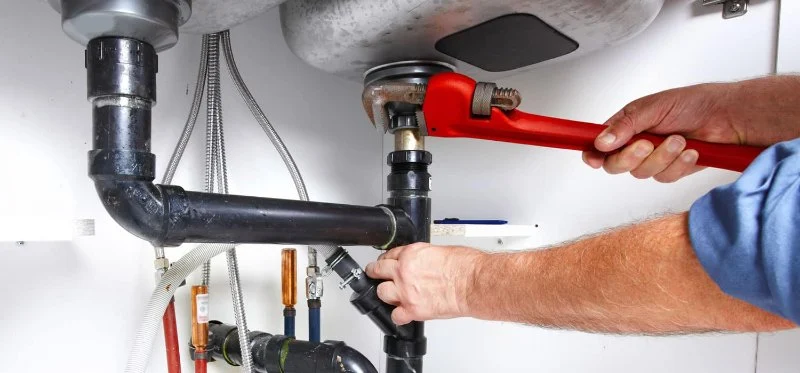
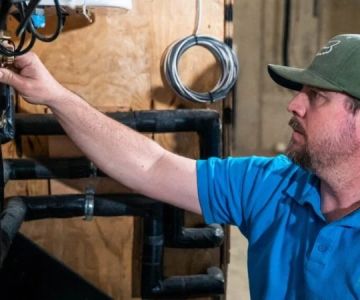
Regular pipe inspections are critical to maintaining a safe and efficient home plumbing system. Over time, pipes can experience corrosion, blockages, leaks, or wear that may not be immediately visible. Ignoring these issues can lead to serious water damage, mold growth, and costly repairs.
By scheduling periodic inspections, homeowners can identify and address minor problems before they escalate. Whether your pipes are made of copper, PVC, or galvanized steel, regular inspections ensure long-term durability and reliability.
Snitram Plumbing - Fontana Plumbing
FontanaSan Bernardino CountyCalifornia
15348 Crimson St, Fontana, CA 92336, USA
Common Pipe Problems Homeowners Face
1. Corrosion and Rust
Pipes, especially those made from metal, can corrode over time. Corrosion weakens pipe walls, making them prone to leaks and bursts. Homeowners often notice water discoloration or a metallic taste as an early warning sign.
2. Clogs and Blockages
Grease, hair, and debris can accumulate, causing slow drainage or complete blockages. Persistent clogs may require professional cleaning or pipe replacement.
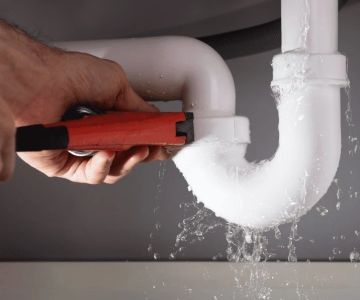
3. Leaks and Drips
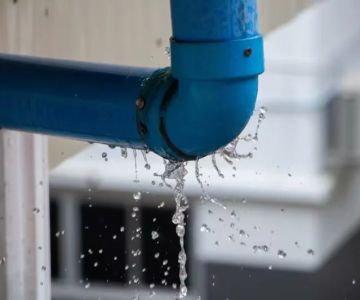
Leaking pipes can cause hidden water damage behind walls, under floors, or in ceilings. Early detection is key to preventing structural damage and mold growth.
Signs You Need a Pipe Inspection
- Unexplained increases in water bills
- Visible water stains or damp spots
- Slow-draining sinks, showers, or tubs
- Odd noises, such as banging or gurgling, in pipes
- Water discoloration or strange odors
Recognizing these signs early can prevent major plumbing emergencies. Professional inspections can pinpoint the source and extent of problems that may not be visible to the untrained eye.
Benefits of Scheduling Professional Inspections
1. Prevent Costly Repairs
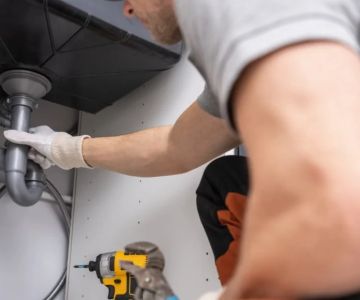
Professional inspections help detect potential issues early, allowing repairs before they become expensive emergencies. Fixing a minor leak now may prevent thousands of dollars in structural and water damage later.
2. Ensure Home Safety
Leaks, corrosion, or mold caused by faulty pipes can affect indoor air quality and health. Regular inspections protect your family by identifying hazards early.
3. Extend Pipe Lifespan
Routine maintenance preserves the integrity of your plumbing system, extending the life of pipes and reducing the need for premature replacements.
How Often Should Pipes Be Inspected
While recommendations vary based on pipe material and home age, most experts suggest a professional inspection every 2-3 years. Older homes or homes with frequent plumbing issues may benefit from annual inspections.
Inspections can be scheduled alongside other home maintenance tasks, such as HVAC or electrical checks, to ensure comprehensive home safety.
Real-Life Pipe Inspection Case Studies
Case Study 1: Hidden Leaks Behind Walls
A homeowner in Ohio noticed a slight increase in the water bill without visible leaks. A professional inspection revealed hidden leaks behind drywall, which were quickly repaired, saving the home from potential mold damage.
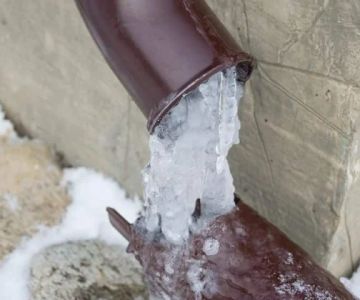
Case Study 2: Preventing Frozen Pipes
In Michigan, a regular pre-winter inspection identified exposed outdoor pipes at risk of freezing. Insulation and adjustments prevented costly pipe bursts during the winter months.
DIY Checks and Maintenance Tips
- Monitor water bills for unexpected increases
- Check under sinks and around water heaters for moisture
- Use drain strainers to prevent clogs
- Run water regularly in unused areas to avoid stagnation
- Keep an eye on water pressure; sudden changes can indicate issues
While these tips are helpful, professional inspections are essential to identify hidden or complex issues.
Advanced Pipe Inspection Technologies
Modern plumbing inspections often use advanced technology:
- Video camera inspections for internal pipe examination
- Leak detection sensors and acoustic equipment
- Thermal imaging to identify moisture behind walls
These tools enable accurate diagnosis without invasive procedures, reducing repair costs and inconvenience.
Preventive Care and Cost Savings
Regular inspections and preventive maintenance can save homeowners significant money over time. Detecting minor leaks early reduces water bills, prevents structural damage, and minimizes emergency repair costs.
Investing in preventive care ensures your plumbing system remains reliable, protecting both your home and your wallet.
How to Find Reliable Professional Plumbers
Finding a trusted plumber is crucial. Platforms like Plumbers Supply Hub offer verified listings, user reviews, and product recommendations to help homeowners choose reliable professionals for inspections and repairs. By using expert-reviewed services, you gain peace of mind knowing your pipes are in capable hands.
Regular pipe inspections are a small investment that can prevent major problems, protect your home, and maintain a safe, efficient plumbing system. Whether scheduling professional inspections or performing basic DIY checks, staying proactive ensures long-term peace of mind and cost savings.
 Watson & Sons Plumbing4.0 (31 reviews)
 Bills Plumbing & Sewer Inc.4.0 (226 reviews)
 Goedeke Plumbing3.0 (8 reviews)
 Real Deal Solutions, LLC5.0 (104 reviews)
 NIR Plumbing & Air Conditioning4.0 (146 reviews)
 Buckner Plumbing & Heating Inc4.0 (80 reviews)
 How to Prevent Plumbing Issues When Renovating Your Bathroom
 How to Fix a Running Toilet in Just a Few Simple Steps
 How to Fix a Dripping Faucet Without Calling a Plumber | Plumbers Supply Hub
 How to Choose Between Copper vs PEX for Plumbing: A Comprehensive Guide
 How to Detect When Your Plumbing Is Aging: Key Signs to Watch For
 Why Your Water Heater Is Making Noise and How to Fix It