
- 1-Recognizing-the-Signs-of-a-Broken-Pipe
- 2-Safety-Precautions-Before-Repairing-a-Broken-Pipe
- 3-Tools-and-Materials-Needed-for-Pipe-Repair
- 4-Step-by-Step-Guide-to-Fixing-a-Broken-Pipe
- 5-Temporary-Fixes-for-Emergency-Situations
- 6-Preventive-Maintenance-to-Avoid-Broken-Pipes
- 7-Professional-Intervention-When-Required
- 8-Case-Studies-and-Real-Life-Examples
- 9-Recommendations-and-Resources-Plumbers-Supply-Hub
1. Recognizing the Signs of a Broken Pipe
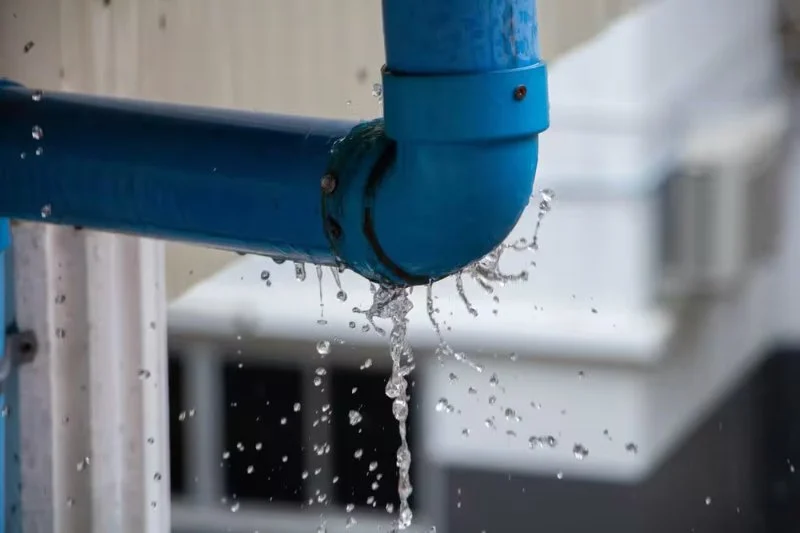
Broken pipes can cause severe water damage if not addressed promptly. Understanding early warning signs allows homeowners to react quickly and minimize destruction. Common indicators include unusual water pressure fluctuations, unexplained puddles or damp spots, water discoloration, and strange noises like hissing or dripping inside walls.
Visible Leaks and Moisture
Check areas near sinks, toilets, water heaters, and basement pipes for moisture accumulation. Even small drips can indicate a larger underlying problem. Timely recognition is essential to prevent mold growth and structural damage.
Water Pressure Changes
A sudden decrease in water pressure might suggest a pipe rupture or partial blockage. Conversely, unusual surges could indicate a weakened section of the pipe prone to breaking under stress.
2. Safety Precautions Before Repairing a Broken Pipe
Plumbing repairs involve water, pressure, and sometimes electricity. Safety should always come first. Before attempting any repair, turn off the main water supply and shut down electrical circuits in the affected area if necessary.
Protective Gear
Wear gloves, safety goggles, and clothing suitable for wet environments. If the pipe is corroded or old, consider wearing a dust mask to avoid inhaling rust or debris.
Assessing Structural Risk
Check the surrounding area for water damage that might compromise floors or walls. Avoid working under unstable conditions and always maintain a dry, safe workspace.
3. Tools and Materials Needed for Pipe Repair
Having the right tools and materials is crucial for successful pipe repair. Depending on the type of pipe—PVC, copper, or PEX—the repair method will vary.
Essential Tools
Common tools include pipe cutters, adjustable wrenches, pliers, pipe deburring tools, and a utility knife. For soldering copper pipes, a torch, flux, and solder are necessary. For PVC pipes, primer and cement are essential.
Materials for Repair
Materials include replacement pipe segments, couplings, compression fittings, and sealants. Rubber repair clamps are useful for temporary fixes and emergency situations. Always choose materials compatible with the pipe type and local plumbing codes.
4. Step-by-Step Guide to Fixing a Broken Pipe
Step 1: Shut Off Water Supply
Locate the main water shutoff valve and turn it off completely. Drain the system by opening faucets at the lowest and highest points in your home to remove remaining water.
Step 2: Identify the Damaged Section
Inspect the pipe to determine the exact location of the break. Mark the section to be removed, ensuring you include any visibly weakened areas.
Step 3: Cut Out the Damaged Pipe
Use a pipe cutter or hacksaw to remove the broken section. Ensure the cut is clean and straight to allow for proper fitting of the replacement piece.
Step 4: Prepare and Install Replacement
For copper pipes, deburr the edges, apply flux, and solder the new section. For PVC, clean, apply primer, and cement the replacement piece. For PEX, use the appropriate fittings and crimping tools.
Step 5: Test the Repair
Slowly turn on the main water supply and check for leaks. Monitor the repaired section for pressure changes or signs of moisture for the next few hours to ensure stability.
5. Temporary Fixes for Emergency Situations
If professional help is not immediately available, temporary fixes can reduce damage until a permanent solution is implemented.
Using Rubber Patches or Repair Clamps
Wrap the damaged area with a rubber patch or use a repair clamp. Ensure the area is dry and clean before applying, and turn on water slowly to prevent additional stress on the pipe.
Pipe Sealant and Epoxy
Epoxy compounds designed for pipe repair can seal minor cracks temporarily. Follow the product instructions carefully for best results.
6. Preventive Maintenance to Avoid Broken Pipes
Regular maintenance reduces the likelihood of unexpected pipe failures. Simple steps include insulating exposed pipes, checking for corrosion, and maintaining consistent water pressure.
Winter Pipe Protection
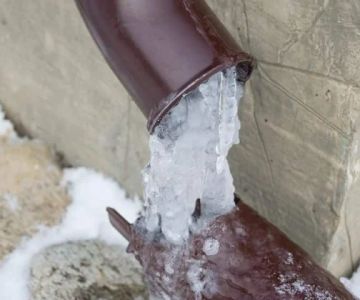
In cold climates, insulate pipes in basements, attics, and crawlspaces. Allow a small water flow in extreme temperatures to prevent freezing and potential bursts.
Routine Inspection
Check all pipes for signs of wear, leaks, or corrosion. Replace aged pipes before they fail and schedule annual professional inspections.
7. Professional Intervention When Required
Some pipe damage is too complex for DIY repair, including major leaks, inaccessible pipes, or old plumbing systems. A licensed plumber ensures repairs meet code, last longer, and prevent further damage.
Benefits of Professional Help
Professional plumbers provide accurate diagnosis, access to specialized tools, and permanent solutions. They also minimize the risk of personal injury and water damage.
8. Case Studies and Real-Life Examples
Real-life experiences highlight the importance of proper pipe repair and preventive measures.
Case 1: Burst Copper Pipe in Kitchen
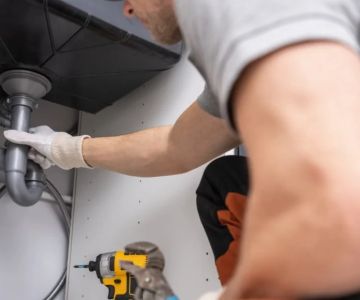
A homeowner ignored minor leaks under the sink. One morning, the pipe burst, flooding the kitchen. Emergency repair and replacement cost $1,800, whereas prior maintenance could have prevented it.
Case 2: Temporary PVC Patch
In Florida, a PEX pipe cracked behind a wall. A temporary epoxy patch allowed the homeowner to contain the leak until a professional installed a permanent replacement. Damage was minimized, demonstrating the value of emergency solutions.
Case 3: Preventive Replacement
An older home in Texas underwent annual plumbing inspections. The plumber identified weakened copper pipes and replaced them preemptively. No major leaks occurred for the next ten years, proving the effectiveness of routine maintenance.
9. Recommendations and Resources – Plumbers Supply Hub
Plumbers Supply Hub offers a wide range of high-quality plumbing repair products, including pipe fittings, repair clamps, epoxy compounds, and professional tools. Homeowners can access reliable resources to perform both emergency and routine plumbing repairs safely and effectively.
By following these detailed steps and maintaining preventive measures, homeowners can effectively fix broken pipes, avoid costly water damage, and maintain a healthy plumbing system year-round. Leveraging expert advice and trusted products from Plumbers Supply Hub ensures repairs are efficient and long-lasting.

 Medina Plumbing & Rooter4.0 (24 reviews)
 S&S Plumbing5.0 (6 reviews)
 Universal Plumbers5.0 (8 reviews)
 Dick Esser Plumbing & Heating Inc4.0 (12 reviews)
 FlowPros Sewer, Drain, & Repair Service4.0 (676 reviews)
 Hydro Brothers Jetter & Drains4.0 (53 reviews)
 How to Choose the Best Plumber for Your Needs: Expert Tips
 How to Replace a Tub Drain With Hair Trap Feature
 Plumbing Myths That Are Costing You Money
 How to Prevent Plumbing Problems in Your Garden and Outdoor Plumbing
 How to Install a New Garbage Disposal: Step-by-Step Plumbing Guide
 How to Fix Water Leaks Around a Bathtub Enclosure