
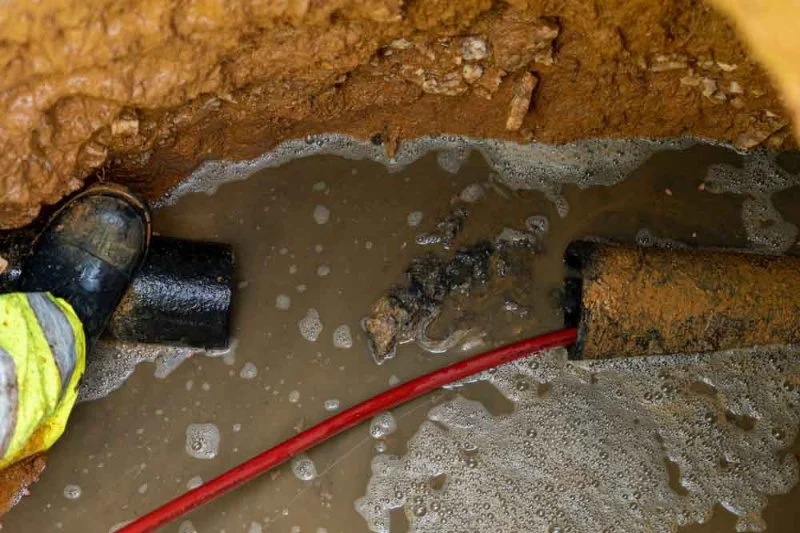
- 1. Understanding Sewer Line Clogs
- 2. Common Causes of Sewer Line Clogs
- 3. Signs Your Sewer Line Is Clogged
- 4. How to Clear a Clogged Sewer Line
- 5. Preventing Sewer Line Clogs
- 6. When to Call a Professional Plumber
1. Understanding Sewer Line Clogs
A clogged sewer line can cause serious issues for homeowners, leading to slow drainage, backups, and even sewage overflow. This essential part of your plumbing system carries waste and wastewater away from your home, so when it becomes clogged, the consequences can be inconvenient and potentially costly. In this section, we’ll explore how sewer lines function and why they’re prone to clogs. By understanding these factors, you’ll be better prepared to address any plumbing issues that arise.

2. Common Causes of Sewer Line Clogs
There are several reasons why your sewer line might get clogged. Some of the most common causes include:
- Tree roots: Roots from nearby trees often seek water and nutrients in your sewer line, growing into the pipes and causing blockages.
- Grease buildup: Over time, grease from cooking can accumulate in your pipes, leading to slow drainage and eventually clogs.
- Debris and waste: Flushing non-degradable materials like wipes, sanitary products, or even hair can obstruct your sewer line.
3. Signs Your Sewer Line Is Clogged
If you suspect your sewer line is clogged, look out for the following warning signs:
- Slow drains: If water drains slowly from sinks, bathtubs, or toilets, there may be a clog forming in your sewer line.
- Unpleasant odors: A foul smell coming from drains could indicate sewage backup in your pipes.
- Multiple clogs: If several fixtures are clogged at once, this could be a sign of a serious sewer line issue.
4. How to Clear a Clogged Sewer Line
There are a few DIY methods you can try before calling a plumber to clear a clogged sewer line:
- Plunging: Using a plunger on drains may help break up minor blockages.
- Snaking: A plumbing snake or auger can be used to break up or pull out clogs deeper in the pipes.
- Hydro jetting: Professional plumbers use high-pressure water jets to clean the inside of your sewer line and clear out debris.
5. Preventing Sewer Line Clogs
Preventing sewer line clogs can save you time, money, and headaches. Here are some simple tips to keep your pipes clear:
- Avoid flushing non-degradable items: Don’t flush anything other than toilet paper down the toilet.
- Dispose of grease properly: Avoid pouring grease down the kitchen sink. Instead, dispose of it in a container.
- Regular maintenance: Scheduling periodic drain cleaning or inspections can help identify potential problems early.
6. When to Call a Professional Plumber
While DIY methods can work for minor clogs, more serious issues require professional attention. If you’ve tried the above methods and your sewer line remains clogged, or if you experience frequent clogs, it’s time to call a plumber. They have the tools and expertise to accurately diagnose and fix sewer line problems. Plumbers Supply Hub offers a wide range of plumbing services and products to help you solve your sewer line issues efficiently and professionally.
 Long Lake Plumbing LLC4.0 (7 reviews)
 Haines Drains Plumbing And Drain Cleaning3.0 (44 reviews)
 Vesi Works Plumbing - Plumber in Delano, MN4.0 (36 reviews)
 D W Plumbing4.0 (4 reviews)
 Paul L Buddy Plumbing & Heating4.0 (12 reviews)
 Ackerman Plumbing4.0 (123 reviews)
 How to Replace a Plastic Pipe Fitting That Fails
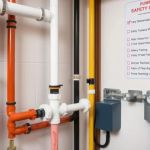 Plumbing Safety Tips for Homeowners Tackling DIY Projects | Safe Plumbing Solutions
 How to Detect When Your Plumbing Is Undersized
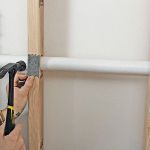 How to Reroute Plumbing for a Kitchen Island: A Step-by-Step Guide
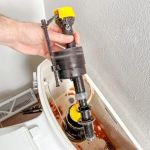 How to Replace a Toilet Fill Valve Quietly
 How to Handle a Plumbing Leak: A Homeowner’s Emergency Guide