
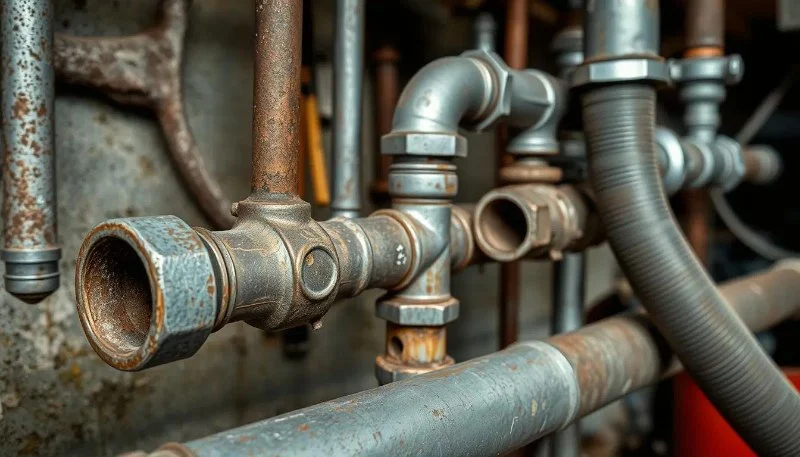
How to Replace a Galvanized Pipe in Your Home
- 1. Why Replace Galvanized Pipes?
- 2. Tools and Materials Needed
- 3. Step-by-Step Guide to Replacing Galvanized Pipes
- 4. Common Challenges and Solutions
- 5. When to Call a Professional
- 6. How Plumbers Supply Hub Can Help
1. Why Replace Galvanized Pipes?
Galvanized pipes were once the standard in plumbing, but over time, they can become corroded and clogged with mineral deposits, leading to poor water quality, reduced water pressure, and even pipe leaks. The corrosion in galvanized pipes is particularly problematic as it can lead to leaks, water contamination, and other costly damage. Replacing these old pipes with modern materials like PEX or copper can significantly improve the safety and efficiency of your home's plumbing system.
2. Tools and Materials Needed
Before starting the replacement of your galvanized pipes, gather the following tools and materials:
- Pipe cutter or hacksaw
- Adjustable wrenches
- Pipe fittings (new PEX or copper pipes)
- Pipe thread sealant or Teflon tape
- Pipe bender (if using PEX)
- Pliers
- Bucket or towels to catch any residual water
- Pipe insulation (optional, but recommended for better efficiency)
Having these tools ready will help you carry out the replacement smoothly and ensure that the new plumbing lasts for years to come.
3. Step-by-Step Guide to Replacing Galvanized Pipes
Replacing a galvanized pipe involves several steps. Follow this guide to make the process easier:
ARK Plumbing
Huntington BeachOrange CountyCalifornia
5132 Bolsa Ave #106, Huntington Beach, CA 92649, USA
Step 1: Turn Off the Water Supply
Before you begin, it’s crucial to turn off the water supply to the area where the pipe replacement will take place. Shut off the main water valve and drain any remaining water from the pipes to avoid leaks during the process.
Royal Plumber Signal Hill
Signal HillLos Angeles CountyCalifornia
2110 Sea Ridge Dr, Signal Hill, CA 90755, USA
Step 2: Remove the Galvanized Pipe
Use a pipe cutter or hacksaw to cut out the section of the galvanized pipe you want to replace. Be careful to make a clean, straight cut, and remove any burrs that could damage the new pipe. You may need to disconnect the old pipe fittings using adjustable wrenches, taking extra care not to damage surrounding pipes.
Step 3: Install the New Pipe
Once the old pipe is removed, measure the new pipe to the correct length, making sure it fits properly in the space. If you’re using PEX, use a pipe bender to create any necessary curves. Secure the new pipe with the appropriate fittings, ensuring that the connections are tight. Apply pipe thread sealant or Teflon tape to threaded connections to prevent leaks.
Step 4: Test for Leaks
After the new pipe is installed, turn the water supply back on and check for any leaks. If any are found, tighten the connections further and test again. It’s important to ensure all fittings are secure before using the water system fully.
4. Common Challenges and Solutions
While replacing galvanized pipes can be a straightforward process, there are a few common challenges that may arise:
- Stubborn Fittings: If the pipe fittings are rusted or seized, applying penetrating oil or heat to loosen them can help. Be cautious with heat to avoid damaging nearby pipes or fittings.
- Corroded Pipe Sections: Some parts of the pipe may be heavily corroded, making it difficult to get a clean cut. Using a hacksaw and working slowly can help you cut through stubborn sections.
- Incorrect Pipe Sizing: Double-check your measurements before cutting the new pipe. Incorrect sizing can lead to a poor fit and the need for additional modifications.
5. When to Call a Professional
While replacing galvanized pipes can be a DIY task for those with experience, it’s important to know when to call in a professional plumber. If the job involves complicated fittings, difficult-to-reach pipes, or you encounter persistent leaks, it’s better to rely on an expert to avoid costly mistakes. A licensed plumber will have the necessary tools and expertise to ensure the job is done correctly and safely.
6. How Plumbers Supply Hub Can Help
If you’re planning to replace galvanized pipes in your home, Plumbers Supply Hub is your one-stop shop for all the materials and tools you need. We offer a wide range of pipes, fittings, and plumbing supplies to make your job easier. Whether you’re a DIY enthusiast or a professional plumber, our quality products will ensure that your pipe replacement goes smoothly. Visit Plumbers Supply Hub to find everything you need to replace your galvanized pipes today!
 Citywide Plumbing And Water heaters4.0 (32 reviews)
 RIGHTWAY PLUMBING4.0 (187 reviews)
 Wabash Valley Plumbing4.0 (140 reviews)
 Silver Tree Plumbing & Heating4.0 (94 reviews)
 PipeWorks LLC5.0 (91 reviews)
 Terry's Plumbing4.0 (10 reviews)
 How to Repair a Sink That Drains Faster Than Faucet: Fixing Plumbing Issues Efficiently
 How to Fix Water Leaks Around a Bathtub Enclosure
 How to Clean Sediment Build-Up in Household Pipes
 How to Replace a Broken Pipe Bedding Under Floor: A Complete Guide
 How to Install a Water Meter for Irrigation
 Common Causes for Low Hot Water Volume and Solutions for Homes and Businesses