
Sump Pump Discharge Line: Check the Exit, Freeze Risk, and Backup Plan
On this page
Quick answer
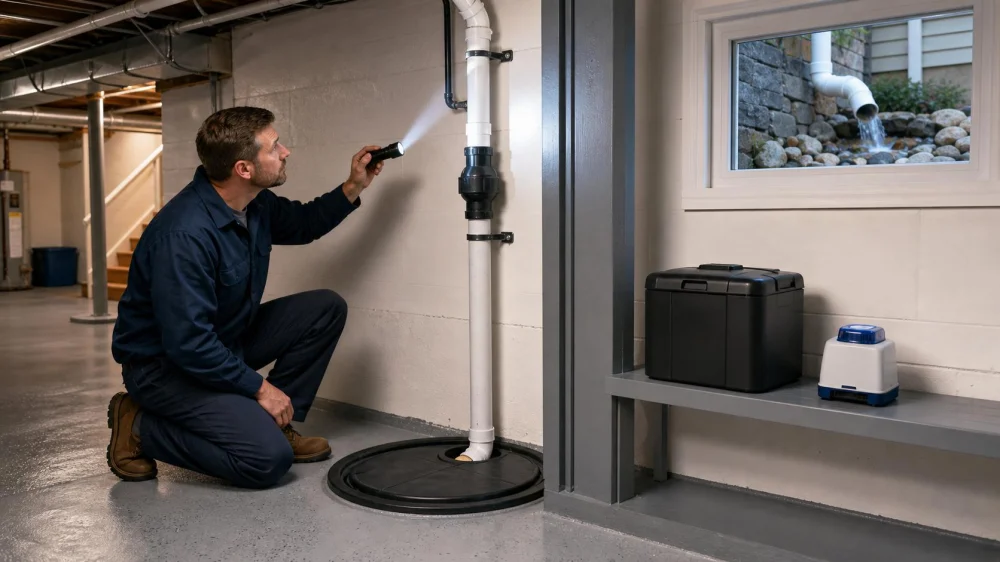
A sump pump can run but still fail to protect a basement if the discharge line is blocked, frozen, disconnected, leaking, too restrictive, or returning water toward the foundation. Trace the line from pump to final outlet, check visible joints and the check valve, confirm the exit is open and legal, and observe a controlled test using the manufacturer’s instructions.
Do not enter floodwater or handle powered equipment in a wet area. Do not cap the outlet, remove the check valve, or redirect water to a sewer, sidewalk, roadway, or neighboring property without confirming local rules.
Map the entire discharge route
Photograph the pump, pit cover, power source, check valve, vertical rise, wall penetration, exterior pipe, buried segment if known, and final outlet. Mark inaccessible or unknown portions. Note pipe diameter and material, visible elbows, flexible sections, low points, and whether another pump shares the route.
Outside, identify where water goes in dry weather and during rain. Look for erosion, settlement, ponding, foundation wetting, icing risk, buried outlet covers, vegetation intrusion, and discharge recirculating into the drainage system. Confirm the property owner’s maintenance responsibility and any municipal restrictions.
Inspect without disabling protection
- Keep the area around the pit dry and accessible.
- Look for cracked pipe, loose clamps, dripping joints, vibration, or an unsupported run.
- Check that the pit cover and cord arrangement match the manufacturer and local requirements.
- Confirm the exterior outlet is unobstructed by soil, leaves, snow, ice, nests, or stored objects.
- Test only by the approved method; never reach into an energized pit.
- Observe whether water leaves promptly and whether the line drains or holds water afterward.
- Listen for rapid cycling, hammering, grinding, or water rushing back after shutoff.
A check valve can reduce return flow, but its type, direction, access, and installation must suit the pump. Repeated short cycling can reflect return water, an incorrectly set float, pit conditions, or system sizing.
Plan for storms and freezing
Before wet weather, clear the outlet, verify safe drainage, and test alarms and backup equipment according to their manuals. In freezing climates, identify exposed pipe, low spots, undersized fittings, and extensions that retain water. Never use flame or an unsafe heater on frozen plastic piping.
If the line freezes, switch off the pump only when needed to prevent damage and when doing so will not create an immediate flooding hazard; contact a qualified plumber promptly. Temporary discharge changes must still protect the building, people, neighboring property, and local drainage system.
Document backup and response
Ready.gov advises homeowners to consider a sump pump with a battery as part of flood preparation. See its flood preparedness guidance. Backup selection depends on inflow, pumping head, expected outage duration, maintenance, and alarm needs—not just battery branding.
Write a response plan with the plumber, electrician, insurer, utility, and emergency contacts. Include high-water alarm actions, safe shutdown rules, where valuables can be moved, and when occupants must avoid the basement. Test batteries and alarms on their documented schedule and record replacement dates.
Inspection checklist
- Pump-to-outlet route photographed
- Unknown or buried sections marked
- Pipe supports, joints, and check valve inspected
- Outlet clear and locally permitted
- Foundation, erosion, neighbor, road, and icing risks checked
- Controlled test completed safely
- Short cycling and return flow recorded
- Alarm and backup power tested
- Storm and freeze response contacts saved
Limitations
This article cannot size a pump, diagnose a hidden line, verify electrical safety, or approve an outlet. Inflow, head height, pipe geometry, flood risk, soil, frost, code, and power supply vary. Floodwater can carry electrical and contamination hazards; use local emergency guidance.
FAQ
Can the outlet end next to the house?
That can recycle water toward the foundation. A qualified professional should choose a lawful safe destination and setback.
Why does the line bang?
Return flow, check-valve behavior, unsupported pipe, or rapid cycling may contribute. Record timing and request service.
Should I bury the discharge pipe?
Only with a design that preserves drainage, freeze protection, access, outlet capacity, and local compliance.
Does a battery backup prevent every flood?
No. Capacity, maintenance, outage length, inflow, blockage, and discharge conditions still matter.
What if water is near wiring?
Do not enter or touch equipment. Follow emergency and utility guidance and call qualified help.
Evidence notes
FEMA materials recognize discharge piping, check valves, pump capacity, and emergency power as parts of sump system design. Property-specific evidence includes route photos, outlet location, test observations, pump model, head and pipe data, alarm history, battery records, rainfall, and any high-water or power-loss event.
Conclusion
Sump protection extends beyond the pump. Trace the complete discharge route, keep its outlet safe and open, plan for frost and power loss, and test without entering wet electrical hazards. Record what happens so service decisions are based on the actual system.




 Aaron's Plumbing4.0 (658 reviews)
 JS Plumbing4.0 (60 reviews)
 Rapid Plumbers Irvine5.0 (14 reviews)
 Plumb Rite4.0 (38 reviews)
 Speedy Sewer & Plumbing3.0 (5 reviews)
 LC Doctor Plumber Inc.5.0 (12 reviews)
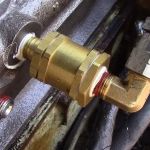 How to Replace an In-Line Check Valve: A Step-by-Step Guide for Homeowners
 Plumbing Maintenance Tips to Avoid Expensive Repairs
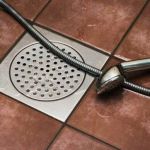 How to Replace an In-Wall Shower Drain
 When Multiple Slow Drains May Signal a Main Sewer Problem
 How to Replace a Mixing Valve for Tempered Water
 How to Install a New Sink Faucet: A Beginner’s Guide