
- understanding-high-water-usage-and-hidden-costs
- common-causes-of-high-water-consumption
- detecting-plumbing-leaks-before-they-increase-bills
- upgrading-water-saving-plumbing-fixtures
- improving-water-heater-efficiency-and-energy-use
- daily-habits-that-reduce-water-usage
- when-professional-plumbing-solutions-make-sense
- building-a-more-efficient-home-plumbing-system
Understanding High Water Usage and the Hidden Costs Behind It
Many homeowners do not realize how much water their household actually uses until a utility bill suddenly arrives that looks far higher than expected. A small increase in daily water consumption can quickly become a major expense, especially in areas where water rates continue to rise. Learning practical plumbing tips for dealing with high water usage and utility costs can help homeowners protect their budget while creating a more efficient home.
High water usage is not always caused by obvious problems like a running toilet or a leaking pipe under the sink. In many homes across the United States, water waste happens quietly through aging plumbing components, inefficient fixtures, unnoticed leaks, and outdated appliances. These problems may seem minor individually, but together they can add hundreds of dollars to annual utility expenses.
A homeowner in Arizona shared a common experience after noticing that their monthly water bill had increased for several months in a row. They assumed the higher cost came from seasonal gardening, but a plumbing inspection revealed a slow toilet leak that was wasting thousands of gallons of water every month. After replacing the faulty parts, their water usage dropped significantly without changing their daily routines.
This type of situation is more common than many people expect. The good news is that reducing water waste does not always require a complete plumbing renovation. Small improvements, regular maintenance, and better awareness can create noticeable savings.
Why Water Costs Continue Rising for American Homes
Water bills are influenced by several factors, including local water supply costs, infrastructure improvements, conservation programs, and household consumption patterns. Some cities have increased water rates as they invest in repairing aging systems and preparing for changing environmental conditions.
Because utility companies typically charge based on usage, every unnecessary gallon matters. A dripping faucet that seems harmless can waste dozens of gallons each month, while hidden leaks behind walls or underground can create much larger problems.
Common Signs Your Home May Be Using Too Much Water
Before making expensive changes, homeowners should pay attention to warning signs that indicate excessive water consumption. These signs include:
- Water bills increasing without major lifestyle changes
- The water meter moving when all fixtures are turned off
- Frequently running toilets
- Low water pressure combined with unusual moisture
- Wet spots in yards without a clear explanation
- Water heaters working harder than normal
Identifying these problems early can prevent unnecessary expenses and protect the plumbing system from long-term damage.
Common Causes of High Water Consumption in Residential Plumbing
Understanding where water waste comes from is the first step toward solving the problem. Many homeowners focus only on visible leaks, but inefficient plumbing systems can waste water in several different ways.
1. Hidden Pipe Leaks and Aging Plumbing Systems
Older homes often contain plumbing materials that naturally deteriorate over time. Pipes may develop tiny cracks, loose connections, or corrosion that allows water to escape slowly. Because these leaks are often hidden inside walls, ceilings, or beneath flooring, homeowners may not notice them until significant damage occurs.
A small pipe leak can waste hundreds of gallons of water each month. More importantly, it can increase the risk of mold growth, structural damage, and expensive repairs.
Regular plumbing inspections are especially valuable for homes that are more than 20 years old. Professional plumbers can identify weak areas and recommend repairs before they become emergencies.
2. Inefficient Toilets and Excessive Flushing
Toilets are one of the largest sources of household water consumption. Older models installed before modern efficiency standards may use several gallons more per flush compared with newer high-efficiency designs.
A toilet that continues running after flushing is another major concern. The constant flow may not be loud enough to notice, but over time it can dramatically increase water usage.
3. Outdated Faucets and Shower Fixtures
Bathroom and kitchen fixtures play an important role in daily water consumption. Older faucets and showerheads may deliver more water than necessary, causing higher bills without improving performance.
Modern water-efficient fixtures are designed to maintain strong pressure while using less water. This means homeowners can enjoy comfortable showers and convenient kitchen use while reducing waste.
Detecting Plumbing Leaks Before They Increase Utility Bills
One of the most effective plumbing tips for dealing with high water usage and utility costs is learning how to identify leaks early. Many expensive plumbing problems begin as small issues that are easy to overlook.
Performing a Simple Home Leak Check
Homeowners can perform basic leak checks without special equipment. Start by turning off all faucets, appliances, and water-using devices. Then check the water meter. If the meter continues moving, there may be a hidden leak somewhere in the system.
Another useful method is checking toilets with food coloring. Add a few drops of coloring into the toilet tank and wait about 15 minutes without flushing. If the color appears in the bowl, the toilet flapper or internal components may need replacement.
Why Small Leaks Become Expensive Problems
Many people delay repairs because a dripping faucet or slow leak seems insignificant. However, plumbing problems rarely fix themselves. A small leak can increase water bills while also damaging fixtures, cabinets, floors, and walls.
Professional plumbing services can help locate difficult leaks using specialized inspection methods. Working with trusted suppliers such as Plumbers Supply Hub can also help homeowners find reliable plumbing components and replacement parts designed for long-term performance.
Upgrading Water-Saving Plumbing Fixtures for Better Efficiency
Replacing outdated fixtures is one of the easiest ways to reduce water consumption without changing everyday habits. Modern plumbing technology has improved significantly, allowing homeowners to save water while maintaining comfort and convenience.
High-Efficiency Toilets
High-efficiency toilets use less water per flush compared with traditional models. Many newer designs also provide stronger flushing performance, eliminating the common concern that saving water means sacrificing function.
For families with multiple bathrooms, upgrading toilets can create noticeable savings over time. The investment may also increase the overall value of the home by improving efficiency.
Low-Flow Showerheads and Faucets
Low-flow fixtures reduce the amount of water used during showers and hand washing while maintaining a comfortable experience. These upgrades are especially helpful in households where multiple people use bathrooms throughout the day.
A family of four may save thousands of gallons annually by replacing outdated showerheads and faucets with efficient models.
Smart Plumbing Technology
Smart home technology is becoming increasingly popular in residential plumbing. Leak detection devices, automated shutoff valves, and water monitoring systems allow homeowners to track usage and respond quickly to potential problems.
These tools provide valuable information and can prevent costly damage caused by unexpected leaks.
Improving Water Heater Efficiency and Reducing Energy Costs
Water usage is closely connected to energy consumption because heating water requires significant power. An inefficient water heater can increase both water and energy bills.
Maintaining the Water Heater Regularly
Regular maintenance helps water heaters operate efficiently. Sediment buildup inside the tank can reduce performance and force the system to work harder.
Flushing the tank periodically, checking temperature settings, and inspecting components can improve efficiency and extend the equipment’s lifespan.
Choosing the Right Water Heater Settings
Many homeowners keep their water heater temperature higher than necessary. Adjusting the temperature to an efficient setting can reduce energy consumption while still providing comfortable hot water.
Proper insulation around hot water pipes can also reduce heat loss and help water reach faucets faster.
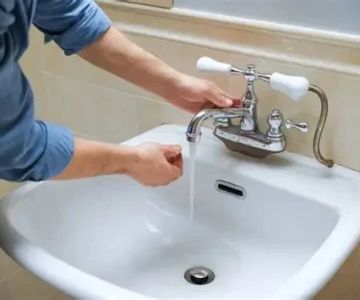
 City Sanitary Sewer Cleaning4.0 (51 reviews)
 Walt Bierman Plumbing LLC4.0 (21 reviews)
 Best Plumbing Los Angeles5.0 (1 reviews)
 RIVO, Inc.4.0 (208 reviews)
 The Water Heater Place4.0 (5 reviews)
 CityWide Plumbing Service and Backflow Testing0.0 (0 reviews)
 How to Prevent Settling Damage to Plumbing Joints: Tips and Solutions
 How to Replace a Showerhead: Easy DIY Plumbing Fix for Homeowners
 How to Inspect Plumbing After a Flood Event | Essential Steps for Homeowners
 Top 5 Plumbing Tools Every Homeowner Should Have in Their Toolbox
 The Ultimate Guide to Installing a New Garbage Disposal Unit
 Hurricane Plumbing Tips to Protect Your Home Plumbing System