
- 1-understanding-unwanted-water-pressure-problems
- 2-common-signs-of-plumbing-pressure-problems
- 3-main-causes-of-low-water-pressure
- 4-main-causes-of-high-water-pressure
- 5-step-by-step-plumbing-troubleshooting-methods
- 6-essential-tools-and-equipment-for-pressure-repair
- 7-when-to-contact-a-professional-plumber
- 8-how-to-prevent-future-water-pressure-problems
- 9-selecting-the-right-plumbing-products-and-solutions
1. Understanding Unwanted Water Pressure Problems
A reliable plumbing system is one of the most important parts of a comfortable home. Every day, homeowners depend on consistent water pressure for showers, kitchen tasks, laundry, cleaning, and countless other activities. When water pressure suddenly becomes too weak or unexpectedly strong, it can create frustration and may indicate a larger plumbing issue.
Plumbing Troubleshooting: How to Handle Unwanted Water Pressure Problems begins with understanding what water pressure actually means. Water pressure refers to the force that pushes water through pipes and fixtures. A properly balanced plumbing system delivers enough pressure for daily activities without placing unnecessary stress on pipes, valves, and appliances.
Many homeowners first notice pressure problems when a shower becomes uncomfortable, a faucet produces only a small stream of water, or appliances take longer to operate. Others may experience the opposite problem, such as loud pipes, leaking fixtures, or sudden bursts of water from faucets.
Although some pressure issues are simple to correct, others may signal problems inside the plumbing network. Learning the basics of troubleshooting helps homeowners identify problems early and make better decisions about repairs.
Wente Plumbing and Fire Protection
EffinghamEffingham CountyIllinois
1700 S Raney St, Effingham, IL 62401, USA
Why Balanced Water Pressure Matters
Water pressure that is too low can affect convenience and daily routines. A weak shower stream may make bathing frustrating, while slow-filling appliances can increase water usage and operating time.
High water pressure creates a different type of concern. Excessive pressure forces plumbing components to work harder than designed. Over time, this stress can damage pipes, seals, water heaters, washing machines, and other connected equipment.
A balanced system protects both comfort and investment. Maintaining proper pressure is not only about convenience; it is also about extending the lifespan of the entire plumbing system.
Common Residential Water Pressure Challenges
Homes across the United States experience water pressure problems for many different reasons. Older houses may have aging pipes, mineral buildup, or outdated plumbing components. Newer homes may experience issues caused by installation problems, incorrect settings, or changes in municipal water supply.
Seasonal changes can also influence pressure. During periods of high water demand, some neighborhoods may experience temporary pressure reductions. Extreme weather conditions can also affect underground pipes and plumbing performance.
For homeowners searching for reliable plumbing supplies and replacement components, Plumbers Supply Hub provides access to products that support different repair and maintenance needs.
2. Common Signs of Plumbing Pressure Problems
Recognizing warning signs early is one of the most effective ways to avoid expensive plumbing repairs. Many homeowners ignore small changes until they become major problems.
Signs of Low Water Pressure
Low water pressure usually appears gradually. Homeowners may notice that faucets no longer produce the same flow they once did or that multiple fixtures lose strength when used at the same time.
Common signs include:
- Weak shower performance
- Slow-filling toilets or appliances
- Reduced water flow from kitchen faucets
- Pressure drops when multiple fixtures run together
- Uneven water flow throughout the home
A sudden drop in pressure may indicate a leak, broken pipe, valve problem, or issue with the water supply connection. A gradual decrease often points toward buildup inside pipes or aging plumbing components.
Signs of Excessive Water Pressure
High pressure is sometimes less obvious because fixtures may appear to work normally at first. However, homeowners may eventually notice signs that indicate too much force inside the plumbing system.
Warning signs include:
- Banging or knocking sounds inside pipes
- Leaking faucets or fixtures
- Frequent toilet valve failures
- Water heater problems
- Appliance damage or shortened lifespan
A common situation involves homeowners hearing loud noises after turning off a faucet. This may be caused by water hammer, where fast-moving water suddenly stops and creates pressure waves inside pipes.
3. Main Causes of Low Water Pressure
Low water pressure can come from several sources. Finding the correct cause is the first step toward an effective solution.
1. Mineral Buildup and Clogged Fixtures
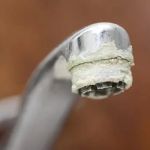
One of the most common causes of reduced water flow is mineral accumulation. Hard water contains minerals that can slowly collect inside pipes, showerheads, and faucet aerators.
Over time, these deposits restrict water movement and reduce pressure. Cleaning or replacing affected fixtures can sometimes restore normal flow without requiring major repairs.
2. Aging or Corroded Pipes
Older plumbing systems may experience internal corrosion that limits water movement. Certain materials used in older homes can deteriorate over decades, creating narrow pathways for water.
If multiple fixtures throughout the home experience low pressure, the problem may involve the main plumbing system rather than a single faucet.
3. Municipal Water Supply Issues
Sometimes the issue is not inside the home. Changes in city water systems, nearby construction, or neighborhood demand can influence available pressure.
Before making repairs, homeowners should determine whether the problem affects only their property or multiple homes in the area.
4. Main Causes of High Water Pressure
High water pressure can be just as problematic as low pressure. Many homeowners focus only on improving flow but overlook the importance of controlling excessive force.
1. Faulty or Missing Pressure Regulator
Many residential plumbing systems use a pressure-reducing valve to control incoming water pressure. When this component fails, pressure can rise beyond safe levels.
A malfunctioning regulator may require adjustment or replacement depending on the condition of the system.
2. Changes in Public Water Systems
Municipal water pressure can change over time. Infrastructure improvements, neighborhood development, or system adjustments may increase pressure entering residential plumbing.
Homeowners who notice new pressure issues after local changes should consider checking their system with appropriate testing equipment.
3. Thermal Expansion Problems
Water expands when heated. In closed plumbing systems, this expansion can increase pressure if there is no proper method for absorbing the change.
Water heaters and related components should be inspected regularly to ensure pressure remains controlled.
5. Step-by-Step Plumbing Troubleshooting Methods
Effective troubleshooting starts with a systematic approach. Randomly replacing parts can waste time and money, while careful inspection helps identify the real cause.
Step 1: Check Individual Fixtures
Begin by testing different faucets and fixtures. If only one location has poor pressure, the issue is likely isolated to that fixture.
Cleaning aerators, checking showerheads, and inspecting visible connections are simple first steps.
Step 2: Measure Actual Pressure Levels
A pressure gauge can provide valuable information about what is happening inside the plumbing system.
Testing pressure helps determine whether the system is experiencing insufficient supply or excessive force. Accurate measurements allow homeowners to make better repair decisions.
Step 3: Inspect Valves and Connections
Partially closed valves are another common cause of pressure problems. Homeowners should check accessible shutoff valves to confirm they are fully open.
However, damaged valves or hidden plumbing issues may require professional evaluation.
6. Essential Tools and Equipment for Pressure Repair
Having the right tools makes plumbing troubleshooting more efficient. While homeowners do not need a professional workshop, several basic items can help identify common problems.
Useful Tools for Homeowners
- Adjustable wrench
- Plumbing tape
- Pressure gauge
- Screwdrivers
- Cleaning brushes
- Replacement washers and seals
Using quality parts is important because low-quality replacements may create repeated problems. Choosing reliable plumbing components helps maintain long-term system performance.
Understanding When Tools Are Not Enough
Tools can help diagnose simple issues, but they cannot replace professional experience for complex plumbing failures. Hidden leaks, damaged pipes, and major pressure problems often require specialized equipment.
7. When to Contact a Professional Plumber
Some water pressure problems are manageable with basic troubleshooting, but certain situations require professional attention.
Situations That Need Expert Help
- Sudden complete loss of water pressure
- Visible water leaks
- Repeated pipe noises
- Water damage around plumbing areas
- Pressure problems affecting the entire home
Professional plumbers can inspect hidden components, test system performance, and recommend solutions that protect the home from future damage.
8. How to Prevent Future Water Pressure Problems
Preventive maintenance is one of the best ways to avoid unexpected plumbing issues.
Routine Plumbing Checks
Regularly checking fixtures, valves, and visible pipes allows homeowners to identify small problems before they become expensive repairs.
Managing Mineral Buildup
Homes with hard water may benefit from filtration or treatment systems that reduce mineral accumulation.
Tracking Pressure Changes
Pay attention to changes in water performance. Small differences often provide early warnings of developing issues.
9. Selecting the Right Plumbing Products and Solutions
Solving water pressure problems often requires choosing the right replacement components. Quality valves, fixtures, regulators, and maintenance products can make a significant difference in long-term performance.
Homeowners and professionals can explore suitable plumbing solutions through Plumbers Supply Hub to find products designed for different repair and maintenance applications.
Building a Reliable Plumbing System
A healthy plumbing system is built through proper installation, regular maintenance, and informed product choices. Addressing pressure problems early helps protect comfort, efficiency, and the value of the property.
Understanding how water pressure works gives homeowners more confidence when dealing with plumbing challenges. With careful troubleshooting and proper maintenance, unwanted pressure problems can often be managed before they become major repairs.
 Bay Area Plumbing & Septic LLC3.0 (8 reviews)
 Luisier Plumbing Inc4.0 (38 reviews)
 JDR Plumbing and Mechanical0.0 (0 reviews)
 Rooter Hero Plumbing & Air4.0 (1558 reviews)
 BT Plumbing Solutions0.0 (0 reviews)
 Carter's My Plumber - Drain Cleaning Indianapolis & Sewer Line Repair4.0 (240 reviews)
 How to Save Money on Plumbing Repairs with Preventative Maintenance
 How to Prevent and Fix a Clogged Sink Drain in Your Kitchen
 How to Protect Pipes from Freezing in Cold Climates
 Why You Should Have Your Pipes Inspected Regularly
 Why Hard Water Is Harmful to Plumbing Fixtures
 How to Troubleshoot and Fix a Low Flow Showerhead