
- 1. Why Plumbing Leaks Happen
- 2. How to Test Your Plumbing System for Leaks
- 3. Tools You Need for Leak Detection
- 4. Common Signs of Plumbing Leaks
- 5. How to Prevent Water Damage from Plumbing Leaks
- 6. When to Call a Professional Plumber
- 7. Real-Life Case Study: Plumbing Leak and Water Damage Prevention
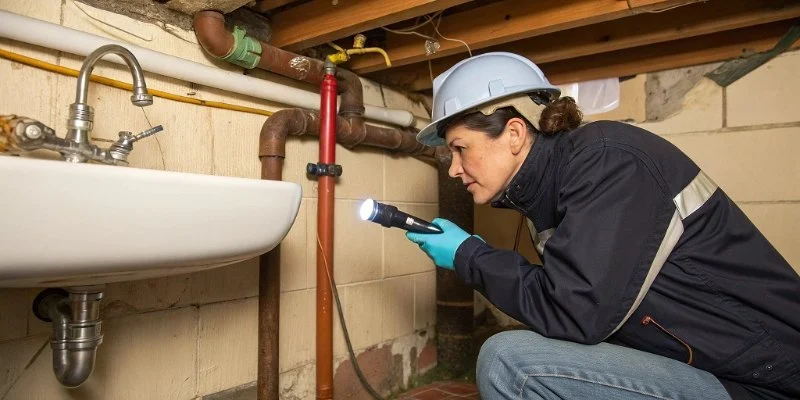
1. Why Plumbing Leaks Happen
Plumbing leaks can occur for various reasons, and understanding why they happen is key to preventing water damage. Some common causes of plumbing leaks include:
- Age and wear: Old pipes, particularly those made of materials like copper or galvanized steel, can degrade over time and begin to leak.
- Corrosion: When metal pipes corrode, they develop holes or cracks that lead to leaks. Corrosion can be caused by high levels of water acidity or minerals.
- High water pressure: Excessive water pressure can put stress on plumbing pipes and joints, causing them to crack or burst.
- Improper installation: Poorly installed pipes or fittings can result in leaks due to faulty connections or materials.
- Clogs and blockages: A clog can cause pressure to build up in the pipes, leading to leaks at the weakest points.
Understanding these causes helps you address potential leaks before they cause significant water damage in your home.
Patriot Plumbing, Heating, & AC
BaxterCrow Wing CountyMinnesota
6899 Forthun Rd, Baxter, MN 56425, USA
2. How to Test Your Plumbing System for Leaks
Testing your plumbing system for leaks is a vital step in preventing water damage. Here’s how you can conduct a basic leak test:
- Check the water meter: Start by turning off all faucets and appliances that use water. Then, check the water meter. If the reading changes while no water is being used, you likely have a leak somewhere in the system.
- Inspect the water pressure: Use a water pressure gauge to check for abnormally high pressure. If the pressure exceeds 80 psi, it could cause leaks in your pipes over time.
- Look for visible leaks: Check under sinks, around toilets, and at exposed pipe connections. Any visible water damage, dampness, or mold could indicate a leak.
- Use dye to detect hidden leaks: Place a few drops of food coloring or dye in the toilet tank. Wait for 15-20 minutes without flushing. If the dye appears in the bowl, you have a leak in the toilet’s flapper valve.
If you’re not comfortable conducting a full plumbing inspection, it’s always best to contact a professional plumber who can perform a more thorough test.

3. Tools You Need for Leak Detection
To test your plumbing system effectively, you may need some basic tools and equipment. Here are some of the most useful tools for detecting leaks:
- Water pressure gauge: A pressure gauge is essential for checking the pressure in your plumbing system and ensuring it’s within safe limits.
- Pipe inspection camera: This tool allows plumbers to see inside pipes, especially when leaks are located behind walls or underground.
- Moisture meter: This device helps detect moisture levels behind walls or in flooring, which can be indicative of hidden leaks.
- Dye tablets or food coloring: As mentioned, dye can be used to test for leaks in toilets or other plumbing fixtures.
Having the right tools can make the process of testing for leaks much easier and more efficient, helping you catch problems early and prevent costly water damage.
4. Common Signs of Plumbing Leaks
Detecting plumbing leaks early is crucial to preventing water damage. Here are some common signs that may indicate a leak:
- Wet spots or water stains: Any damp spots, puddles, or water stains on floors, ceilings, or walls could point to a leak.
- Musty odors: The smell of mold or mildew is a common sign that water is leaking somewhere in your home and creating a damp environment.
- Increased water bills: A sudden spike in your water bill without a corresponding increase in water usage could be caused by a hidden leak.
- Low water pressure: A significant drop in water pressure, particularly in one or more areas of your home, may indicate a leak in the plumbing system.
- Sounds of running water: If you hear water running when all fixtures are off, it may be a sign that a pipe is leaking or broken.
5. How to Prevent Water Damage from Plumbing Leaks
Preventing water damage from plumbing leaks is all about being proactive with maintenance and testing. Here are some steps to reduce the risk:
- Regular inspections: Have your plumbing system inspected by a professional at least once a year to catch potential issues early.
- Install water leak detectors: These devices can detect leaks and send alerts to your phone, allowing you to act quickly and avoid damage.
- Maintain proper water pressure: Keep the water pressure below 80 psi to prevent undue stress on your pipes.
- Fix leaks immediately: If you notice any small leaks, fix them immediately to prevent them from becoming bigger issues.
6. When to Call a Professional Plumber
Some plumbing leaks require professional attention. If you experience any of the following, it’s time to call a plumber:
- Unresolved leaks: If you’ve attempted to find and fix the leak but are still unsure where it’s coming from, a plumber can conduct a detailed inspection using advanced tools like cameras and pressure testing.
- Major leaks: If a leak is causing significant water damage or flooding, it’s critical to call a plumber immediately to prevent further destruction.
- Leaking pipes behind walls or underground: If the leak is hidden behind walls, floors, or underground, it’s best to have a professional plumber handle the diagnosis and repair.
7. Real-Life Case Study: Plumbing Leak and Water Damage Prevention
A family in Arizona recently shared their experience with a hidden leak in their home. They noticed an unusual spike in their water bills, but couldn’t find any obvious signs of a leak. After contacting a plumber, they discovered a leaking pipe under the slab foundation, which was slowly causing water damage to the floors. Fortunately, they caught the issue early and were able to prevent costly repairs by fixing the leak promptly.
This case highlights the importance of regularly testing your plumbing system for leaks and addressing any issues as soon as they arise. Being proactive can save you from expensive repairs and water damage.
For more information on plumbing maintenance, tools, and expert services, check out Plumbers Supply Hub for trusted recommendations and the best products to keep your plumbing system in top shape.
 David Wiseman Plumbing5.0 (2 reviews)
 Viking Sewer & Drain Cleaning4.0 (130 reviews)
 Delong's Sewer & Drain Services4.0 (115 reviews)
 Mr. Rooter Plumbing of Akron4.0 (768 reviews)
 Trio Plumbing Co4.0 (135 reviews)
 Able Master Sewer Company4.0 (289 reviews)
 How to Reroute Plumbing for a Kitchen Island: A Step-by-Step Guide
 How to Replace a Trap Primer Device: A Step-by-Step Guide
 What to Do When a Toilet Overflows Frequently - Expert Tips
 How to Prevent Settling Damage to Plumbing Joints: Tips and Solutions
 How to Detect a Hidden Leak Behind Your Refrigerator
 How to Handle a Burst Pipe: Immediate Actions You Should Take