
How to Prevent and Fix Water Damage in Your Basement from Plumbing Leaks
- understanding-basement-water-damage-causes - Why Plumbing Leaks Are the Most Common Basement Risk
- early-warning-signs-of-leaks - How to Detect Plumbing Problems Before Damage Spreads
- emergency-steps-for-active-leaks - What to Do Immediately When a Leak Starts
- long-term-waterproofing-strategies - Building a Basement That Resists Future Water Damage
- pipe-repair-and-replacement-guide - Fixing Plumbing Leaks the Right Way
- real-homeowner-leak-case-study - A Basement Flood Story and Recovery Process
- moisture-control-and-dehumidification - Keeping Basement Air Dry and Healthy
- sump-pump-and-drainage-systems - Mechanical Protection Against Water Intrusion
- common-mistakes-homeowners-make - Why Small Leaks Turn Into Expensive Repairs
- plumbers-supply-hub-resources - Where Homeowners Find Reliable Plumbing Solutions
Why Plumbing Leaks Are the Most Common Basement Risk
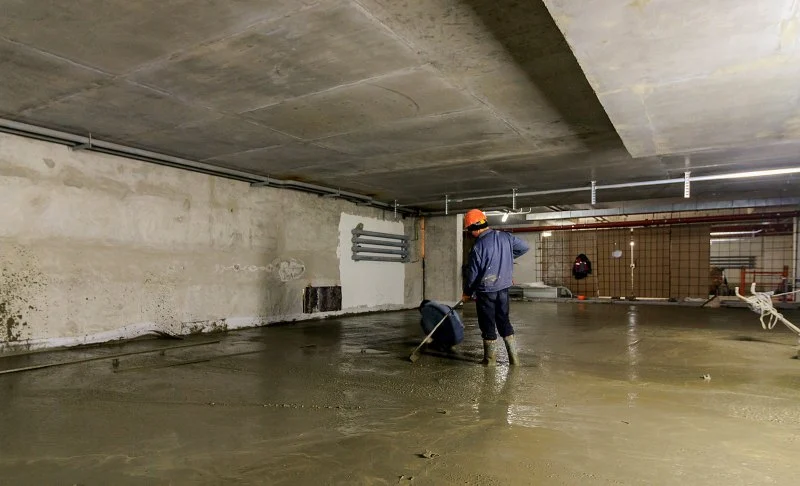
Basements are naturally vulnerable spaces in any home. They sit below ground level, surrounded by soil that constantly shifts moisture depending on weather conditions. When plumbing systems begin to fail, even a small leak can quickly turn into significant structural damage.
Understanding how to prevent and fix water damage in your basement from plumbing leaks starts with recognizing that water always follows the path of least resistance. A tiny crack in a pipe behind a wall or beneath a concrete slab can silently release gallons of water over time.
Why Basements Are High-Risk Zones
Unlike upper floors, basements do not benefit from natural evaporation or airflow. This means water tends to accumulate, soak into materials, and remain trapped. Over time, this leads to mold growth, weakened foundations, and damaged insulation.
Express plumbing remodeling services
Los AngelesLos Angeles CountyCalifornia
1201 S Hope St, Los Angeles, CA 90015, USA
How to Detect Plumbing Problems Before Damage Spreads
Early detection is the most cost-effective way to prevent basement water damage. Many homeowners only notice leaks after visible flooding occurs, but plumbing systems usually give warning signs long before failure.
Subtle Signs That Should Never Be Ignored
A musty smell, peeling paint near basement walls, or an unexpected increase in water bills can all indicate hidden plumbing leaks. Even small damp spots on concrete floors should be investigated immediately.
Listening for Hidden Leak Activity
Some homeowners report hearing faint dripping or water movement sounds behind walls. While it may seem minor, this often signals a slow but continuous leak in pressurized plumbing lines.
What to Do Immediately When a Leak Starts
When an active leak is discovered, time becomes the most critical factor. The first priority is always stopping water flow and limiting exposure to structural materials.
Immediate Response Actions
Shut off the main water supply if possible. Move stored items away from the affected area and begin removing standing water using pumps or wet vacuums. Quick action reduces long-term restoration costs significantly.
Why Fast Response Matters
Within just 24–48 hours, moisture can begin spreading into drywall, insulation, and wooden structures. Mold growth can begin shortly after, making fast intervention essential.
Building a Basement That Resists Future Water Damage
Preventing future plumbing-related flooding requires a combination of structural improvements and regular maintenance. Many homeowners only think about waterproofing after a disaster occurs, but proactive planning is far more effective.
Sealing and Barrier Protection
Waterproof coatings and sealants can reduce moisture penetration through concrete walls and floors. These barriers help slow down or stop water migration caused by minor leaks.
Drainage Improvements
Proper grading around the home ensures water flows away from the foundation instead of accumulating near basement walls.
Fixing Plumbing Leaks the Right Way
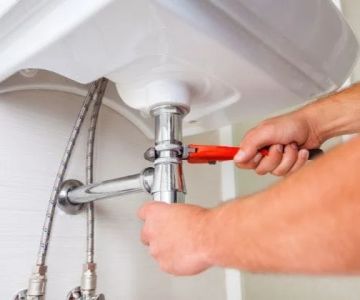
Repairing plumbing issues correctly is essential to avoid recurring damage. Temporary fixes may stop water briefly but often fail under pressure.
Pipe Replacement vs. Patch Repairs
In older plumbing systems, full pipe replacement is often more reliable than patching weakened sections. Corrosion and wear tend to spread beyond the visible leak point.
Professional Diagnosis Importance
Using modern leak detection tools allows plumbers to identify hidden issues inside walls or under flooring without unnecessary demolition.
A Basement Flood Story and Recovery Process
A homeowner in the Midwest once experienced repeated basement flooding every spring. Initially, they believed it was caused by rainfall, but later discovered a slow plumbing leak beneath the basement slab.
The issue had gone unnoticed for months, gradually weakening floor materials and creating persistent humidity. After professional inspection, the leaking pipe section was replaced, and drainage systems were upgraded.
Within weeks, the basement environment stabilized. This case highlights how hidden plumbing issues can mimic environmental water intrusion and lead to misdiagnosis if not carefully inspected.
Keeping Basement Air Dry and Healthy
Moisture control is just as important as leak repair when preventing long-term damage. Even after fixing plumbing issues, residual humidity can continue to cause problems.
Role of Dehumidifiers
A properly sized dehumidifier helps maintain optimal humidity levels and prevents mold spores from developing in enclosed basement spaces.
Ventilation Improvements
Increasing airflow reduces moisture buildup and supports faster drying after any water-related incident.
Mechanical Protection Against Water Intrusion
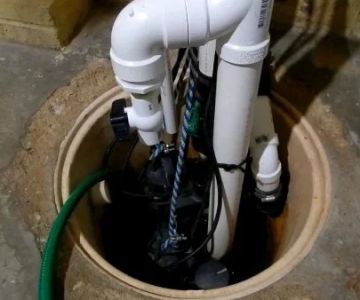
Sump pumps and drainage systems are critical defenses for basements, especially in areas with high groundwater levels or heavy rainfall.
Backup Systems for Reliability
Installing battery backups ensures continued protection during power outages, which often coincide with storms and flooding risks.
Routine Maintenance Checks
Testing sump pumps regularly ensures they activate properly when water levels rise unexpectedly.
Why Small Leaks Turn Into Expensive Repairs
Many homeowners underestimate small leaks, assuming they are harmless. However, even slow drips can cause structural weakening over time.
Hidden Damage Expansion
Water often spreads behind walls or under flooring where it cannot be seen. By the time visible signs appear, significant damage may already exist.
Cost Escalation Over Time
What begins as a minor plumbing repair can escalate into full basement restoration, including flooring replacement and mold remediation.
Where Homeowners Find Reliable Plumbing Solutions
For homeowners looking to prevent or repair basement water issues effectively, access to quality tools and professional-grade materials is essential.
Plumbers Supply Hub provides resources and product access designed to help homeowners and professionals manage plumbing systems more efficiently. From leak repair materials to drainage system upgrades, having the right equipment significantly improves long-term protection.
Understanding how to prevent and fix water damage in your basement from plumbing leaks is not just about reacting to emergencies—it is about building a system that actively protects your home year-round.


 Inexpensive Plumbing & Drain4.0 (1 reviews)
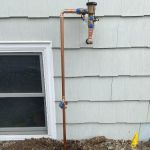 Twin City Pipeworks5.0 (456 reviews)
 Big Bear Plumbing4.0 (4 reviews)
 Forrest The Plumber5.0 (144 reviews)
 Precision Today Plumbing Heating Cooling Electrical (Dykstra Home Services)4.0 (867 reviews)
 Stidams Plumbing LLC3.0 (19 reviews)
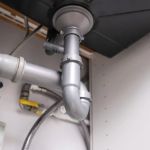 How to Prevent Plumbing Problems in Your Commercial Building
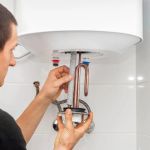 How to Replace a Water Heater Anode Rod
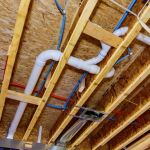 How to Properly Route Plumbing for a New Appliance
 How to Handle Plumbing Leaks While on Vacation: Home Protection Guide
 How to Repair a Clogged Shower Drain Without Calling a Plumber
 How to Install a New Sink Faucet with Pull-Out Sprayer