
- understanding-shower-water-pressure-problems
- quick-checks-before-repairing-low-pressure
- step-by-step-diy-pressure-fix-methods
- real-life-homewater-pressure-case-story
- when-to-call-a-professional-plumber
Understanding How to Fix Low Water Pressure in Your Shower
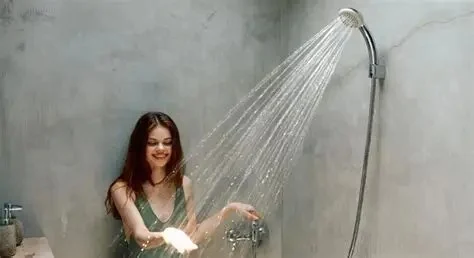
Few household frustrations feel as immediate as stepping into the shower expecting strong water flow and instead getting a weak drizzle. Knowing how to fix low water pressure in your shower can completely change your daily routine and help you avoid unnecessary plumbing costs.
Low pressure does not always mean a major plumbing failure. In many homes, it is caused by simple issues like mineral buildup, partially closed valves, or clogged shower heads. The key is knowing how to identify the real cause before jumping into repairs.
This guide walks through practical, real-world solutions used by homeowners and technicians, along with relatable examples that show how small fixes can make a big difference.

Step 1: Identify the Real Cause of Low Shower Pressure
Check if the issue is isolated or whole-house
The first step in any shower water pressure low fix situation is determining whether the issue affects only the shower or the entire home. If only the shower is affected, the problem is likely local rather than a main water supply issue.
Inspect the shower head condition
Mineral deposits from hard water often clog small nozzles inside shower heads. This is one of the most common reasons for weak water flow.
Look at plumbing valves
Partially closed shutoff valves can restrict water flow without being obvious. Checking these early saves time and prevents unnecessary repairs.
Step 2: Simple Checks Before Doing Any Repairs
Clean or remove the shower head
A clogged shower head is often the easiest fix. Soaking it in vinegar dissolves mineral buildup and restores flow in many cases.
Test water pressure in other fixtures
Turning on sinks and other showers helps determine whether the issue is localized or system-wide.
Check for leaks in visible pipes
Even small leaks can reduce overall water pressure. Early detection is important in any home water pressure troubleshooting process.
For replacement parts or plumbing tools, many homeowners rely on Plumbers Supply Hub for practical solutions that help restore proper water flow efficiently.
Step 3: DIY Methods to Increase Shower Pressure
Deep cleaning mineral buildup
Soaking shower components in vinegar or using descaling solutions helps remove hardened calcium deposits that restrict water flow.
Replacing old shower heads
Modern low-flow shower heads are designed to maintain strong pressure while conserving water. Upgrading can instantly improve performance.
Checking pressure regulator settings
Some homes have pressure regulators installed on the main water line. If set too low, they can significantly reduce shower pressure.
Real-Life Story: The Morning Shower That Changed Everything
A homeowner in a busy urban apartment noticed their morning shower slowly turning into a weak trickle over several months. At first, they assumed it was a municipal water issue. However, after testing other faucets, they realized only the shower was affected.
After removing the shower head, they discovered heavy mineral buildup almost blocking every nozzle. A simple overnight vinegar soak restored nearly full pressure the next day.
This small fix avoided unnecessary plumbing service calls and highlighted how often low pressure problems are caused by overlooked maintenance issues.
Common Mistakes When Fixing Low Water Pressure
Ignoring gradual changes
Slow declines in water pressure are often dismissed until they become major problems. Regular checks can prevent this.
Replacing parts without diagnosing
Jumping straight to replacements without identifying the root cause can waste time and money.
Overlooking hidden plumbing issues
Corroded pipes or internal blockages may require deeper inspection if basic fixes do not work.
When Professional Help Becomes Necessary
While many increase shower pressure solutions can be handled at home, some situations require professional intervention. Persistent low pressure across multiple fixtures may indicate deeper plumbing system issues.
Warning signs to watch for
Sudden pressure drops, discolored water, or recurring blockages suggest structural plumbing concerns rather than surface-level issues.
Long-term system maintenance
A professional inspection ensures that pipes, regulators, and supply lines are functioning correctly, preventing future disruptions.
Building Better Water Flow Awareness at Home
Understanding your home’s water system helps you respond quickly when issues arise. Small maintenance habits like cleaning shower heads regularly and monitoring pressure changes can prevent bigger plumbing problems later.
With a bit of awareness and simple tools, most homeowners can confidently handle common low-pressure problems without stress.
 Clog Busterz Plumbing4.0 (753 reviews)
 Rooter Guy Plumbing3.0 (11 reviews)
 Plumbing And More With JB LLC4.0 (6 reviews)
 All Rooter Hydro Jetting- Sewer & Drain Experts Inc.4.0 (82 reviews)
 TF SULLIVAN Plumbing Inc...5.0 (15 reviews)
 Team Alpha Plumbing & Rooter Inc.4.0 (45 reviews)
 How to Safely Drain a Water Heater Before Moving: Step-by-Step Guide
 How to Find a Reputable Plumber in Your Area: Tips for Quality Service
 How to Prevent and Fix Plumbing Problems in the Laundry Room – Expert Tips for Homeowners
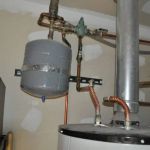 How to Test an Expansion Tank on Your Water Heater
 How to Test Pressure Drop in a Long Pipe Run: Effective Methods for Accurate Results
 The Importance of Hiring a Local Plumber vs. a National Chain