
- 1-Identifying-the-Root-Cause-of-Low-Water-Pressure
- 2-Simple-Steps-to-Boost-Water-Pressure
- 3-Using-Water-Pressure-Boosters-and-Accessories
- 4-Regular-Maintenance-and-Cleaning-Tips
- 5-Real-Life-Examples-and-Professional-Advice
1. Identifying the Root Cause of Low Water Pressure
1.1 Inspecting Your Fixtures and Valves
Before attempting any adjustments, check for partially closed valves and clogged fixtures. Even minor obstructions can dramatically reduce water pressure.
1.2 Detecting Pipe Issues
Older pipes may accumulate mineral deposits or corrosion that impede flow. Identifying these issues early helps in choosing non-invasive solutions.
1.3 Water Source Considerations
Low municipal supply pressure or shared water lines can affect your home’s flow. Understanding your source ensures realistic expectations and solutions.
2. Simple Steps to Boost Water Pressure
2.1 Adjust the Main Shut-Off Valve
Slowly open the main water valve fully. Often, homeowners leave valves partially closed, which limits pressure.
2.2 Remove Aerators and Showerheads
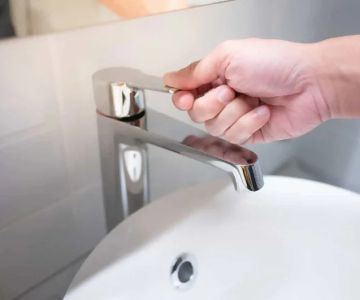
Cleaning or replacing aerators and showerheads can improve flow. Mineral buildup inside these fixtures commonly causes weak streams.
2.3 Reduce Pressure Drops
Using multiple water-intensive appliances simultaneously can lower pressure. Staggering usage and upgrading to efficient appliances helps maintain consistent flow.
3. Using Water Pressure Boosters and Accessories
3.1 Installing a Pressure Booster Pump
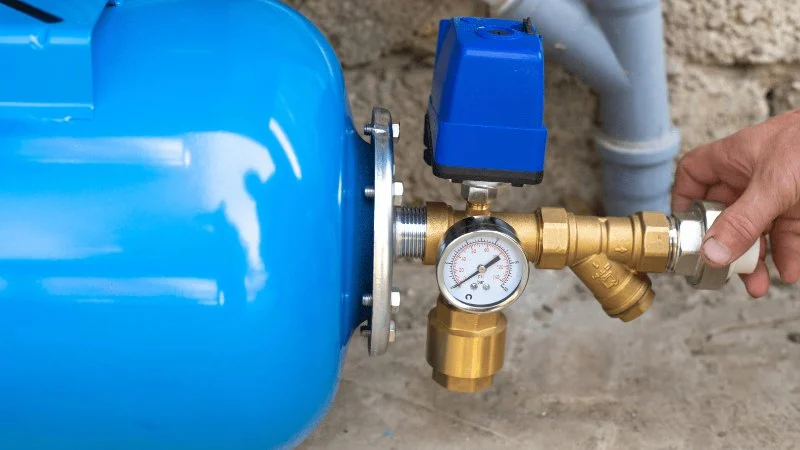
Booster pumps are an effective way to increase pressure without rewiring plumbing. They push water through your existing system efficiently.
3.2 Consider a Pressure Tank
For homes using well systems, adding or adjusting a pressure tank can stabilize and increase overall flow.
3.3 Faucet and Shower Optimizers
Specialized flow enhancers and low-resistance showerheads can improve water experience without requiring major work.
4. Regular Maintenance and Cleaning Tips
4.1 Descaling and Flushing Pipes
Flushing your pipes and using safe descaling solutions reduces mineral buildup, improving water speed and pressure.
4.2 Routine Inspection
Check valves, aerators, and water meters periodically. Consistent maintenance prevents long-term pressure issues.
4.3 Seasonal Considerations
Temperature changes can affect flow. Winterizing pipes or insulating them reduces freezing-related pressure drops.
5. Real-Life Examples and Professional Advice
5.1 Case Study: Homeowner Success Story
A homeowner struggling with weak shower pressure installed a pressure booster and cleaned all fixtures over a weekend, improving water flow dramatically without altering pipes.
5.2 Expert Guidance
Plumbing professionals recommend gradual solutions and home-friendly boosters to increase pressure while avoiding major construction.
5.3 Trusted Resources
Platforms like Plumbers Supply Hub offer curated tips, recommended pumps, and accessories for improving home water pressure safely and effectively.

 Plumber XP5.0 (240 reviews)
 CaliBar Plumbing4.0 (161 reviews)
 Ken Tyson Plumbing Inc - Lexington, KY4.0 (54 reviews)
 Fondy Sewer and Drain4.0 (102 reviews)
 Den Ketelaar Plumbing, Inc.4.0 (29 reviews)
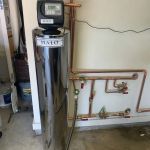 Champion Plumbing And Remodeling4.0 (24 reviews)
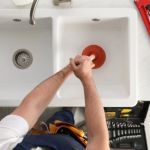 What to Do When You Hear Bubbling in Your Drains: Causes & Solutions
 How to Seal Gaps Around Pipes Passing Through Walls: A Complete Guide
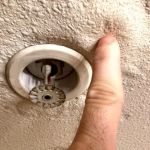 How to Find and Fix Hidden Water Leaks in Your Home
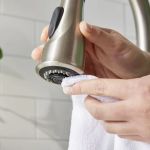 How to Clean Residue and Scale from Faucets and Showerheads
 How to Replace a Floor Drain Cover That Is Damaged
 How to Replace a Worn Hose on a Dishwasher