
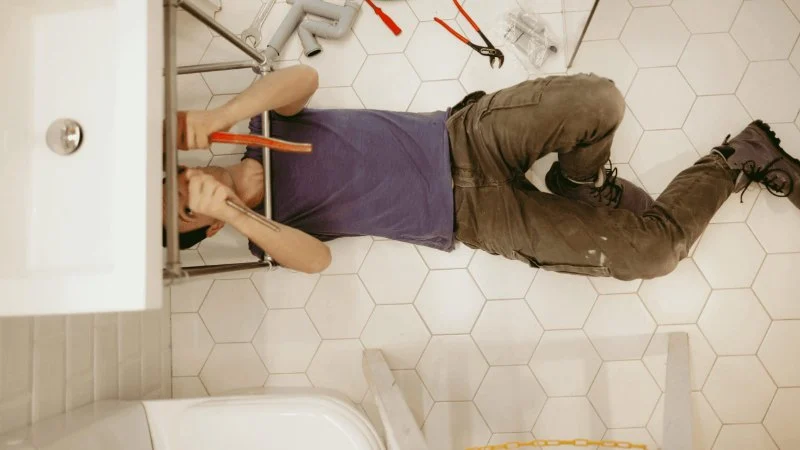
1. Why Plumbing Maintenance Matters in a New Home
When you move into a new home, it’s easy to assume that everything is in perfect condition. However, plumbing systems, like all home systems, can have hidden issues that might cause problems later. Regular maintenance is crucial for identifying early signs of potential plumbing problems, which can help you avoid costly repairs down the line. By following these plumbing maintenance tips, you can ensure that your home’s plumbing system remains in great shape for years to come.
2. Common Plumbing Issues to Watch for in New Homes
2.1 Leaky Faucets and Pipes
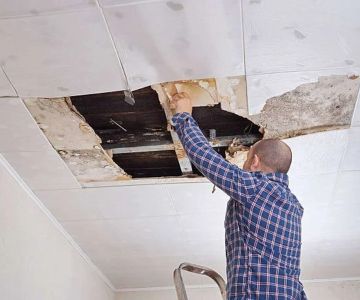
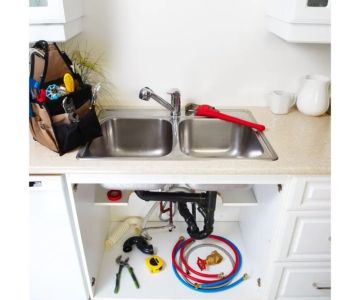
One of the most common plumbing problems in new homes is leaking faucets or pipes. These leaks might seem minor, but they can lead to significant water damage and higher utility bills over time. If you notice any signs of leaks, such as dripping faucets or water stains on the ceiling or walls, it’s important to address them as soon as possible. Regularly check under sinks and around appliances for signs of moisture.
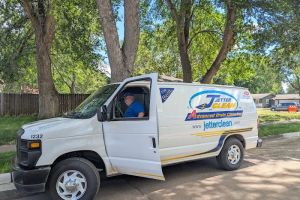
Jetter Clean Advanced Drain Cleaning Sioux Falls
Sioux FallsMinnehaha CountySouth Dakota
4020 W Tickman St #137, Sioux Falls, SD 57107, USA
2.2 Low Water Pressure
Low water pressure is another issue that homeowners may face, even in new homes. This can be caused by a variety of factors, including clogged pipes, mineral buildup, or issues with the water supply. If you notice that your water pressure is weaker than usual, it’s important to call a plumber to inspect your system. Addressing this problem early can prevent more serious issues from developing later on.
2.3 Clogged Drains
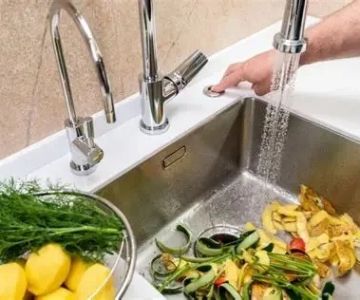
Clogged drains are a common nuisance that many homeowners face, and they can occur right from the start. Debris such as hair, grease, and soap scum can build up in drains and pipes, leading to slow drainage and potential blockages. Regularly clean your drains to avoid clogs. Consider using a drain strainer to catch debris and avoid putting grease or large food scraps down the kitchen sink.
3. Plumbing Maintenance Tips for New Homeowners
3.1 Inspect the Water Heater
Your water heater is an essential part of your plumbing system. To prevent costly repairs, inspect your water heater regularly for signs of rust, leaks, or corrosion. Flushing the water heater annually helps to remove sediment buildup, which can improve efficiency and extend the lifespan of the unit. If your water heater is over 10 years old, it may be time to consider replacing it.
3.2 Know Where Your Shutoff Valves Are
In the event of a plumbing emergency, knowing where the main water shutoff valve is located can save you from a disaster. Make sure you and your family members know how to turn off the water supply to the home in case of a burst pipe or major leak. This simple step can help prevent flooding and significant water damage.
3.3 Schedule Annual Plumbing Inspections
To keep your plumbing in top condition, schedule annual inspections with a professional plumber. Regular inspections can catch small issues before they become expensive problems. A plumber can assess your pipes, drains, water heater, and other plumbing components to ensure everything is functioning properly. This proactive approach will save you money in the long run by addressing potential issues early.
4. Preventing Seasonal Plumbing Problems
4.1 Winterize Your Plumbing
Cold weather can cause pipes to freeze, especially in areas with harsh winters. To prevent frozen pipes, insulate exposed pipes and allow faucets to drip during extreme cold spells. Additionally, disconnect hoses and drain outdoor faucets to prevent damage to your plumbing system. Winterizing your plumbing system helps to avoid costly repairs due to pipe bursts or water damage.
4.2 Protect Your Sump Pump
If your home has a sump pump, it’s important to keep it in good working order to avoid flooding during heavy rain. Test the pump regularly and ensure the discharge pipe is clear of obstructions. For homes in flood-prone areas, installing a backup power source for your sump pump can provide added peace of mind during storms or power outages.
5. When to Call a Professional Plumber
While many plumbing maintenance tasks can be handled by homeowners, there are situations where calling a professional plumber is essential. If you encounter persistent leaks, slow drains that don’t respond to simple cleaning, or notice strange odors or water discoloration, it’s best to contact a plumber right away. An experienced plumber can diagnose and fix the issue quickly, saving you from more extensive damage later.
6. Conclusion: Protect Your Plumbing System for Long-Term Savings
By staying proactive with plumbing maintenance, you can avoid costly plumbing problems in your new home. Regular inspections, minor repairs, and preventative measures like winterizing your pipes will keep your plumbing system running smoothly and prevent major issues. For the best plumbing products and services, visit Plumbers Supply Hub for expert advice and high-quality supplies that will help you protect your home’s plumbing system.
 CPR Divisions3.0 (2 reviews)
 Kerstetter Plumbing,Heating and Excavating5.0 (5 reviews)
 Valencia's Plumbing4.0 (114 reviews)
 Richardson Plumbing4.0 (204 reviews)
 Ivanhoe Plumbing4.0 (20 reviews)
 J Repiping & Builders4.0 (35 reviews)
 How to Replace an In-Wall Shower Drain
 How to Repair a Crack Around a Bathtub Rim: A Step-by-Step Guide
 How to Save Money on Plumbing Costs Through Regular Maintenance
 Plumbing 101: A Beginner’s Guide to Home Plumbing Repairs
 What to Do If Your Toilet Is Overflowing: Quick Steps to Take
 The Differences Between PVC, CPVC, and PEX Pipes: A Complete Comparison