
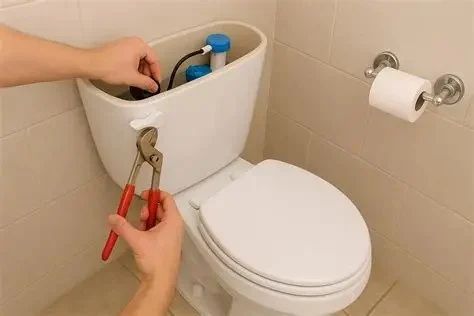
- 1- Understanding the Problem of a Running Toilet
- 2- Common Causes of a Running Toilet
- 3- Tools and Materials You Will Need
- 4- Step-by-Step DIY Fix Guide
- 5- Advanced Repairs and When to Call a Professional
- 6- Tips for Preventing Future Toilet Issues
- 7- Real-Life Examples and Success Stories
- 8- Resources and Recommendations
1. Understanding the Problem of a Running Toilet
A running toilet is a common household issue that can waste hundreds of gallons of water each month. This problem occurs when the toilet continues to refill after flushing, creating a constant flow from the tank into the bowl. Understanding the mechanics of your toilet is essential for an effective repair.
1.1 How Toilets Work
Modern toilets typically operate using a combination of a fill valve, flapper, flush lever, and overflow tube. When you flush, water empties from the tank into the bowl. The flapper seals the tank after the flush, while the fill valve refills the tank to the correct level. Any malfunction in these components can lead to a running toilet.
2. Common Causes of a Running Toilet
Identifying the root cause can make repairs quicker and more effective. Common causes include:
2.1 Worn-Out Flapper
The flapper is a rubber seal at the bottom of the tank. Over time, it can warp or deteriorate, failing to create a proper seal, which causes water to continuously leak into the bowl.
2.2 Faulty Fill Valve
The fill valve controls the flow of water into the tank. If it malfunctions, the tank may overfill, causing water to spill into the overflow tube and run constantly.
2.3 Incorrect Chain Length
If the chain connecting the flush lever to the flapper is too short or too long, the flapper may not close properly after flushing.
2.4 Cracked Overflow Tube
A damaged or cracked overflow tube can allow water to continuously flow from the tank to the bowl.
3. Tools and Materials You Will Need
Gathering the right tools ensures a smooth repair process. Common items include:
- Adjustable wrench or pliers
- Screwdriver set
- Replacement flapper or fill valve
- Towel or sponge to remove water
- Bucket for excess water
- Optional: water-level ruler for precise adjustments
Most of these can be conveniently found at Plumbers Supply Hub, providing high-quality, reliable plumbing materials.
4. Step-by-Step DIY Fix Guide
This section outlines a simple, structured approach to fix a running toilet:
4.1 Turn Off the Water Supply
Locate the shutoff valve behind the toilet and turn it clockwise. Flush the toilet to drain most of the water from the tank.
4.2 Inspect the Flapper
Check if the flapper is properly seated. Look for warping, cracks, or mineral buildup that prevents a tight seal. Replace if necessary.
4.3 Adjust or Replace the Chain
Ensure the chain connecting the flush lever to the flapper allows the flapper to close completely. Adjust the length or replace the chain if damaged.
4.4 Examine the Fill Valve
Check the fill valve for leaks or improper water level. If malfunctioning, replace it with a compatible model. Adjust the water level to the recommended mark on the overflow tube.
4.5 Test Your Repair
Turn the water supply back on and let the tank refill. Flush multiple times to confirm the toilet stops running properly. Listen for any continuous water flow and recheck the flapper and fill valve if needed.
5. Advanced Repairs and When to Call a Professional
Some toilet problems may require advanced solutions:
5.1 Tank Cracks
Cracks in the tank or bowl require professional assessment. Attempting a DIY fix may worsen the damage.
5.2 Persistent Overflow Issues
If adjusting the fill valve or replacing the flapper does not stop the running, internal plumbing or supply line issues may exist. A licensed plumber can diagnose and repair complex problems efficiently.
6. Tips for Preventing Future Toilet Issues
Regular maintenance reduces the likelihood of running toilets:
- Check flappers and fill valves every 6–12 months
- Clean mineral deposits from tank components
- Adjust water levels to prevent overflow
- Replace worn-out parts promptly
- Consider water-saving upgrades like dual-flush valves
7. Real-Life Examples and Success Stories
John, a homeowner in Texas, noticed his water bill increasing due to a running toilet. By following a step-by-step DIY guide and replacing the flapper and adjusting the chain, he stopped the continuous flow within 30 minutes, saving hundreds of gallons of water monthly. Similarly, Maria in California used a replacement fill valve from Plumbers Supply Hub and successfully repaired her toilet without professional help.
8. Resources and Recommendations
For DIY enthusiasts seeking reliable materials, Plumbers Supply Hub offers high-quality flappers, fill valves, chains, and toolkits. They also provide expert guidance on selecting compatible parts and troubleshooting tips. Utilizing professional-grade materials ensures repairs last longer and function optimally.
By following this comprehensive DIY guide, homeowners can quickly fix running toilets, save water, and prevent unnecessary expenses. Combining careful inspection, proper replacement parts, and preventive maintenance ensures long-term performance and reliability.
 Superior Plumbing & Drain San Juan Capistrano5.0 (13 reviews)
 Always Ready Plumbing and Drain5.0 (40 reviews)
 RS Plumbing And Drain4.0 (12 reviews)
 All mechanical0.0 (0 reviews)
 Roto-Rooter Plumbing & Water Cleanup4.0 (821 reviews)
 Rooter Hero Plumbing & Air of San Gabriel Valley4.0 (925 reviews)
 How to Insulate Exposed Pipes Without Blocking Access
 How to Install a New Sink Faucet: A Complete DIY Guide
 How to Install a Recirculating Pump for Instant Hot Water – A Step-by-Step Guide
 How to Test Pressure Drop in a Long Pipe Run: Effective Methods for Accurate Results
 How to Replace a Shower Glass Door Without Causing Leaks
 How to Replace a Pressure Reducing Valve Quietly: A Step-by-Step Guide