
- 1 - Planning Your Showerhead Installation
- 2 - Choosing the Right Showerhead
- 3 - Preparing the Tools and Materials
- 4 - Installation Step-by-Step
- 5 - Boosting Your Water Flow
- 6 - Common Issues and Solutions
- 7 - Case Studies and Real Examples
- 8 - Maintenance Tips for Long-Lasting Performance
1 - Planning Your Showerhead Installation
1.1 Assessing Your Existing Plumbing
Before installing a new showerhead, it is crucial to evaluate your current plumbing system. Check for leaks, corroded pipes, or inadequate water pressure that could affect performance. Understanding the layout of your pipes will help ensure a smooth installation process and long-term functionality.
1.2 Planning for Optimal Placement
Consider the height and angle of your new showerhead to ensure maximum comfort and coverage. Adjustable arms or flexible mounts can enhance the user experience while accommodating multiple users. Careful planning prevents awkward angles or insufficient water flow.
2 - Choosing the Right Showerhead
2.1 Types of Showerheads
Selecting the correct type of showerhead is essential. Options include fixed, handheld, rain shower, and high-pressure showerheads. Fixed units are simple to install, while handheld models provide versatility for cleaning and bathing children or pets.
2.2 Water-Saving vs High-Pressure Models
Modern showerheads balance water efficiency with performance. High-pressure models improve the sensation of strong water flow without wasting water, while WaterSense certified units conserve water and reduce utility bills.
3 - Preparing the Tools and Materials
3.1 Essential Tools
Gather adjustable wrenches, plumber’s tape, a cloth to protect finishes, and a bucket. Having all tools ready prevents interruptions and helps maintain a clean and organized workspace.
3.2 Materials Checklist
Ensure you have the correct showerhead, optional flow restrictors, and replacement washers. High-quality components from Plumbers Supply Hub provide reliability and long-lasting performance.
4 - Installation Step-by-Step
4.1 Removing the Old Showerhead
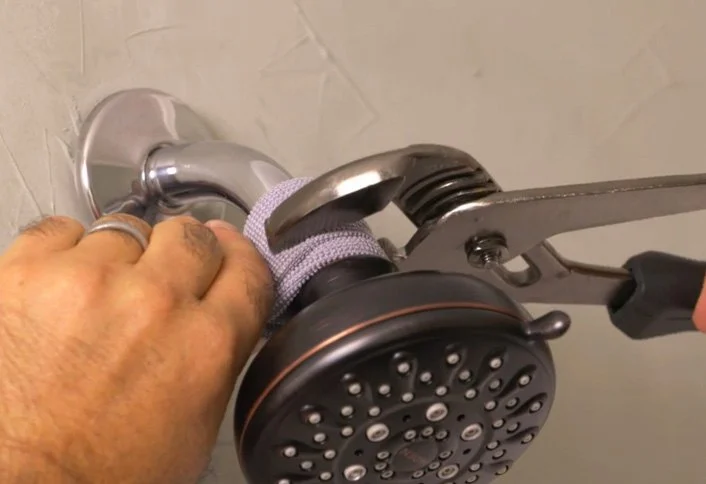
Turn off the water supply and gently unscrew the existing showerhead. Use a cloth to prevent scratching and inspect the threads for damage. Clean the connection pipe to remove any debris or old plumber’s tape.
4.2 Installing the New Showerhead
Wrap plumber’s tape around the pipe threads to ensure a watertight seal. Screw on the new showerhead and tighten by hand, avoiding excessive force. Check alignment and adjust as needed for optimal angle.
4.3 Testing the Installation
Turn the water supply back on and inspect for leaks. Run hot and cold water to verify pressure and flow. Make small adjustments to the showerhead positioning to ensure uniform water distribution.
5 - Boosting Your Water Flow
5.1 Addressing Low Water Pressure
If water flow is weak, check the shower arm and pipes for mineral buildup or obstructions. Clean aerators and consider removing flow restrictors for a stronger output, keeping local water regulations in mind.
5.2 Upgrading Plumbing Fixtures
Installing a high-pressure showerhead or adjusting pipe diameter can improve water flow. For significant upgrades, consult professional plumbing services to ensure compatibility with your home’s water system.
6 - Common Issues and Solutions
6.1 Leaks and Drips
Leaks typically result from improper sealing or worn washers. Reapply plumber’s tape or replace washers to resolve dripping issues and maintain consistent water pressure.
6.2 Inconsistent Water Temperature
Fluctuating temperatures may indicate problems with the mixing valve or water heater. Regular maintenance and inspection ensure a steady, comfortable shower experience.
7 - Case Studies and Real Examples
A homeowner in Denver upgraded their outdated shower with a handheld, high-pressure showerhead. By cleaning the pipes and applying plumber’s tape correctly, they boosted water flow and reduced shower time. Products and tips were sourced from Plumbers Supply Hub, ensuring reliability.
Another example from Austin involved replacing a rain showerhead with a WaterSense certified unit. The remodel improved water efficiency while maintaining satisfying pressure, demonstrating the balance between performance and conservation.
8 - Maintenance Tips for Long-Lasting Performance
8.1 Regular Cleaning
Descale showerheads periodically to prevent mineral buildup. Soak in vinegar or use manufacturer-recommended cleaners to maintain optimal water flow and prevent clogs.
8.2 Inspecting Seals and Connections
Check washers, seals, and plumber’s tape regularly. Replace worn parts promptly to avoid leaks and maintain a consistent, enjoyable shower experience.
By following these expert steps for how to install a showerhead and boost your bathroom’s water flow, homeowners can achieve a reliable, high-performance shower. For premium showerheads, tools, and installation advice, visit Plumbers Supply Hub for all your plumbing needs and solutions.
 Hosack Plumbing, Heating & Cooling4.0 (151 reviews)
 Elroy Huggins Septic Tank Services5.0 (5 reviews)
 Stiner's Plumbing Inc5.0 (10 reviews)
 S and J Plumbing & Sewer4.0 (3402 reviews)
 R S One Plumbing and Rooter4.0 (26 reviews)
 Contractor Response Plumbing experienced and licensed professionals4.0 (117 reviews)
 How to Replace a Broken Pipe in a Slab Foundation: Step-by-Step Guide
 How to Fix a Leaky Showerhead in Just a Few Steps
 The Essential Guide to Drainage and Plumbing Systems for New Homeowners
 What Causes Plumbing Noises? How to Quiet Your Pipes
 How to Prevent Water Damage in Your Home With Regular Plumbing Inspections
 代码How to Test Your Plumbing for Leaks Using Simple Tools