
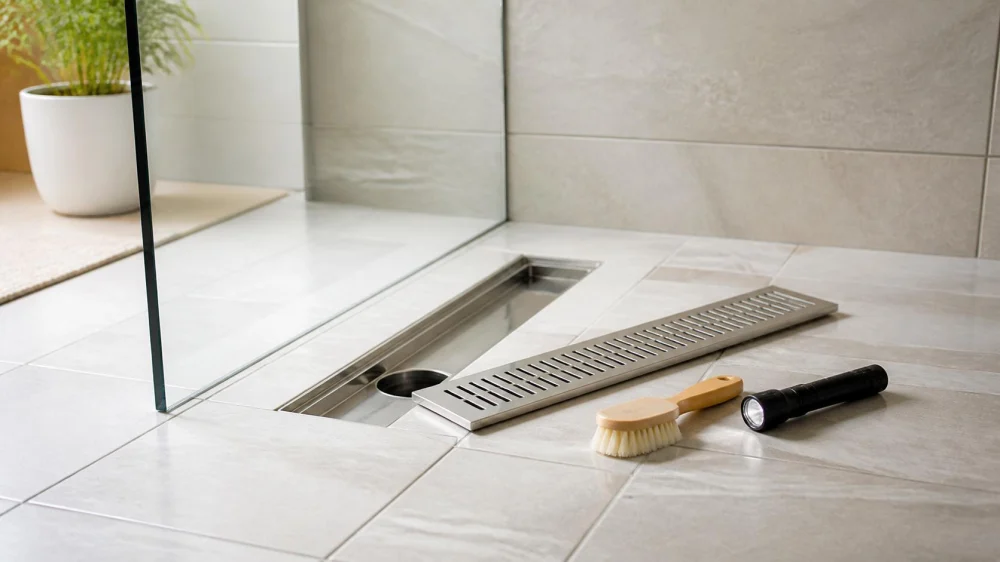
Shower Drain Odor: Trace Dry Traps, Buildup, and Vent Clues
On this page
Quick answer
Start a shower-drain odor check by confirming whether the smell comes from the drain, damp surfaces, a nearby fixture, or the room generally. Run water into an infrequently used shower to refill its trap, clean accessible hair and biofilm without mixing chemicals, and note gurgling or changes when other fixtures drain. Persistent sewer-like odor, a trap that repeatedly dries, slow drainage, leaks, or multiple affected fixtures warrants a plumber's inspection of traps, seals, vents, and drain lines.

Why it matters
Odor can come from organic buildup near the opening, a dry or compromised trap, hidden leakage, venting problems, or another nearby source. Masking scent does not identify the pathway.
This United States household plumbing guide is general. Drain construction, waterproofing, trap primers, vent systems, septic systems, cleaning products, and building codes vary.
Practical checklist
- Describe the odor and record when it is strongest.
- Compare the shower, sink, toilet, overflow openings, and room surfaces.
- Check drain speed, gurgling, visible residue, loose covers, and floor moisture.
- Ask whether the shower has been unused or the home recently vacant.
- Note effects when toilets flush, fans run, or other fixtures drain.
- Identify every product already used in the drain.
- Locate safe access and arrange ventilation before inspection.
Step-by-step plan
- Ventilate the room and avoid leaning directly over a strong unknown odor.
- Run a controlled amount of water into an infrequently used shower and see whether the odor changes later.
- Remove the accessible cover only if designed for user service and protect waterproofed surfaces.
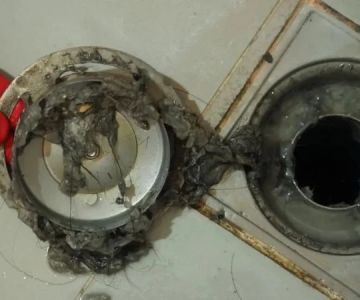
- Lift hair and residue mechanically with gloves, then clean accessible parts using one compatible labeled method.
- Never mix bleach, acids, ammonia, drain openers, or unknown residues.
- Record slow flow, bubbling, repeated trap drying, leaks, or odors across multiple fixtures.
- Call a plumber for trap, seal, vent, drain-camera, or leak evaluation when the pattern persists.
Keep dates, odor description, affected fixtures, vacancy or weather history, water tests, drainage speed, gurgling, moisture, products used, photos, plumber findings, and repairs.
Limits and warning signs
Pouring water may temporarily seal a dry trap but does not explain repeated water loss. Fragrance, boiling water, or chemical drain opener can hide symptoms or damage materials and should not replace diagnosis.
Leave the area and contact appropriate help for intense gas-like odor, dizziness, headache, breathing symptoms, suspected fuel gas, sewage backup, or widespread drainage failure. Do not enter confined spaces.
Frequently asked questions
Will running water fix the odor?
It may refill a dry trap, but recurring odor means the cause of water loss or another pathway still needs investigation.
Can I pour bleach down the drain?
Do not mix chemicals or assume compatibility; follow fixture and product instructions and prefer mechanical cleaning of accessible residue.
Why does the drain gurgle?
It can signal air movement or drainage problems; record when it occurs and have persistent patterns assessed.
Could the smell come from the shower surface?
Yes. Compare grout, caulk, mats, overflow paths, and nearby fixtures before concluding it is sewer gas.
Sources and evidence
The guide applies plumbing-trap, venting, drain-maintenance, waterproofing, and chemical-safety principles: isolate the source, refill infrequently used traps, clean accessible buildup without mixtures, and escalate recurring multi-fixture patterns.
Conclusion and next steps
Confirm the odor source, refill an unused trap, remove accessible hair and residue safely, and record gurgling or multi-fixture effects. Call a plumber if odor, drying, slow flow, or leaks return.
 Smith's drain service llc5.0 (4 reviews)
 A Aart's Speedy Plumbing & Sewer4.0 (7 reviews)
 Ehmen Industries, Inc.4.0 (27 reviews)
 All-Pro Pittsburgh Backflow5.0 (55 reviews)
 Plumbing Specialists5.0 (4 reviews)
 McNamara Plumbing, LLC5.0 (6 reviews)
 How to Replace a Toilet That Wobbles After Installation
 How to Troubleshoot Your Sump Pump: Common Issues and Solutions
 How to Install a New Pipe System for Your Home
 Plumbing Repair Invoice: Check Parts, Labor, and Testing
 How to Repair a Slab Leak Under the Floor
 How to Replace a Broken Valve in a Water Line