
Essential Plumbing Tips for Older Homes: Protect Your Pipes and Prevent Damage
- 1 - Understanding Old Pipes - Common Issues and Risks
- 2 - Detecting Leaks Early - How to Spot Hidden Problems
- 3 - Managing Water Pressure - Avoid Stress on Aging Plumbing
- 4 - Routine Maintenance Strategies - Keeping Systems Functional
- 5 - Deciding When to Replace Pipes - Signs It's Time for Action
- 6 - Updating Fixtures and Appliances - Improving Efficiency in Older Homes
- 7 - Real-Life Case Studies - Learning From Others’ Experiences
1. Understanding Old Pipes - Common Issues and Risks
Older homes often feature plumbing systems that were installed decades ago using materials such as galvanized steel, cast iron, or even early forms of copper. While these pipes were built to last, age can bring significant challenges.
1.1 Corrosion and Scaling
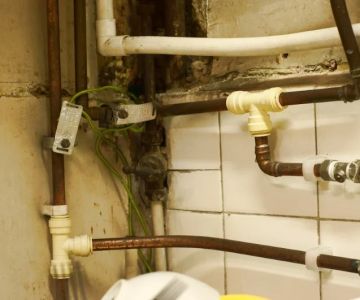
Over time, metal pipes corrode and accumulate mineral deposits, which can reduce water flow and increase the likelihood of leaks. Signs of corrosion include discoloration in the water, metallic taste, or visible rust on exposed pipes.

Roto-Rooter Plumbing, Drain, & Water Damage Cleanup Service
1480 Pearl Rd Unit 18, Brunswick, OH 44212, USA
1.2 Joint Failures and Weak Connections
Older plumbing often relies on threaded connections that may loosen over time. These weak points can lead to drips, leaks, or sudden pipe bursts.
1.3 Risk Assessment
Understanding your home’s plumbing materials and their age is the first step toward preventing major issues. Many homeowners overlook this assessment until a small leak turns into a costly repair.
2. Detecting Leaks Early - How to Spot Hidden Problems
Early detection of leaks is crucial in older homes, where even minor drips can cause structural damage or mold growth.
2.1 Water Meter Monitoring
Regularly checking the water meter for unexplained usage can help detect hidden leaks. If the meter moves despite all water sources being off, a leak may be present.
2.2 Visual Inspections
Inspect areas under sinks, around water heaters, and near pipe joints. Look for water stains, damp walls, or mold, which may indicate slow leaks.
2.3 Noise Alerts
Unusual sounds such as hissing or dripping within walls can point to hidden plumbing problems that require immediate attention.
3. Managing Water Pressure - Avoid Stress on Aging Plumbing
High water pressure can accelerate wear on older plumbing, leading to leaks and burst pipes.
3.1 Pressure Regulators
Installing a pressure regulator can help maintain a safe water pressure range. Most older homes lack these devices, increasing the risk of plumbing failure.
3.2 Recognizing Symptoms of High Pressure
Banging noises, dripping faucets, and worn-out washers often indicate excessive water pressure. Addressing these early prevents long-term damage.
3.3 Routine Testing
Use a pressure gauge to test your home’s water pressure periodically. Ideal levels for older homes are generally between 50 and 60 psi.
4. Routine Maintenance Strategies - Keeping Systems Functional
Preventive maintenance is key for older plumbing systems. Regular checks reduce the likelihood of costly repairs.
4.1 Cleaning Aerators and Showerheads
Mineral buildup can reduce flow and increase stress on pipes. Cleaning aerators and showerheads ensures proper water delivery.
4.2 Flushing Water Heaters
Older water heaters accumulate sediment that reduces efficiency. Flushing the system annually helps prolong its life and maintains water quality.
4.3 Seasonal Inspections
Check for pipe insulation integrity before winter and inspect for leaks after heavy rains to prevent unexpected failures.
5. Deciding When to Replace Pipes - Signs It's Time for Action
Not all issues can be resolved with maintenance; sometimes pipe replacement is the best solution.
5.1 Visible Rust or Leaks
If corrosion is widespread or leaks are frequent, replacement is a safer long-term solution than continual repairs.
5.2 Water Discoloration or Taste Changes
Brown, yellow, or metallic-tasting water often signals internal pipe deterioration.
5.3 Professional Recommendations
Consulting with licensed plumbers can help identify when partial or full pipe replacement is necessary. Trusted resources like Plumbers Supply Hub can assist homeowners in finding the right products for older home upgrades.
6. Updating Fixtures and Appliances - Improving Efficiency in Older Homes
Replacing outdated fixtures and appliances can prevent plumbing issues while improving water efficiency.
6.1 Low-Flow Faucets and Toilets
Installing modern low-flow devices reduces stress on older pipes and conserves water, lowering utility costs.
6.2 Modern Water Heaters
Tankless or high-efficiency water heaters reduce sediment buildup and provide more reliable hot water, easing the burden on aging systems.
6.3 Smart Monitoring Devices
Leak detectors and water monitoring systems help homeowners respond quickly to potential problems before they escalate.
7. Real-Life Case Studies - Learning From Others’ Experiences
Case studies highlight the importance of proactive plumbing care in older homes.
7.1 The 1920s Home With Galvanized Pipes
Homeowners in Pennsylvania experienced frequent leaks and low water pressure. After professional inspection, they replaced the main lines and installed pressure regulators. The system now functions efficiently, and the home avoids recurring leaks.
7.2 Unexpected Pipe Burst in a 1950s House
A sudden winter pipe burst caused thousands in damages. Retrospectively, small leaks and corroded joints were missed during routine checks. The incident underscored the importance of regular inspections and preventive replacements.
7.3 Successful Maintenance in a 1930s Home
Owners performed seasonal inspections, flushed water heaters, and replaced minor sections of plumbing proactively. The home has remained leak-free for years, demonstrating the effectiveness of planned maintenance.
For homeowners looking to secure reliable solutions and access high-quality plumbing products, Plumbers Supply Hub offers curated tools, parts, and expert advice for maintaining older homes efficiently.
 The Sunny Plumber SoCal4.0 (139 reviews)
 Good Mechanical Services Inc.5.0 (21 reviews)
 Plumbing Systems, Inc.4.0 (58 reviews)
 E & J Lopez Plumbing Inc4.0 (3 reviews)
 Roto-Rooter Plumbing, Drain, & Water Damage Cleanup Service4.0 (67 reviews)
 Metro Earthworks & Sewer Repair4.0 (22 reviews)
 The Importance of Professional Plumbing Inspections for Homeowners: Protect Your Home
 How to Inspect Plumbing Connections in an Addition: A Step-by-Step Guide
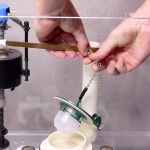 How to Replace a Toilet Flush Lever: Easy Step-by-Step Guide
 The Best Ways to Prevent Plumbing Problems in Your Commercial Property
 Common Causes for Low Hot Water Volume and Solutions for Homes and Businesses
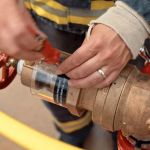 How to Replace a Malfunctioning Pressure Reducing Valve