
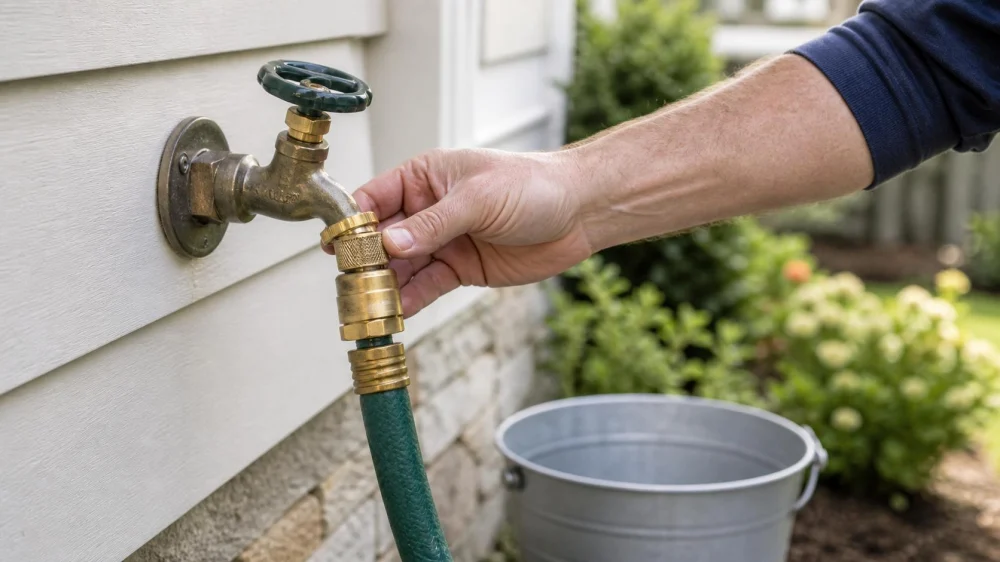
Garden Hose Backflow Prevention: A Homeowner Checklist
On this page
Quick answer
A garden hose can create a backflow risk when its open end sits in a pool, bucket, sprayer, or other source of non-potable liquid. Keep the hose outlet above liquids, use the backflow device required for the connection, inspect it for damage, and disconnect attachments after use. Ask a licensed plumber when protection is missing, leaking, altered, or difficult to identify.
Backflow is the unwanted reversal of water or another substance into the drinking-water supply. This guide is for U.S. homeowners checking ordinary outdoor hose connections; it is not a substitute for local plumbing-code requirements or testing of a regulated backflow assembly.

Why garden hose backflow matters
An outdoor faucet looks simple, but a connected hose can bridge household drinking water and lawn chemicals, cleaning solutions, standing water, or other contaminants. The risk increases when the hose end is submerged or connected to equipment that contains non-potable liquid.
Two conditions can move water in the wrong direction:
- Backsiphonage can occur when supply pressure drops and creates a siphoning effect. A water-main interruption or heavy demand elsewhere in the system may contribute to a pressure drop.
- Backpressure can occur when downstream pressure becomes greater than supply pressure. Pumps, elevated equipment, or pressurized attachments may create conditions that a basic hose connection was not designed to manage.
The practical rule is straightforward: do not treat a hose as isolated from the potable system merely because water normally flows outward. Good setup, an appropriate protective device, and routine inspection work together.

Garden hose connection inspection checklist
Use this checklist at each exterior faucet, utility sink hose outlet, garage connection, or other location where a threaded hose can be attached.
- Turn off active equipment. Stop sprinklers, pressure washers, chemical sprayers, and filling operations before handling the connection.
- Look for a protective device. A hose connection may have an integral anti-siphon feature or a separate hose-connection vacuum breaker. Do not assume every threaded metal fitting is a backflow device.
- Check the device body. Look for cracks, heavy corrosion, missing pieces, obvious modification, or evidence that the device has been forced, capped, painted shut, or bypassed.
- Observe during shutoff. Some hose vacuum breakers briefly vent or release a small amount of water when pressure stops. Persistent spraying, leakage under steady pressure, or a device that no longer allows normal flow deserves evaluation.
- Check where the hose ends. Keep the outlet out of ponds, pools, pet bowls, buckets, tanks, and puddles. An air gap above the liquid is a simple, visible layer of protection.
- Review attachments. Fertilizer applicators, pesticide sprayers, soap dispensers, pressure washers, irrigation equipment, and pumps can change the hazard. Follow the equipment manufacturer’s connection and backflow instructions.
- Remove temporary connections. Disconnect the hose and attachments when they are not needed, especially if the assembly could remain pressurized or submerged.
- Record uncertain locations. Photograph the faucet and device, note any markings without removing parts, and give the information to a qualified plumber or the local water authority.
Do not loosen a pressurized fitting. Shut off the faucet, release hose pressure in a safe direction, and keep electrical equipment away from spray before inspecting anything closely.
How to choose and use backflow protection
The correct protection depends on the hazard, the plumbing arrangement, and applicable rules. A common hose-connection vacuum breaker is intended for certain hose connections and backsiphonage conditions; it is not a universal solution for every irrigation, pumping, or chemical-use setup.
Best for a routine hose connection
For ordinary hand watering or washing, use the code-appropriate protection specified for the faucet, keep the hose end above contaminants, and disconnect it after use. If the faucet already contains an integral anti-siphon assembly, avoid stacking random devices unless the manufacturer or a professional confirms the arrangement.
Not ideal for continuous pressure
Some hose vacuum breakers are not intended to remain under continuous downstream pressure. A timer, closed spray nozzle, or shutoff valve at the far end of a pressurized hose may create continuous-pressure conditions. Check the device and equipment instructions rather than assuming that a convenient setup is suitable.
When the hazard is more than routine
Choose professional design or verification when a hose feeds an irrigation system, livestock equipment, a chemical injector, a boiler fill, a pump, a large storage tank, or commercial equipment. These uses may require a different type of backflow prevention assembly, installation clearances, permits, or periodic testing.
Do not remove a tamper-resistant screw, cut off a device, seal a vent opening, or add a downstream arrangement that defeats its operation. If a device affects flow or leaks, the safe response is diagnosis and correct replacement—not bypassing it.
Warning signs and professional inspection triggers
Stop using the connection and request qualified help when you find any of the following:
- No visible protection where local requirements or the equipment instructions call for it.
- A cracked, frozen, badly corroded, altered, or repeatedly leaking device.
- A hose connected to a chemical container, pump, boiler, irrigation zone, or other higher-hazard application.
- Discolored, unusually scented, or bad-tasting tap water after a hose-related event.
- A reported water-main break, pressure-loss event, or cross-connection concern while a hose was submerged.
- An assembly with test ports, tags, or records that indicate professional testing may be required.
If drinking water may have been contaminated, stop using it for drinking, cooking, ice, brushing teeth, or food preparation. Contact the water supplier or appropriate local public-health authority for situation-specific instructions. Appearance and smell alone cannot establish that water is safe.
Limitations and important notes
- Plumbing and cross-connection-control requirements vary across U.S. states, municipalities, water suppliers, building types, and hazard categories.
- A visual homeowner check cannot confirm internal device condition, correct sizing, approved installation, or test performance.
- Freeze protection and backflow protection solve different problems. A frost-resistant faucet can still require proper backflow protection, and attached hoses can interfere with winter drainage.
- Do not use a generic hose fitting in place of an approved device selected for the application.
- Tenants and residents in managed properties should report questionable connections rather than altering shared plumbing.
This guidance covers prevention and inspection, not emergency water treatment. Follow official local instructions if an actual contamination advisory or cross-connection incident occurs.
Sources and evidence notes
The prevention principles in this article reflect common cross-connection-control practice: maintain separation between potable water and contamination sources, use protection appropriate to the hazard, preserve required air gaps, and have testable assemblies handled by qualified personnel. Device instructions and local water-supplier or plumbing-authority requirements should control when they are more specific.
For verification, consult the installation instructions for the exact faucet or backflow device, the equipment instructions for any connected sprayer or machine, and the cross-connection-control guidance published by the local water supplier. A licensed plumber or certified backflow tester can identify installed equipment and explain whether testing applies.
Frequently asked questions
Is keeping the hose out of a bucket enough?
Keeping the outlet above the liquid creates useful physical separation, but it does not replace backflow protection required for the hose connection. Use both good hose placement and the appropriate protective device.
Why does a hose vacuum breaker spit water when I turn the faucet off?
A brief release can be part of how some devices vent when pressure changes. Continuous leakage, strong spraying during normal flow, or a sudden change in operation should be checked against the manufacturer’s instructions and evaluated if necessary.
Can I remove the vacuum breaker if it reduces water flow?
Do not bypass a protective device to improve flow. Reduced flow may come from debris, corrosion, a damaged device, a kinked hose, or another supply issue. Have the cause identified and use a correct replacement when needed.
Does a pressure washer need special attention?
Yes. Follow the pressure-washer manufacturer’s water-supply and backflow instructions. Pumped or chemical-injection equipment can create conditions beyond a basic watering setup, so professional advice may be appropriate.
Who can tell me what my local rules require?
Start with the local water supplier or plumbing authority. For the installation itself, use a properly licensed plumber. If a testable backflow assembly is present, ask who is authorized to test it in that jurisdiction.
Next steps
Walk around the property and inspect every hose connection using the checklist above. Keep hose ends out of non-potable liquids, disconnect temporary attachments, and note anything missing, damaged, or unfamiliar. For a higher-hazard use or uncertain device, leave the protection in place and arrange a professional review before reconnecting the equipment.

 CMC Plumbing, Heating & Cooling4.0 (244 reviews)
 G & C Sewer Services4.0 (93 reviews)
 First Response Plumbing LLC4.0 (141 reviews)
 Moore's Plumbing Service4.0 (6 reviews)
 Ganzel Plumbing Inc4.0 (34 reviews)
 Accent Plumbing Co.4.0 (9 reviews)
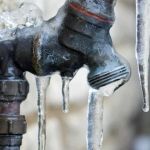 How to Prevent Frozen Pipes During the Winter Season
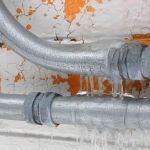 What Causes Plumbing Pipes to Freeze and How to Prevent It
 The Ultimate Guide to Choosing the Right Plumbing Fixtures for Your Home
 How to Choose the Best Faucet for Water Savings
 How to Detect and Fix Plumbing Leaks Early
 How to Install a New Garbage Disposal: Step-by-Step Plumbing Guide