
- 1 - Why-Pipes-Freeze
- 2 - Common-Areas-for-Freezing
- 3 - Signs-Your-Pipes-Are-Freezing
- 4 - Prevention-Tips
- 5 - Using-Professional-Solutions
1. Why Pipes Freeze
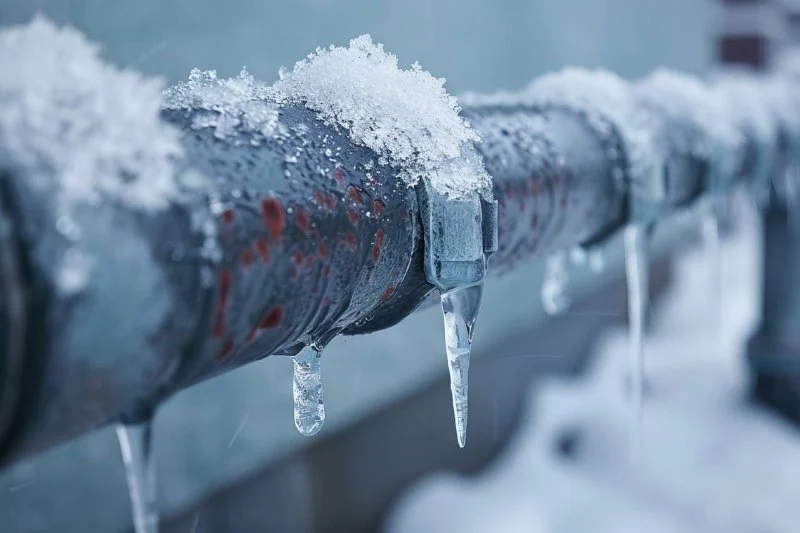
Frozen pipes are a common issue in cold regions of the United States during winter months. When water inside a pipe reaches 32°F (0°C), it can freeze and expand, causing stress on the pipe walls. This expansion may lead to cracking or bursting, resulting in costly water damage.
Several factors contribute to pipe freezing:
- Exposure to cold air due to poor insulation
- Sudden drops in outdoor temperature
- Pipes located in unheated spaces like attics, basements, or crawl spaces
- Low water flow, which allows water to stagnate and freeze faster
Understanding the root cause of freezing is critical to applying preventive measures effectively. Many homeowners overlook small vulnerabilities, such as gaps around windows or poorly insulated pipe joints, which can be a hidden source of problems.
2. Common Areas for Freezing
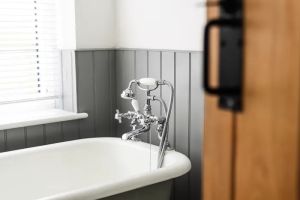
Knowing where pipes are most likely to freeze can save time and prevent damage. Typical areas include:
- Exterior walls: Pipes running along exterior walls are exposed to colder temperatures and wind chill.
- Basements and crawl spaces: Unheated spaces can drop below freezing even when the rest of the house is warm.
- Attics and garages: Pipes in these areas may not benefit from home heating systems, making them highly vulnerable.
In a real case, a homeowner in Minnesota discovered that a small section of their kitchen supply line, running through a crawl space, froze during a sudden cold snap. The result was a burst pipe and several thousand dollars in repairs. This emphasizes the importance of identifying and reinforcing high-risk areas before winter.
Venhoff Plumbing & Heating Co
ShivelyJefferson CountyKentucky
1847 San Jose Ave, Shively, KY 40216, USA
3. Signs Your Pipes Are Freezing
Early detection is key. Some warning signs include:
- Frost on exposed pipes
- Reduced or no water flow from faucets
- Strange noises, such as banging or clanging, as water tries to move through partially frozen sections
- Visible bulging in the pipes
Recognizing these symptoms promptly can prevent a minor freeze from turning into a burst pipe scenario. For instance, a homeowner in New York noticed reduced water flow in a guest bathroom and immediately insulated the pipe, preventing further damage.
4. Prevention Tips
Preventing frozen pipes involves a combination of insulation, heat, and smart water management. Key strategies include:
- Insulate vulnerable pipes: Use foam pipe sleeves or fiberglass insulation on pipes in cold areas. Plumbers Supply Hub offers a wide selection of high-quality pipe insulation suitable for various pipe types.
- Use heat tape or cable: Electric heat tape wraps around pipes and maintains a safe temperature. Always follow manufacturer instructions for safe installation.
- Seal gaps and drafts: Check around doors, windows, and exterior walls for air leaks that could expose pipes to freezing conditions.
- Maintain a slow drip: Allowing faucets to drip slightly keeps water moving and reduces the chance of freezing.
- Keep indoor temperatures consistent: Avoid setting the thermostat too low, even when away from home.
Applying these tips proactively can prevent thousands of dollars in potential repairs and ensure a worry-free winter.
5. Using Professional Solutions
Sometimes DIY measures are not enough, especially for older homes or extensive plumbing systems. Professional plumbers can provide:
- Pipe insulation services for hard-to-reach areas
- Installation of automatic temperature monitoring systems
- Emergency services for frozen or burst pipes
Visiting Plumbers Supply Hub can help you source reliable materials and services that meet professional standards. With their expertise, you can prepare your home thoroughly and prevent freezing before it becomes a major issue.
By understanding why pipes freeze, identifying vulnerable areas, detecting early warning signs, and applying preventive strategies, homeowners can minimize risks and protect their property. Combining DIY methods with professional solutions ensures comprehensive protection against winter pipe freezes.
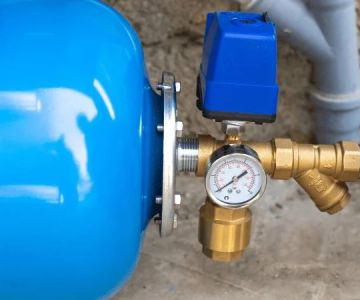
 ER Plumbing LLC5.0 (4 reviews)
 R J Parins Plumbing & Heating4.0 (22 reviews)
 Sewer Ninjas5.0 (269 reviews)
 Hall's Plumbing, LLC4.0 (87 reviews)
 Detox Hydro Jet5.0 (24 reviews)
 Owosso Bolt & Brass Co4.0 (44 reviews)
 How to Eliminate Odors Coming from Your Drains
 How to Safely Drain a Water Heater Before Moving: Step-by-Step Guide
 Common Plumbing Problems in Mobile Homes and How to Fix Them
 How to Reroute a Drain Line After Flooring Remodel
 The Importance of Choosing a Qualified Plumber for Your Home’s Needs
 How to Handle a Plumbing Leak: A Homeowner’s Emergency Guide