
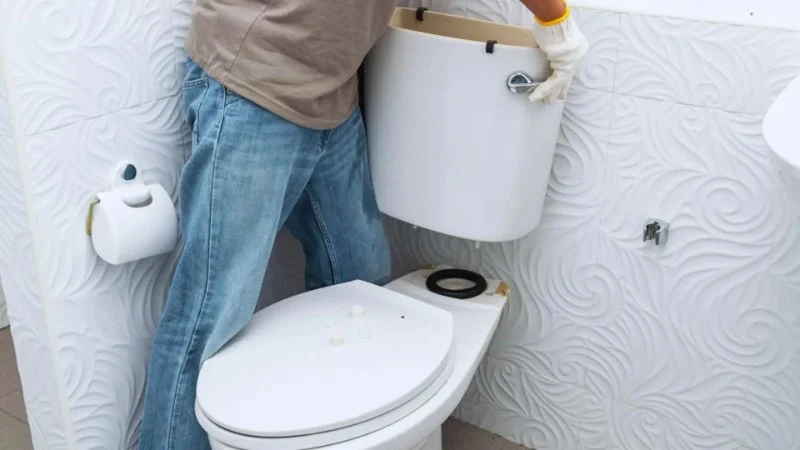
Plumbing Solutions for Fixing Low Flow Toilets in Your Home
- 1. Understanding Low Flow Toilets
- 2. Why Low Flow Toilets May Not Work Well
- 3. Simple Plumbing Solutions to Fix Low Flow Toilets
- 4. Upgrading to a Higher-Performance Toilet
- 5. Real-Life Example: Fixing a Low Flow Toilet
### 1. Understanding Low Flow Toilets Low flow toilets are designed to use less water per flush compared to traditional toilets. They typically use around 1.6 gallons per flush (GPF), which is significantly lower than older toilets that can use up to 3.5 GPF or more. The goal of low flow toilets is to conserve water while still providing efficient flushing power. However, some homeowners experience issues with low flow toilets, such as inadequate flushing or clogs, which can reduce their effectiveness. Understanding how these toilets work and how to maintain them can help you avoid frustration and keep them functioning optimally.
### 2. Why Low Flow Toilets May Not Work Well While low flow toilets are designed to save water, they can sometimes have issues that affect their performance. Here are a few common reasons why your low flow toilet may not be working as efficiently as it should:
1. Clogged or Blocked Drainage: Over time, debris and waste can accumulate in the toilet’s pipes, leading to blockages. Even small blockages can cause poor flushing performance, making it harder for the toilet to clear waste effectively.
2. Incorrect Water Pressure: Low water pressure can hinder a toilet’s ability to flush completely. If the toilet is not receiving enough water to operate at full capacity, it may leave waste behind, requiring multiple flushes.
3. Malfunctioning Flush Valve: The flush valve controls the release of water into the bowl. If the valve is not opening properly, the toilet may not have enough water pressure for a powerful flush, which can lead to inefficient flushing.
4. Improperly Installed Toilet Parts: If the toilet was not installed properly, or if the internal components (like the fill valve or flush valve) are damaged, the toilet may not work as efficiently as it should. This can cause weak flushing and even leaks.
### 3. Simple Plumbing Solutions to Fix Low Flow Toilets If you're experiencing issues with your low flow toilet, there are several simple plumbing solutions you can try to improve its performance:
1. Check for Clogs and Blockages: Start by inspecting your toilet’s pipes and drainage system for any blockages. If you find any, use a plunger or a toilet auger to clear them out. For stubborn blockages, consider calling a plumber to ensure the issue is resolved.
2. Adjust the Water Level: Ensure that the water level in your toilet’s tank is set to the manufacturer’s recommended height. If the water level is too low, it can result in weak flushes. Adjust the float arm or the fill valve to correct the water level.
3. Clean the Flush Valve: Over time, mineral deposits and debris can build up on the flush valve, preventing it from working properly. Turn off the water supply, remove the tank lid, and inspect the flush valve. Clean it with a mild vinegar solution to remove any build-up that may be hindering the flow of water.
4. Replace Worn Parts: If any of the toilet’s internal components are damaged or worn out, they may need to be replaced. The flush valve, fill valve, or even the flapper could be causing the toilet’s poor performance. Replacing these parts is usually a straightforward task that you can do yourself or with the help of a plumber.
### 4. Upgrading to a Higher-Performance Toilet If you find that your low flow toilet is still not performing well despite your efforts, it may be time to consider upgrading to a higher-performance model. Newer low flow toilets are designed with improved technology that increases flushing efficiency while still conserving water. Here are a few options to consider:
1. Dual-Flush Toilets: Dual-flush toilets allow you to choose between two flush options: one for liquid waste (using less water) and one for solid waste (using more water). This helps conserve water while still ensuring effective flushing.
2. Pressure-Assisted Toilets: Pressure-assisted toilets use air pressure to force water into the bowl with greater force, leading to a stronger and more effective flush. These toilets are ideal for households with multiple users or those who want a more powerful flush.
3. Water-Saving, High-Efficiency Toilets: Newer high-efficiency toilets (HETs) use only 1.28 gallons per flush or less, improving both water savings and flushing power. If your old low flow toilet is outdated or not functioning properly, upgrading to an HET may provide a better solution.
### 5. Real-Life Example: Fixing a Low Flow Toilet A homeowner named Sarah experienced frustration with her low flow toilet, which frequently left waste behind after one flush. After trying several plumbing solutions, she found that the issue was due to a clog in the toilet’s pipes. Sarah used a toilet auger to clear the blockage and noticed a significant improvement in the toilet’s performance. She also adjusted the water level in the tank and cleaned the flush valve to further enhance the flush power.
After resolving these issues, Sarah’s toilet flushed more efficiently, and she no longer had to worry about multiple flushes. The experience also encouraged her to consider upgrading to a dual-flush toilet in the future for better water conservation and performance.

 Do Right Rooter Drain Specialists , 24/7 Drain & Plumbing Services4.0 (212 reviews)
 Bob & Marc Plumbing3.0 (27 reviews)
 PM Plumbing & Mechanical4.0 (41 reviews)
 Repipe14.0 (319 reviews)
 ABC Plumbing, Sewer, Heating, Cooling & Electric4.0 (21385 reviews)
 Olympian Plumbing LLC4.0 (208 reviews)
 Why Your Sewer Line Is Clogged and How to Fix It
 What to Do When a Toilet Overflows Frequently - Expert Tips
 How to Repair a Clogged Garbage Disposal: Troubleshooting Tips
 How to Prevent Leaks from Expanding Joints in Pipes: A Complete Guide
 How to Replace a Sink Trap That Rusted Through
 How to Clean Out a Septic Drain Field Safely