
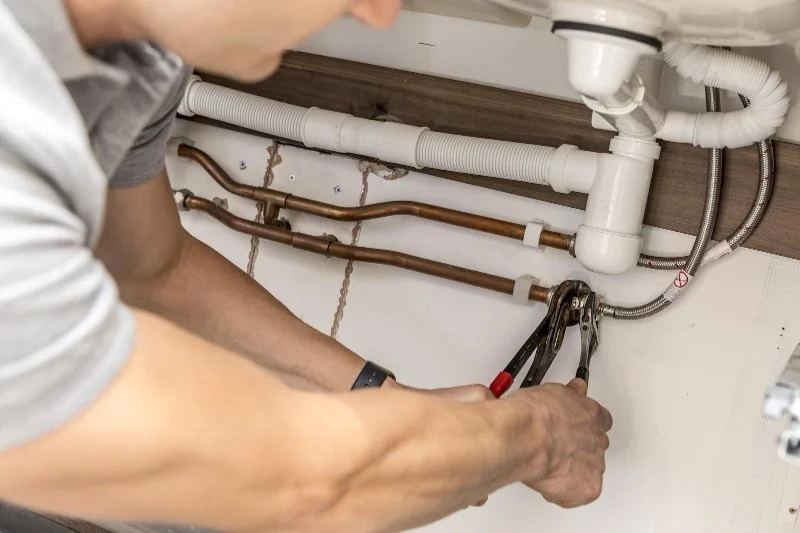
1. Introduction: Plumbing Issues in a New Home
Moving into a new home is an exciting experience, but it also comes with its share of challenges. One of the most common issues homeowners face when moving in is plumbing problems. Whether it's a leaky faucet, clogged drain, or a more serious issue like low water pressure, plumbing problems can cause significant inconvenience if not addressed quickly. In this article, we’ll explore some common plumbing issues new homeowners encounter, how to spot them, and practical tips for resolving them.
2. Common Plumbing Problems When Moving Into a New Home
When you move into a new home, it's important to check for potential plumbing issues before they become bigger problems. Below are some of the most common plumbing issues homeowners might face:
2.1 Leaky Faucets
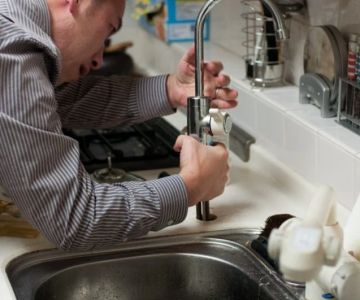
Leaky faucets are one of the most common plumbing issues, and they can happen in both the kitchen and the bathroom. Not only are they annoying, but they can also waste a significant amount of water over time. To fix a leaky faucet, you may need to replace the faucet’s washer or seal, or simply tighten the faucet handle. If you're not comfortable doing this yourself, it's best to call a plumber to avoid further damage.
2.2 Low Water Pressure
Low water pressure can be caused by a variety of factors, including clogged pipes, faulty pressure regulators, or problems with the municipal water supply. If the low water pressure is affecting only one fixture, like a shower or sink, the issue is likely isolated to that fixture. Check for visible blockages or mineral buildup, and clean the aerator or showerhead. If the problem persists, it's a good idea to call a plumber for a thorough inspection.
2.3 Clogged Drains
Clogged drains are common, especially in the kitchen and bathroom areas. They are usually caused by grease, hair, soap scum, or food particles. You can try using a plunger to clear the blockage or apply a mixture of baking soda and vinegar followed by hot water to break up the clog. If the clog is more stubborn, you may need to use a drain snake or call a plumber to avoid damaging the pipes.
2.4 Running Toilets
A running toilet can be both frustrating and costly due to the continuous flow of water. This problem is often caused by a faulty flapper valve or a malfunctioning fill valve. You can try replacing the flapper or adjusting the fill valve yourself, or you can call a plumber if the issue persists.
3. How to Handle Plumbing Emergencies
Plumbing emergencies can happen at any time and can cause significant damage to your home if not addressed immediately. Here's what to do in case of an emergency:
3.1 Turn Off the Water Supply
If you encounter a major leak or burst pipe, the first step is to turn off the water supply to prevent further damage. Locate the main water shut-off valve in your home, usually found near the water meter or in a basement or crawl space. Turning off the water supply will stop the flow of water and help minimize damage until a plumber can arrive.
3.2 Call a Professional Plumber
While some plumbing issues can be fixed with basic tools and a little know-how, others require professional attention. If you're dealing with a serious issue like a burst pipe, water heater malfunction, or major clog, it's best to call a licensed plumber. They have the expertise and equipment to diagnose and fix the problem quickly and efficiently.
3.3 Prevent Further Damage
If possible, try to prevent further damage by removing any standing water and using towels or a wet-dry vacuum to soak up excess water. For flooded areas, consider moving furniture and valuables to a dry location. Keep in mind that water damage can affect walls, floors, and ceilings, so the sooner you address the issue, the better.
4. Preventative Plumbing Maintenance Tips
Taking a few simple steps to maintain your plumbing system can help prevent costly repairs and keep everything running smoothly in your new home.
4.1 Regularly Check for Leaks
Inspect your faucets, pipes, and toilets regularly for signs of leaks. Early detection can save you from bigger problems down the road. If you notice a small leak, fix it right away to prevent water damage and higher water bills.
4.2 Avoid Pouring Grease Down Drains
Grease can easily clog your kitchen drain, leading to major plumbing problems. Always dispose of grease and cooking oils in a container rather than pouring them down the sink. Use a drain strainer to catch food particles and prevent clogs from forming.
4.3 Schedule Regular Plumbing Inspections
It’s a good idea to schedule annual plumbing inspections with a licensed plumber. They can identify any potential issues early on and help you avoid expensive repairs in the future. Regular maintenance will keep your plumbing system in top shape and ensure your home remains safe and comfortable.
5. Conclusion: Keeping Your Plumbing in Top Condition
Dealing with plumbing issues when moving into a new home can be stressful, but by addressing problems early and performing routine maintenance, you can avoid major repairs and costly damage. Whether you're fixing a leaky faucet or dealing with a more serious issue, taking the right steps and calling in professionals when necessary will keep your plumbing in top condition. If you need plumbing supplies or expert advice, check out Plumbers Supply Hub for the best products and services available.

 Do Right Rooter Drain Specialists , 24/7 Drain & Plumbing Services4.0 (212 reviews)
 Bob & Marc Plumbing3.0 (27 reviews)
 PM Plumbing & Mechanical4.0 (41 reviews)
 Repipe14.0 (319 reviews)
 ABC Plumbing, Sewer, Heating, Cooling & Electric4.0 (21385 reviews)
 Olympian Plumbing LLC4.0 (208 reviews)
 Why Your Sewer Line Is Clogged and How to Fix It
 What to Do When a Toilet Overflows Frequently - Expert Tips
 How to Repair a Clogged Garbage Disposal: Troubleshooting Tips
 How to Prevent Leaks from Expanding Joints in Pipes: A Complete Guide
 How to Replace a Sink Trap That Rusted Through
 How to Clean Out a Septic Drain Field Safely