
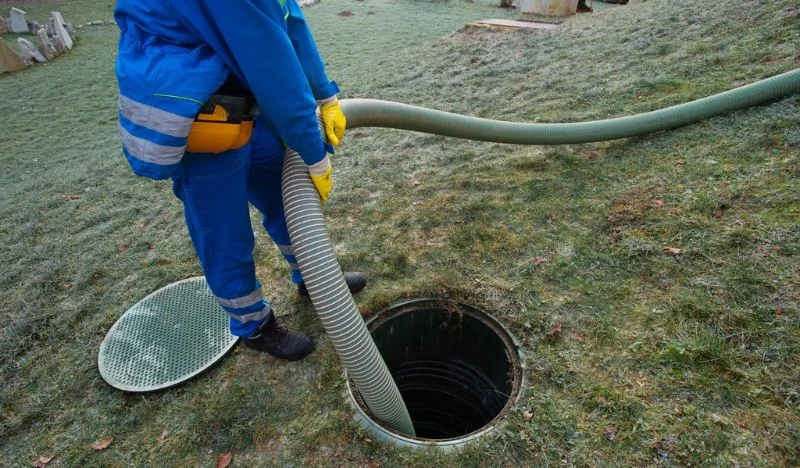
Understanding the Hidden Plumbing Network Beneath Your Home
- Septic-system-plumbing-basics - How household wastewater is treated underground before returning to the soil
- Tank-and-drain-field-connection - The role of each component working together in a closed loop
- Maintenance-and-prevention-focus - Why neglect leads to costly system failures
- Real-life-homeowner-insight - Common mistakes and lessons learned from real situations
Most homeowners never think about what happens after wastewater disappears down the drain. Yet beneath many homes, a full-scale treatment system is constantly working. Understanding septic system plumbing is not just technical knowledge—it’s essential for avoiding expensive repairs, unpleasant backups, and environmental hazards.
In many suburban and rural areas across the United States, homes rely on a self-contained system instead of municipal sewer lines. This system quietly processes everything from kitchen waste to bathroom water. When it works well, you never notice it. When it fails, the consequences are immediate and stressful.
A homeowner in rural Pennsylvania once shared how a simple misunderstanding about water usage led to a full system overload during a family gathering. The repair cost exceeded several thousand dollars—something that could have been prevented with basic knowledge of septic system plumbing care.
How a Home Septic System Actually Works Underground
A home septic system is designed to separate solids from liquids and naturally treat wastewater through bacterial digestion and soil filtration. While it sounds simple, the internal process is surprisingly detailed and delicate.

1. Wastewater Flow From House to Tank
Every time water goes down a sink, shower, or toilet, it travels through a main drain pipe into a buried septic tank. Inside the tank, heavier solids sink to the bottom while oils and grease float to the top. This separation is the first stage of treatment.
If household plumbing is overused or clogged, this flow can become irregular, leading to early signs of septic system problems such as slow drains or unpleasant odors inside the home.
2. Biological Breakdown Inside the Tank
Naturally occurring bacteria begin breaking down organic waste inside the tank. This biological process is essential for reducing solid waste volume. However, harsh chemicals, antibacterial cleaners, or non-flushable items can disrupt this balance.
When bacterial activity is reduced, solids accumulate faster, requiring more frequent septic pumping schedule adjustments. Many homeowners are unaware that everyday cleaning habits directly impact septic tank performance.
3. Effluent Distribution to the Drain Field
Once partially treated, liquid effluent flows into a drain field, also known as a leach field. Here, soil acts as a natural filter, removing remaining contaminants before water returns to the groundwater system.
Drain field care is one of the most overlooked aspects of septic system plumbing. Heavy vehicles, tree roots, and improper landscaping can all damage this critical area, leading to long-term system failure.
Common Septic System Plumbing Problems Homeowners Face
Many homeowners only realize there is a problem when it becomes severe. Understanding early warning signs can prevent major damage and costly excavation work.
Slow Drains and Gurgling Pipes
When sinks or bathtubs drain slowly, it often indicates a developing blockage in the system. Gurgling sounds suggest trapped air due to improper wastewater flow.
These symptoms are often ignored until they escalate into full backups inside the home. Early septic inspection can identify whether the issue is minor or structural.
Unpleasant Odors Around the Property
Strong sewage smells near the yard or inside the home usually indicate tank overflow or drain field failure. This is a serious sign that requires immediate attention.
In one real case from Texas, a family noticed a faint odor in their backyard but delayed inspection for months. By the time professionals arrived, the drain field had already failed completely.
Pooling Water and Soggy Ground
If water appears on the lawn even during dry weather, it may mean the drain field is saturated. This indicates the system is no longer properly absorbing wastewater.
Ignoring this issue can lead to environmental contamination and expensive reconstruction of the entire system.
Maintenance Practices That Protect Your Septic System
Regular care is the difference between a long-lasting system and a costly emergency repair. Most septic systems can last decades when properly maintained.
Routine Septic Tank Maintenance
Scheduled pumping is essential to remove accumulated sludge and prevent overflow. The frequency depends on household size and water usage habits.
Experts recommend periodic septic inspection to ensure all components are functioning correctly. This helps detect issues before they become emergencies.
Homeowners looking for reliable components and maintenance tools often turn to Plumbers Supply Hub for trusted resources that support long-term system care and repair readiness.
Water Usage Awareness Inside the Home
Excessive water use can overwhelm a septic system. Spacing out laundry loads and fixing leaks can significantly reduce strain on the tank.
Even small behavioral changes—like shorter showers—can improve system efficiency and extend its lifespan.
What Should Never Enter the System
Non-biodegradable items, grease, and harsh chemicals can disrupt bacterial activity and clog pipes. Once damage occurs, restoration is often expensive and time-consuming.
A common mistake among homeowners is treating the septic system like a regular sewer line, which leads to preventable failures.
Seasonal and Environmental Factors Affecting Performance
Weather conditions significantly influence septic system plumbing performance. Heavy rain can saturate the drain field, while freezing temperatures may slow bacterial activity.
In colder climates, insulating vulnerable components helps maintain consistent system function throughout winter months.
Why Professional Septic Inspection Matters
Professional evaluation provides insights that homeowners cannot easily detect. Specialists assess tank levels, pipe integrity, and drain field absorption efficiency.
Regular inspections reduce the risk of sudden failures and help extend system life significantly. Many homeowners only discover underlying issues during emergencies, which could have been prevented.
Experienced technicians often recommend combining inspection with routine maintenance for optimal performance.
Real-World Example of Preventable Septic Failure
A suburban homeowner in Florida experienced repeated drain backups but assumed it was a minor plumbing issue. After multiple temporary fixes, a full inspection revealed a severely clogged drain field caused by years of untreated buildup.
The repair required excavation and partial system replacement. The situation could have been avoided with routine pumping and early septic inspection.
Stories like this highlight why understanding septic system plumbing is not optional—it is essential for responsible homeownership.
Building Long-Term Confidence in Your Septic System
A well-maintained system provides peace of mind, protects property value, and prevents unexpected emergencies. Homeowners who stay proactive typically experience fewer disruptions and lower long-term costs.
Investing time in learning how your system works and recognizing early warning signs is one of the most practical steps you can take as a property owner.

 A. Mann Plumbing LTD4.0 (94 reviews)
 Blessed Plumbing4.0 (155 reviews)
 Piper Plumbing5.0 (24 reviews)
 Calumet River Licensed Plumber Co0.0 (0 reviews)
 Roto-Rooter Plumbing & Water Cleanup4.0 (1520 reviews)
 McCarthy Plumber's5.0 (13 reviews)
 How to Install a New Sink Faucet: A Complete DIY Guide
 How to Test Water Pressure at Multiple Fixtures
 How to Replace a Broken Valve in a Water Line
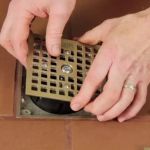 How to Replace a Damaged Floor Drain Cover Easily
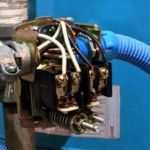 How to Reset a Tripped Pressure Switch in a Well Pump
 How to Prevent and Fix Plumbing Problems in the Laundry Room – Expert Tips for Homeowners