
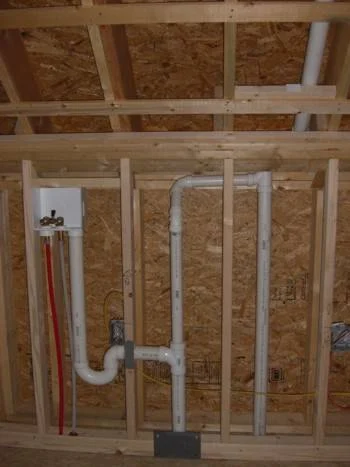
- Understanding-Plumbing-Vents-and-Drainage-Flow - How vent systems balance air pressure and support proper drainage
- Tools-and-Materials-Required-for-Vent-Installation - Pipes, fittings, adhesives, and essential plumbing equipment
- Step-by-Step-Vent-Pipe-Installation-Process - Planning, cutting, connecting, and securing vent lines
- Common-Installation-Mistakes-and-How-to-Avoid-Them - Errors that cause clogs, odors, or drainage failure
- Real-Life-Home-Improvement-Case-Study - A homeowner drainage upgrade success story
- Maintenance-and-Long-Term-System-Optimization - Keeping your vent system efficient over time
Why Plumbing Vent Systems Matter More Than Most Homeowners Expect
A home drainage system is not only about moving wastewater away—it is also about maintaining air balance inside the plumbing network. Without proper venting, drains slow down, gurgle, or even release unpleasant sewer gases back into living spaces. This is why understanding how to install a plumbing vent and improve your home’s drainage system is essential for anyone planning a residential plumbing upgrade.
Many homeowners assume drainage issues come only from clogs. In reality, poor airflow inside pipes is just as damaging. A properly designed vent pipe installation ensures that water flows freely by replacing the vacuum created when water moves through the system.
Think of it like breathing. Drains need air just as much as they need water flow. Without it, the system struggles, and problems appear throughout the home.
How a Plumbing Vent System Actually Works Inside Your Home
Air Pressure Balance and Drain Efficiency
When water flows down a drain, it creates negative pressure behind it. A vent system introduces fresh air into the pipes to neutralize this pressure. This allows wastewater to move smoothly without resistance.
Without proper plumbing ventilation, water can siphon out traps, leading to sewer odors entering bathrooms, kitchens, or laundry areas.
Jayce Abel Plumbing, LLC
StratfordMarathon CountyWisconsin
210170 Staadt Ave, Stratford, WI 54484, USA
Preventing Sewer Gas Backflow
One of the most important functions of a vent system is blocking sewer gases from entering the home. The vent ensures traps remain filled with water, which acts as a natural barrier.
If you have ever noticed a faint sulfur smell near sinks or showers, it may indicate a venting problem rather than a simple clog.
Tools and Materials Needed for Vent Pipe Installation
Essential Plumbing Components
Before beginning installation, proper preparation ensures smoother work and fewer mistakes. Common materials include PVC pipes, vent fittings, elbows, connectors, and solvent cement designed for plumbing systems.
Each component plays a role in guiding air through the system while maintaining structural integrity.
Basic Tools Required
A standard installation typically requires a pipe cutter, measuring tape, level tool, marker, and safety equipment. Precision is important because even small misalignments can affect airflow efficiency.
Professional plumbers often use diagnostic tools to confirm airflow balance after installation.
Step-by-Step Guide to Installing a Plumbing Vent
Planning the Vent Route
Every successful installation begins with planning. The vent must connect properly to the drainage line and extend vertically toward the roof or designated vent outlet.
Incorrect routing can lead to inefficient airflow or code violations depending on local building standards.
Cutting and Preparing Pipe Sections
Once the layout is planned, pipes are measured and cut with precision. Smooth edges are essential to ensure tight connections and prevent air leakage.
Improper cutting is one of the most common DIY mistakes and can lead to long-term drainage issues.
Connecting Vent Pipes to Drain Lines
The vent pipe must be securely connected to the drainage system using approved fittings. Adhesive is applied to ensure airtight seals.
At this stage, alignment is critical. Even slight misplacement can disrupt airflow balance throughout the system.
Securing and Testing the System
After installation, the system must be tested for airflow and leak prevention. Water is run through connected drains to observe flow consistency.
If bubbling, slow drainage, or odors occur, adjustments may be necessary.
Common Mistakes in Plumbing Vent Installation
Improper Vent Height or Placement
One frequent error is placing vent pipes too low or in incorrect positions. This can lead to ineffective airflow and drainage interruptions.
Using Incorrect Pipe Sizes
Vent pipes must match system requirements. Undersized vents restrict airflow, while oversized setups can create pressure inconsistencies.
Ignoring Building Code Requirements
Local plumbing codes exist to ensure safety and efficiency. Ignoring them can lead to failed inspections and costly rework.
Real Homeowner Case Study: Solving a Chronic Drainage Problem
A homeowner in Colorado experienced repeated bathroom drain backups despite multiple cleaning attempts. Initially, they assumed the issue was caused by clogs. However, after inspection, the real problem was insufficient venting in the plumbing system.
Once a proper vent pipe installation was completed, drainage improved immediately. Water flowed smoothly, odors disappeared, and repeated blockages stopped entirely.
This case highlights how drainage issues are often misunderstood. Instead of constant cleaning, sometimes the real solution is improving airflow through the system.
How to Maintain an Efficient Plumbing Vent System
Regular Inspection of Roof Vent Openings
Outdoor vent openings can become blocked by debris, leaves, or even bird nests. Routine inspection ensures airflow remains unobstructed.
Monitoring Drain Performance
Slow drains or unusual gurgling sounds often indicate early venting issues. Addressing them early prevents larger system failures.
Seasonal Maintenance Checks
Temperature changes and weather conditions can impact vent performance. Seasonal inspections help maintain long-term system stability.
Improving Overall Home Drainage Efficiency Through Vent Upgrades
Upgrading a vent system does more than fix problems—it enhances the entire plumbing network. Homes with properly designed vents experience faster drainage, fewer clogs, and improved indoor air quality.
Homeowners looking for quality tools, materials, or professional guidance can explore Plumbers Supply Hub, where reliable resources help support successful plumbing upgrades and system improvements.
A well-designed vent system is not just a technical requirement—it is a long-term investment in home comfort, safety, and efficiency.
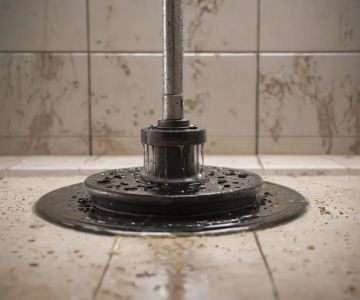
 Affordable Mechanical Contractors, LLC5.0 (5 reviews)
 Black Diamond Plumbing and Drain Service5.0 (42 reviews)
 Starcher Drain Services4.0 (6 reviews)
 America's Drain Cleaning5.0 (66 reviews)
 Pat's Sewer Cleaning4.0 (70 reviews)
 Roto-Rooter Plumbing & Water Cleanup4.0 (595 reviews)
 How to Choose a Reliable Plumbing Service in Your Area
 How to Install a Washing Machine: A Complete DIY Guide
 How to Replace a Broken Plumbing Pipe Without Taking Down the Walls
 How to Fix a Broken Pipe in Your Plumbing System
 How to Install a New Sink Faucet: A Complete DIY Guide
 How to Handle Plumbing Leaks While on Vacation: Home Protection Guide