
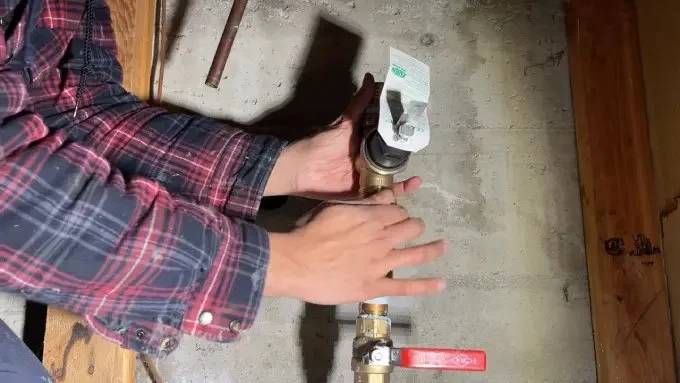
- Why Install a Water Pressure Regulator?
- Tools and Materials You Need
- Step-by-Step Guide to Installing a Water Pressure Regulator
- Common Issues During Installation
- Final Recommendations for a Successful Installation
Why Install a Water Pressure Regulator?
If you’ve noticed that the water pressure in your home is too high or too low, a water pressure regulator might be the solution you need. Installing a water pressure regulator helps protect your pipes, appliances, and fixtures from damage caused by fluctuating water pressure. Without this essential component, your plumbing system could be at risk of leaks, burst pipes, and costly repairs. In this DIY plumbing project, we’ll walk you through the benefits of having a water pressure regulator and how to install it yourself.
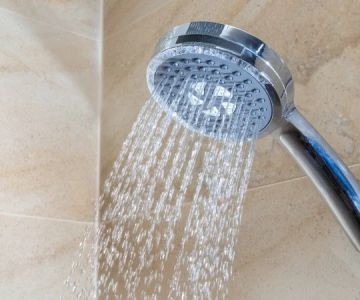
Many homeowners experience water pressure issues, whether it’s excessively high pressure that damages fixtures or low pressure that affects the functionality of showerheads, faucets, or appliances. By regulating the pressure, you can ensure a safer, more efficient plumbing system, saving you money on repairs and improving overall water usage. A regulator ensures your system operates at the ideal pressure level, typically between 40 and 60 psi (pounds per square inch).
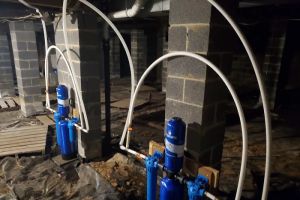
Tools and Materials You Need
Before starting your DIY plumbing project, make sure you have the necessary tools and materials. Here’s what you’ll need:
- Pipe wrench or adjustable pliers
- Pipe cutter (if required)
- Thread sealant or Teflon tape
- Water pressure regulator
- Pipe fittings (depending on your plumbing setup)
- Measuring tape
- Safety glasses and gloves
These items can be found at your local hardware store, or you can shop online for high-quality plumbing tools and parts at Plumbers Supply Hub. Ensure that the water pressure regulator you choose is compatible with your home's plumbing system. You can find various models, so take care to choose one that suits your needs.
Ravinia Plumbing, Sewer, Heating & Electric
LincolnshireLake CountyIllinois
575 Bond St suite a, Lincolnshire, IL 60069, USA
Step-by-Step Guide to Installing a Water Pressure Regulator
Now that you have your tools and materials ready, follow these simple steps to install your water pressure regulator:
1. Turn Off the Water Supply
The first step in any plumbing project is to ensure your water supply is turned off. Locate the main water shut-off valve, usually found near your water meter or at the entrance to your home, and turn it off to prevent water from flowing during the installation process.
2. Locate the Area for Installation
Find the section of the plumbing line where the water pressure regulator will be installed. Typically, this will be near the main water supply line or just before it enters your home. It’s important to install the regulator after the main shut-off valve, so it can control the water pressure before it reaches your plumbing system.
3. Cut the Pipe (if necessary)
If the section of pipe where you plan to install the regulator is too long, you may need to use a pipe cutter to cut it to the appropriate size. Make sure to measure carefully before cutting to avoid wasting materials. If you’re unsure about cutting the pipe, it’s a good idea to hire a professional plumber.
4. Apply Thread Sealant or Teflon Tape
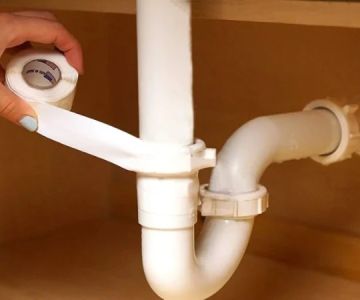
Before installing the water pressure regulator, apply thread sealant or Teflon tape to the threads of the pipe and the regulator. This step helps prevent leaks once the regulator is installed. Be sure to wrap the tape around the threads several times for a secure seal.
5. Attach the Water Pressure Regulator
Carefully screw the water pressure regulator into place. Use your pipe wrench or adjustable pliers to tighten the connections, but be cautious not to overtighten, as this could damage the threads. Make sure the regulator is oriented correctly to ensure proper water flow.
6. Turn On the Water and Check for Leaks
Once the regulator is installed, turn on the main water supply valve. Check all connections for leaks. If you find any, tighten the connections further. If the leaks persist, you may need to disassemble the regulator and reapply thread sealant or Teflon tape.
Common Issues During Installation
While installing a water pressure regulator is a relatively simple DIY project, there are a few common issues that can arise:
- Incorrect regulator sizing: Ensure that the regulator you choose is suitable for your home’s water pressure requirements. A regulator that’s too small or too large can cause problems.
- Leakage at the connections: If the connections aren’t sealed properly, water may leak from the regulator. Make sure to apply thread sealant or Teflon tape to ensure a tight fit.
- Difficulty with the pipe material: Some pipes, such as copper, may be more difficult to work with, requiring special fittings or tools.
If you encounter any of these issues, don’t hesitate to consult a professional plumber for assistance.
Final Recommendations for a Successful Installation
Installing a water pressure regulator can be a rewarding DIY project that improves the efficiency of your plumbing system. However, if you’re not comfortable with plumbing work, it’s always a good idea to consult with a professional plumber. Improper installation could lead to more significant issues down the line.
When choosing a water pressure regulator, make sure to consider your home’s specific needs. If you're unsure which model to purchase, check with a professional or visit Plumbers Supply Hub for recommendations and products that best suit your requirements.
By following these simple steps, you can install a water pressure regulator and ensure your home’s plumbing system operates at optimal pressure, protecting your pipes and fixtures for years to come.
 Roney Plumbing Inc4.0 (94 reviews)
 Stephens Plumbing & Heating, Inc.4.0 (141 reviews)
 Transou's Plumbing & Septic | Emergency Plumber Clemmons, NC | Tankless Water Heater Repair | Septic Tank | Rooter Service4.0 (45 reviews)
 R&R PLUMBING -N- MINUTES4.0 (86 reviews)
 United Plumbing Services Inc5.0 (6 reviews)
 Personal Plumbing, Heating & Air Conditioning5.0 (114 reviews)
 What Causes Discolored Water and When to Worry: Causes, Effects, and Solutions
 The Ultimate Guide to Choosing the Right Plumbing Fixtures for Your Home
 How to Install a Water Meter for Irrigation
 When to Call a Professional for Sewer Line Issues
 How to Choose a Tankless Water Heater for a Family Home
 Why Your Water Softener Isn’t Working and How to Fix It