
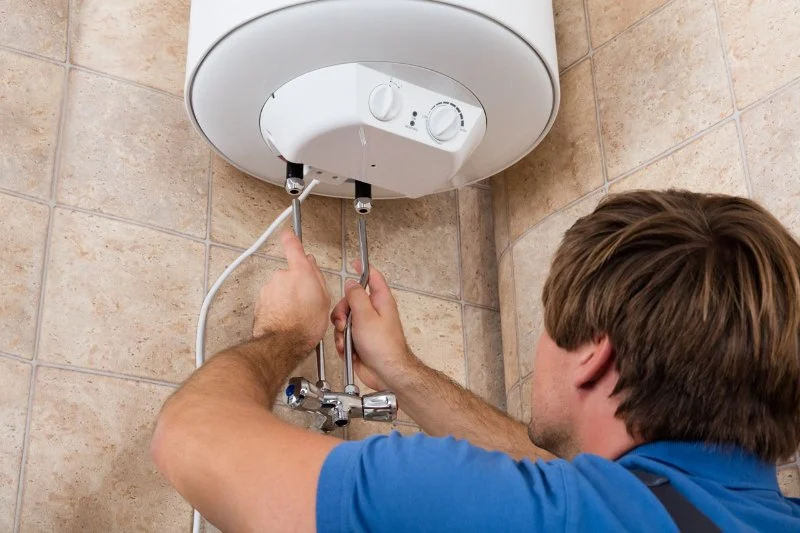
- Understanding How Water Heaters Work
- Different Types of Water Heaters for Modern Homes
- How to Determine the Right Water Heater Size
- Gas vs Electric Water Heaters
- Energy Efficiency and Long-Term Savings
- Installation Costs and Hidden Expenses
- Common Water Heater Problems Homeowners Face
- Smart Features and Modern Technology
- Real Homeowner Stories and Lessons
- Making the Best Choice for Your Home
Understanding How Water Heaters Work
Choosing the right water heater is one of those home decisions that most people ignore until the hot water suddenly disappears during a morning shower. Then it becomes urgent. Homeowners quickly realize how important a reliable hot water system really is when dishes pile up, laundry stops, and cold showers become unavoidable.
Learning how to choose the right water heater for your home is about more than simply replacing an old unit. The right choice affects:
- Monthly utility bills
- Daily comfort
- Home resale value
- Energy efficiency
- Long-term maintenance costs
Water heaters work by heating and storing water or by heating water instantly when needed. While the concept sounds simple, modern systems vary dramatically in efficiency, performance, installation requirements, and long-term operating costs.
Many homeowners rush into buying the cheapest option after a breakdown, only to regret it later. A poor-sized system can leave families without enough hot water, while an oversized system may waste energy for years.
That is why understanding your household’s actual needs matters before making a purchase.
Why Water Heater Choices Matter More Today
In recent years, utility costs across the United States have increased significantly. At the same time, homeowners have become more focused on energy-efficient upgrades that reduce long-term expenses.
Water heating accounts for a surprisingly large portion of household energy use. According to energy experts, it can represent roughly 15% to 20% of monthly utility bills in many homes.
That makes your water heater one of the most important appliances in your house.
Different Types of Water Heaters for Modern Homes
One of the first steps in learning how to choose the right water heater for your home is understanding the major categories available today.
1. Traditional Tank Water Heaters
Traditional storage tank water heaters remain the most common option in American homes.
These systems store heated water in a large insulated tank, typically ranging from 30 to 80 gallons.
Advantages of Tank Water Heaters
- Lower upfront installation costs
- Simpler maintenance
- Reliable for families with predictable usage
- Widely available replacement parts
Disadvantages of Tank Water Heaters
- Higher standby energy loss
- Limited hot water supply during heavy use
- Larger physical footprint
- Shorter lifespan compared to some alternatives
Many homeowners still prefer tank systems because they are familiar, dependable, and affordable.
2. Tankless Water Heaters
Tankless systems, often called on-demand water heaters, heat water only when needed instead of storing it.
These units have become increasingly popular among homeowners looking for energy savings and endless hot water.
Advantages of Tankless Systems
- Continuous hot water supply
- Improved energy efficiency
- Compact wall-mounted design
- Longer operational lifespan
Disadvantages of Tankless Systems
- Higher upfront installation costs
- Possible electrical or gas line upgrades
- Limited flow rates for large households
- More complex installation requirements
A family in Texas recently shared online that switching to a tankless system solved years of frustration over teenagers using all the hot water before everyone finished showering.
However, another homeowner discovered their older electrical panel needed expensive upgrades before a tankless unit could even be installed. These experiences highlight why research matters.
3. Heat Pump Water Heaters
Heat pump water heaters use electricity to move heat rather than generate it directly. They are extremely energy efficient but work best in warmer climates or utility rooms with adequate airflow.
Why Some Homeowners Love Them
- Very low operating costs
- Excellent energy efficiency
- Potential rebates and incentives
- Environmentally friendly performance
The downside is a higher purchase price and slower heating recovery times.
4. Solar Water Heaters
Solar water heaters use roof-mounted solar collectors to heat water. These systems are less common but growing in popularity among environmentally conscious homeowners.
While upfront costs can be substantial, long-term savings may be impressive in sunny regions.
How to Determine the Right Water Heater Size
One of the biggest mistakes homeowners make is buying the wrong size water heater.
Bigger is not always better. A unit that is too small creates frustration, while an oversized system wastes energy every day.
Understanding Household Demand
Your household size and daily habits determine your ideal water heater capacity.
Questions to Consider
- How many people live in the home?
- How many bathrooms are used regularly?
- Do multiple showers happen simultaneously?
- How often is laundry running?
- Do you use large soaking tubs?
Typical Tank Size Recommendations
- 1–2 people: 30–40 gallons
- 2–3 people: 40–50 gallons
- 3–4 people: 50–60 gallons
- 5 or more people: 70–80 gallons
These are general estimates, but lifestyle matters just as much as household size.
Tankless Sizing Works Differently
Tankless systems are measured by flow rate rather than storage capacity.
For example:
- Shower: 2 gallons per minute
- Dishwasher: 1.5 gallons per minute
- Washing machine: 2 gallons per minute
If several appliances run simultaneously, your tankless system must handle that demand.
At Plumbers Supply Hub, many homeowners compare sizing guides and efficiency ratings before selecting a model that matches their real household usage patterns.
Gas vs Electric Water Heaters
Another major decision involves fuel type.
Gas Water Heaters
Gas systems are often preferred for larger households because they heat water faster.
Benefits of Gas Units
- Faster recovery rates
- Lower operating costs in some areas
- Works during some power outages
Potential Downsides
- Higher installation complexity
- Ventilation requirements
- Possible gas leak concerns
Electric Water Heaters
Electric systems are simpler and often cheaper to install initially.
Advantages of Electric Models
- Easier installation
- Lower upfront costs
- No gas venting needed
- Quiet operation
Disadvantages
- Potentially higher utility costs
- Slower heating recovery
- No hot water during outages
The best choice often depends on local utility pricing and your existing home setup.
Energy Efficiency and Long-Term Savings
Energy efficiency has become a major factor for modern homeowners.
Understanding Energy Factor Ratings
Most water heaters include efficiency ratings that estimate energy performance.
Higher efficiency systems may cost more upfront but often save money over time.
How Efficient Models Reduce Costs
Efficient water heaters help reduce:
- Monthly utility bills
- Standby heat loss
- Environmental impact
- Long-term operating expenses
The Real Financial Picture
A cheap water heater is not always the cheapest option long-term.
Consider two examples:
- A budget unit with low efficiency and frequent repairs
- A higher-end efficient model with lower monthly costs
Over 10 years, the efficient model may save thousands in utility expenses.
Government Incentives and Rebates
Many states and utility companies offer rebates for energy-efficient water heaters.
Homeowners sometimes overlook these incentives, missing opportunities to offset installation costs.
Checking local rebate programs before purchasing can significantly reduce overall expenses.
Installation Costs and Hidden Expenses
Many homeowners focus only on the price tag of the water heater itself. Installation costs can dramatically change the final budget.
Factors That Affect Installation Pricing
- Existing plumbing compatibility
- Electrical upgrades
- Gas line modifications
- Ventilation requirements
- Permit fees
- Drain pan installation
Tankless Systems Often Require More Upgrades
A common surprise occurs when homeowners switch from tank to tankless systems.
The new unit may require:
- Larger gas lines
- Electrical panel upgrades
- Special venting materials
- Additional plumbing work
These costs can significantly increase installation expenses.
Why Professional Installation Matters
Improper installation can create:
- Leaks
- Carbon monoxide risks
- Pressure problems
- Reduced efficiency
- Shortened lifespan
Professional plumbers help ensure proper sizing, ventilation, and code compliance.
At Plumbers Supply Hub, many homeowners compare product specifications, installation accessories, and plumbing recommendations before committing to a system upgrade.
Common Water Heater Problems Homeowners Face
Understanding common issues helps homeowners choose better systems and avoid future headaches.
1. Running Out of Hot Water
This usually happens because:
- The tank is undersized
- Heating elements are failing
- Sediment buildup reduces efficiency
2. Rusty Water
Corrosion inside the tank or failing anode rods often cause discolored water.
3. Strange Noises
Popping or rumbling sounds frequently indicate sediment buildup at the bottom of the tank.
4. Leaks Around the Unit
Leaks may stem from:
- Loose fittings
- Internal tank damage
- Pressure valve issues
- Condensation problems
5. Inconsistent Water Temperature
This can happen due to:
- Faulty thermostats
- Mineral buildup
- Heating element failure
- Incorrect system sizing
Preventive maintenance dramatically extends water heater lifespan.
Smart Features and Modern Technology
Modern water heaters now include technology features that would have seemed futuristic just a decade ago.
Wi-Fi Monitoring
Some systems allow homeowners to monitor water usage and temperatures from smartphone apps.
Leak Detection Alerts
Advanced units can detect leaks early and send notifications before major damage occurs.
Vacation Modes
Smart vacation settings reduce energy use when homeowners travel.
Energy Tracking
Some systems provide detailed energy reports that help homeowners understand consumption patterns.
While not every family needs these features, they are becoming increasingly common in premium models.
Real Homeowner Stories and Lessons
Real-world experiences often teach valuable lessons about water heater decisions.
The Family That Bought Too Small
A family of five replaced their aging water heater with a smaller “budget-friendly” model during a home renovation.
Within weeks, morning showers became a daily battle. The cheaper system could not keep up with demand.
Eventually, they upgraded again, spending more money than if they had chosen properly the first time.
The Couple That Switched to Tankless
An Arizona couple installed a tankless system after noticing rising utility bills.
Their monthly energy usage dropped noticeably, and they loved the endless hot water during visits from family members.
However, they admitted the initial installation costs were higher than expected because of gas line modifications.
The Hidden Cost of Neglect
One homeowner ignored minor leaking around an older water heater for months.
Eventually, the tank failed completely and flooded part of the garage, causing expensive flooring and drywall repairs.
Routine inspection and maintenance could have prevented the situation.
Making the Best Choice for Your Home
Learning how to choose the right water heater for your home ultimately comes down to balancing comfort, efficiency, budget, and long-term value.
Think Beyond the Purchase Price
The cheapest unit is not always the smartest investment. Consider:
- Energy efficiency
- Household demand
- Installation requirements
- Maintenance expectations
- Future utility savings
Ask Practical Questions Before Buying
- How long do you plan to stay in the home?
- Do utility savings matter more than upfront costs?
- Does your home support gas or electric systems better?
- How important is unlimited hot water?
- Do you have enough installation space?
Plan for the Future
Many homeowners regret making rushed emergency purchases after an old unit fails unexpectedly.
Planning ahead gives you time to compare models, understand installation needs, and evaluate energy savings properly.
Whether you choose a traditional tank, tankless system, or high-efficiency heat pump model, the best water heater is the one that matches your household’s real-world needs.
For homeowners researching reliable options, comparing efficiency ratings, or exploring plumbing upgrades, Plumbers Supply Hub is often a useful resource for finding systems, accessories, and professional-grade recommendations that simplify the decision-making process.

 Flo-rite plumbing and drain services4.0 (20 reviews)
 Prairie State Plumbing & Heating, Inc.4.0 (7 reviews)
 Allers Sewer Service5.0 (20 reviews)
 Jack McCain Plumbing & Heating, Inc.4.0 (34 reviews)
 Maplewood Plumbing & Sewer, LLC.4.0 (1662 reviews)
 ProFix Drains & Hydro Jet5.0 (21 reviews)
 Plumbing Tips for Improving Your Home’s Water Quality
 How to Locate Hidden Water Leaks in Walls or Ceilings | Expert Tips
 How to Replace a Toilet Tank Gasket | Plumbers Supply Hub
 How to Replace a Toilet That Wobbles After Installation
 How to Choose the Right Sealant for Pipe Joints
 How to Clean Out a Septic Tank Safely and Effectively