
- 1 - Understanding Plumbing Systems
- 2 - Regular Inspections and Preventive Care
- 3 - Drain Cleaning and Pipe Maintenance
- 4 - Water Efficiency and Pressure Management
- 5 - Case Studies and Real-World Examples
- 6 - Recommended Tools and Products
1. Understanding Plumbing Systems
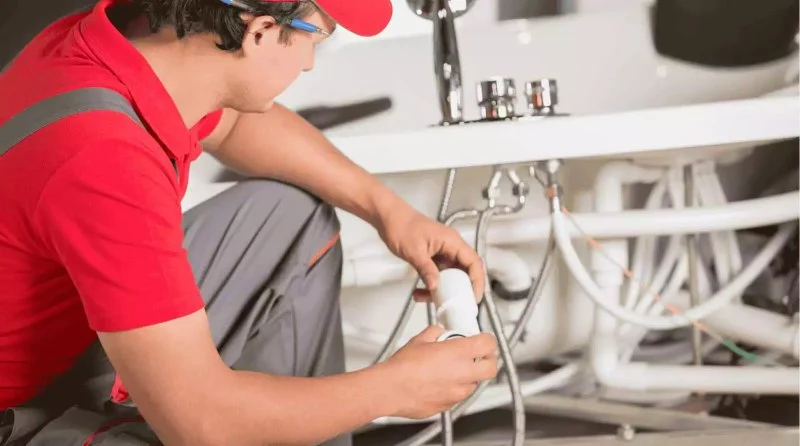
To maintain a reliable plumbing system, homeowners must first understand how their water supply, drainage, and fixture connections operate. Recognizing the types of pipes—PVC, copper, or PEX—and knowing their locations helps identify potential weak points that may develop leaks over time. Additionally, understanding the flow of water throughout the home can prevent inadvertent stress on valves and fittings.
2. Regular Inspections and Preventive Care
2.1 Visual Pipe Checks
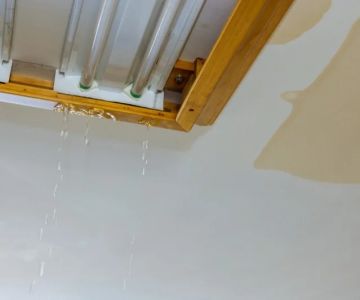
Monthly inspections of visible plumbing components, such as faucets, joints, and hose connections, can catch minor leaks early. Observing discoloration, moisture spots, or corrosion signs prevents expensive repairs later.
2.2 Seasonal Maintenance
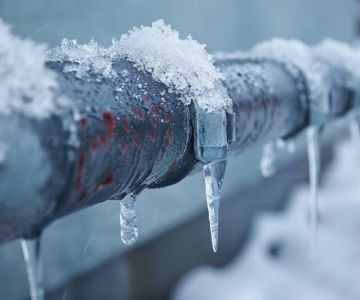
During winter, drain and insulate exposed pipes to prevent freezing. In warmer months, ensure irrigation systems and outdoor plumbing remain free of debris and buildup. Regular preventive maintenance extends the lifespan of all plumbing components.
3. Drain Cleaning and Pipe Maintenance
3.1 Clearing Blockages
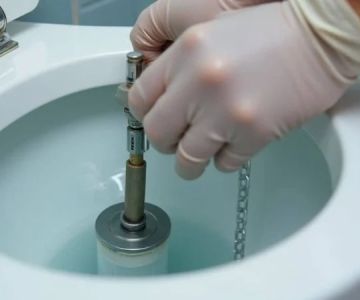
Routine cleaning of sinks, tubs, and outdoor drains ensures smooth water flow. Using safe, eco-friendly methods or mechanical tools can prevent clogs and reduce chemical damage to pipes.
3.2 Pipe Care
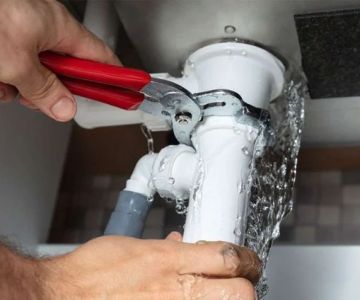
Maintaining pipes includes checking for corrosion, replacing worn seals, and tightening loose fittings. Periodic flushing of water lines removes sediment that may obstruct flow and cause long-term damage.
4. Water Efficiency and Pressure Management
4.1 Optimal Water Pressure
Maintaining appropriate water pressure prevents stress on pipes and fittings. Installing pressure regulators ensures balanced flow throughout the system and reduces the risk of leaks or bursts.
4.2 Water Conservation
Implementing water-saving devices, such as low-flow faucets and efficient irrigation systems, not only conserves resources but also reduces wear on plumbing infrastructure over time.
5. Case Studies and Real-World Examples
In Austin, a homeowner experienced frequent leaks in their kitchen and backyard irrigation. By conducting systematic inspections, replacing outdated PVC pipes with PEX, and installing a water pressure regulator, the plumbing system remained problem-free for over five years. This example emphasizes the value of consistent maintenance and investing in quality materials.
6. Recommended Tools and Products
For homeowners seeking reliable solutions and high-quality products to ensure long-term plumbing performance, visit Plumbers Supply Hub. Our platform provides professional-grade plumbing tools, pipe materials, and maintenance guides to keep your water systems efficient and leak-free. Explore our recommendations to safeguard your home’s plumbing today.
 Plumbing Masters4.0 (492 reviews)
 Rothrock Plumbing Service, LLC4.0 (34 reviews)
 Night Owl Plumbing & Rooter5.0 (118 reviews)
 Winder Plumbing Company, Inc.4.0 (25 reviews)
 Jcs Plumbing Solutions LLC5.0 (2 reviews)
 Rescue Plumbing4.0 (43 reviews)
 How to Handle a Plumbing Leak: A Homeowner’s Emergency Guide
 How to Clear Stubborn Hair Clogs from Bathroom Drains – Effective Solutions
 How to Replace Your Showerhead and Improve Water Flow
 How to Handle a Burst Pipe: Immediate Actions You Should Take
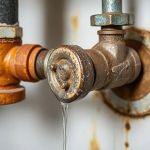 Plumbing Advice: How to Avoid Water Pressure Problems in Your Home
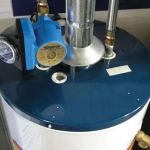 How to Install a Recirculating Pump for Instant Hot Water – A Step-by-Step Guide