
- sink-clog-causes-breakdown - Understanding what really causes repeated blockages
- daily-habits-that-protect-drains - Simple routines that prevent buildup over time
- cleaning-methods-that-work - Safe and effective ways to maintain smooth drainage
- common-mistakes-homeowners-make - What unintentionally leads to recurring clogs
- real-life-plumbing-scenarios - Practical examples from everyday homes
Why Sink Clogs Keep Coming Back in Many Homes
A clogged sink is one of the most frustrating household problems. It always seems to happen at the worst possible time—right before guests arrive or when you’re rushing to clean up after dinner. But what many homeowners don’t realize is that recurring clogs are rarely random. They are usually the result of buildup that happens gradually over time.
Understanding how to prevent your sink from clogging again requires more than just reacting when a blockage occurs. It requires recognizing patterns in daily use and adjusting habits that slowly lead to obstruction inside the pipes.
Rene's Plumbing Repair
La VerneLos Angeles CountyCalifornia
3620 Williams Ave, La Verne, CA 91750, USA
What Actually Causes Sink Blockages Over Time
Grease, Soap, and Food Residue Accumulation
In kitchen sinks, grease is one of the biggest culprits. When hot oil or fat goes down the drain, it may appear harmless at first. However, as it cools, it solidifies and sticks to pipe walls. Over time, this layer traps food particles and debris, forming a stubborn blockage.
Soap scum also contributes to buildup, especially in homes that use bar soap or hard water. The combination of minerals and soap creates a sticky residue that narrows drainage flow.
A homeowner in Illinois shared how their sink would clog every few months until they discovered that pouring cooking oil directly into the drain after frying meals was the root cause. Once they changed this habit, the issue stopped completely.

Hair and Hygiene Products in Bathroom Drains
Bathroom sinks often clog due to hair, toothpaste, and cosmetic products. Hair strands bind together inside pipes and create a net that catches other debris. Over time, water flow slows dramatically.
Thick lotions, shaving cream, and toothpaste residue also contribute to buildup, especially in smaller diameter pipes commonly found in bathroom sinks.
Daily Habits That Help Prevent Future Clogs
Small Changes That Make a Big Difference
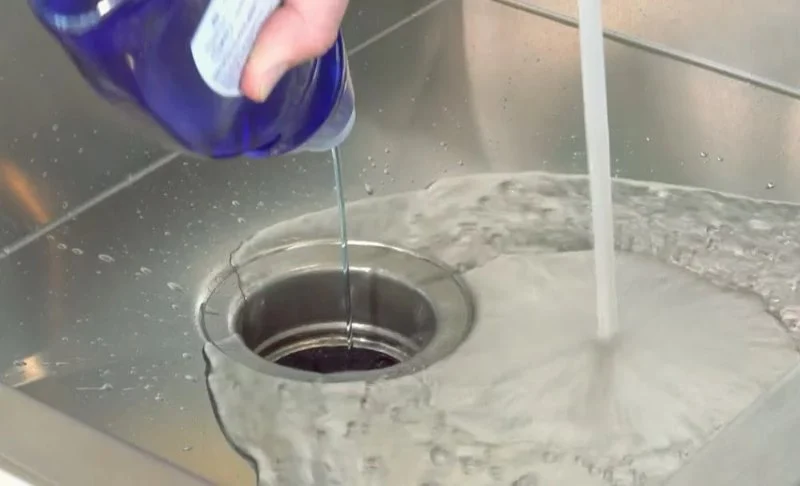
Preventing sink blockages is often about consistency rather than major repairs. One of the simplest habits is running hot water for a few seconds after each use. This helps move residue further down the pipe before it hardens.
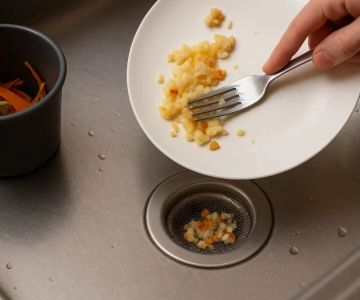
Another effective habit is scraping food waste into the trash before rinsing dishes. Even small particles can accumulate over time and create a blockage.
Many homeowners who adopt these habits notice fewer plumbing issues within weeks.
Using Strainers and Simple Physical Barriers
Sink strainers are one of the most underrated tools for preventing clogs. They catch food scraps, hair, and debris before they enter the drain system.
A family in California reported that installing a simple mesh strainer reduced their kitchen drain cleaning frequency from once a month to almost never needing intervention.
These inexpensive tools can significantly extend the life of your plumbing system.
Safe Cleaning Methods That Keep Drains Flowing
Hot Water and Natural Cleaning Solutions
Boiling water is one of the safest ways to maintain clear drains. It helps dissolve grease buildup without damaging pipes. When used regularly, it prevents residue from solidifying.
A mixture of baking soda and vinegar is another common method. When combined, they create a reaction that helps break down mild buildup inside pipes.
While these methods are effective for maintenance, they are not a solution for severe clogs.
When Mechanical Cleaning Becomes Necessary
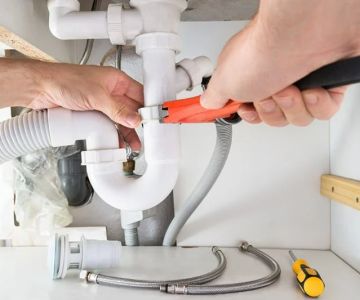
For deeper blockages, a drain snake or plumber’s auger may be required. These tools physically remove trapped debris and restore full water flow.
In one real case from New York, a homeowner experienced repeated sink backups despite using chemical cleaners. A professional inspection revealed a deep blockage caused by years of grease accumulation, which was only resolved with mechanical cleaning.
Common Mistakes That Lead to Repeated Sink Problems
Relying Too Heavily on Chemical Drain Cleaners
Many people turn to chemical drain cleaners as a quick fix. While they may temporarily clear blockages, they can also damage pipes over time, especially older plumbing systems.
Repeated use can weaken pipe materials and lead to more expensive repairs in the future.
Ignoring Early Warning Signs
Slow drainage, gurgling sounds, and unpleasant odors are early indicators of a developing clog. Addressing these signs early can prevent full blockages.
Unfortunately, many homeowners ignore them until water stops draining completely.
Real-Life Example: A Preventable Kitchen Disaster
A homeowner in Texas shared how their kitchen sink suddenly overflowed during a family gathering. The cause was a buildup of grease and rice particles that had been slowly accumulating for months.
After the incident, they changed their kitchen habits, installed a sink strainer, and began routine hot water flushing. Since then, they have not experienced another major blockage.
Stories like this highlight how small habits can prevent major plumbing disruptions.
Long-Term Maintenance Strategies for a Healthy Plumbing System
Routine Cleaning Schedule for Homeowners
Establishing a weekly or bi-weekly cleaning routine helps prevent buildup. This includes flushing drains with hot water and checking strainers for trapped debris.
Consistency is more important than intensity when it comes to drain maintenance.
Knowing When to Seek Professional Help
If clogs continue despite regular maintenance, there may be a deeper issue within the plumbing system. Tree roots, pipe misalignment, or aging infrastructure can all contribute to recurring blockages.
Professional inspection tools like drain cameras can identify problems that are not visible from the surface.
Building Better Plumbing Habits for the Future
Preventing sink clogs is ultimately about awareness and daily habits. Small adjustments in how food waste, grease, and hygiene products are handled can dramatically reduce plumbing issues.
Homeowners who take a proactive approach save time, money, and frustration in the long run. For those looking for reliable tools and plumbing maintenance resources, Plumbers Supply Hub offers guidance and products designed to support long-term drain health.




 Spearhead Sewer and Drain5.0 (104 reviews)
 Green Hills Plumbing4.0 (31 reviews)
 Done-Rite Plumbing And Rooter - Anaheim5.0 (81 reviews)
 McClintock Plumbing5.0 (1 reviews)
 Dixie Plumbing & Heating Co Inc4.0 (19 reviews)
 1-Tom-Plumber5.0 (48 reviews)
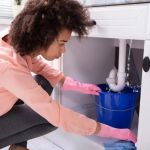 Plumbing 101: A Beginner’s Guide to Home Plumbing Repairs
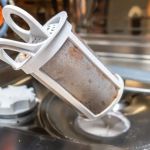 How to Fix a Clogged Dishwasher Drain in Your Kitchen
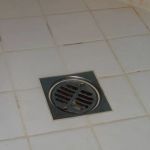 Why Water Bubbles Up Through the Floor Drain: Causes and Solutions
 How to Protect Pipes from Freezing in Cold Climates
 How to Replace a Plumbing Vent Cap on the Roof | Plumbers Supply Hub
 How to Clean Out a Septic Tank Filter Safely: Step-by-Step Guide